World-food-night home cooks
If the dish depends on your own spices or sauce, plain fish gives you room to build those flavours. If you want a prepared flavour instead, check that a marinated or coated product fits the rest of your menu.


Choose plain frozen fish or prawns when you want to add your own seasoning and sauce; choose a marinated or coated product when its prepared flavour fits the meal and you want less preparation. Before stocking several packs, check the usable quantity, ingredients, cooking and storage instructions on each one—different frozen-fish formats are not interchangeable.
If the dish depends on your own spices or sauce, plain fish gives you room to build those flavours. If you want a prepared flavour instead, check that a marinated or coated product fits the rest of your menu.
When buying for several meals, compare pack weights and portions, then check storage and defrosting instructions. Two packs need not provide the same amount of fish or suit the same number of meals.
Plain, battered, breaded and marinated fish can have different ingredient and allergen declarations. Check the exact packs you plan to serve, particularly if the meal includes fish and shellfish.
Start with the dish you intend to cook, then compare preparation, ingredients and pack handling before deciding how many packs to keep.
| Priority | What to check | Your needs |
|---|---|---|
| Fit with the dish | Choose between plain fish or prawns for your own seasoning and a product with an existing marinade, coating or sauce. Check the species and preparation state against the recipe. | I want to make my own curry, stir-fry or sauce—or use a prepared flavour that belongs in the meal. |
| Preparation | Read the exact pack for thawing requirements and cooking method. Do not assume that every fillet, whole fish or seafood product can be cooked from frozen. | On a busy evening, I need to know whether I can cook this pack straight from the freezer or must plan time to defrost it. |
| Ingredients and allergens | Check the ingredient declaration and highlighted allergens on each product. Coatings and marinades can add ingredients beyond the fish; distinguish fish from crustaceans and molluscs. | Guests need to know what is in the dish, especially when it includes a coating, sauce or shellfish. |
| Freezer planning | Compare pack weight, portions and usable format with your planned meals. Follow the labelled storage temperature and instructions about defrosting or refreezing; the Food Standards Agency advises keeping a freezer around −18°C. | I would rather choose packs I can use across planned meals than thaw more fish than the occasion calls for. |
Two packs can contain different weights, portions and fish formats, so the pack count may not match the number of meals you have planned.
Compare the weight, species and portion format of the exact products before making room for them in the freezer.
A Birds Eye battered-fish product lists wheat, milk and mustard as well as fish. That declaration does not describe every product in the range.
Read the ingredients and highlighted allergens on each battered, breaded, marinated or sauce-containing pack you intend to serve.
Frozen products can differ in whether they require defrosting and whether refreezing after defrosting is permitted. The Food Standards Agency advises following the label; a Birds Eye battered-fish product specifically says not to refreeze after defrosting.
Check storage, defrosting and cooking directions on each pack before planning when to prepare it.
These ranges illustrate formats to compare; check an individual product before treating a range description as its ingredient or cooking instruction.
Birds Eye lists fish fingers, coated fish and Captain’s Discoveries products inspired by world cuisines.
Young’s lists natural fish and prawns alongside marinated, breaded, battered and prepared fish products.
Tesco’s frozen fish and seafood category includes plain fillets, coated fish, fish fingers, cakes, scampi and prawns.
Sainsbury’s frozen category lists fish fillets and salmon alongside battered fish, prawns and scampi.
M&S lists frozen fillets, breaded fish, seafood, fish pies and internationally oriented dishes.
These options cover seasoned fish, plain fish in fillet, sliced or whole formats, and raw prawns. Choose the format that fits your recipe and its preparation instructions.
 No image available
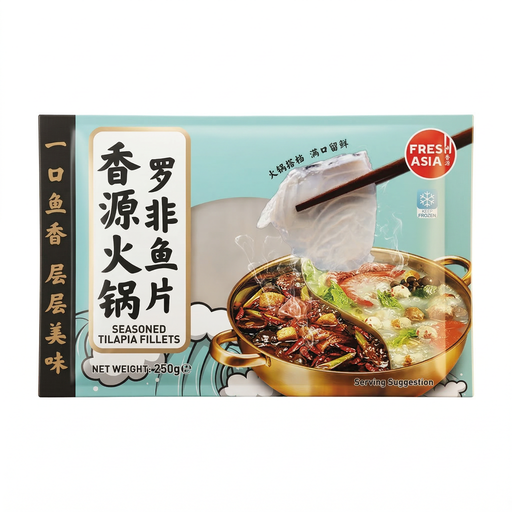
For a meal where the fish already has seasoning, consider this 250g tilapia pack. It contains fish and soybeans; check its allergen declaration and follow the pack’s instructions after thawing.
 No image available
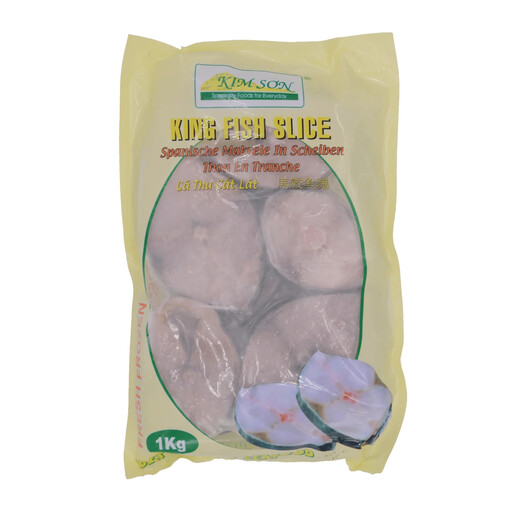
The sliced format can be used for a fish dish with your own seasoning or sauce. This 1kg product is raw and must be thoroughly cooked; small bones may be present. Follow its frozen-storage and thawing instructions.
 No image available
These plain fillets leave the seasoning and sauce to your recipe. The name distinguishes a 1kg total weight from an 800g net weight. Follow the product’s instruction to thaw thoroughly in the refrigerator before use and not to refreeze after thawing.
 No image available
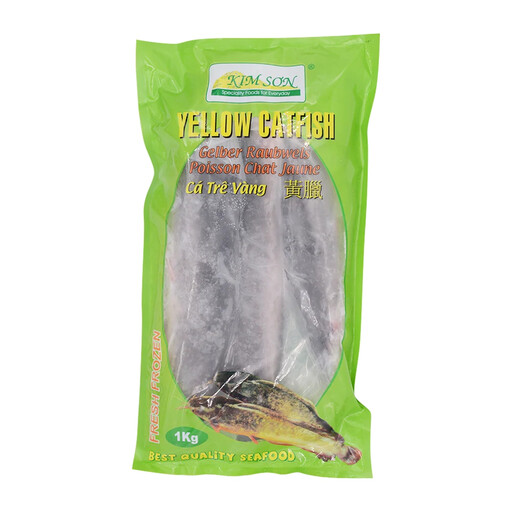
This whole fish suits a dish in which you plan to add your own seasoning. It is raw and requires thorough cooking; small bones may be present, so take care when preparing and serving it. Follow the pack’s thawing instructions.
 No image available
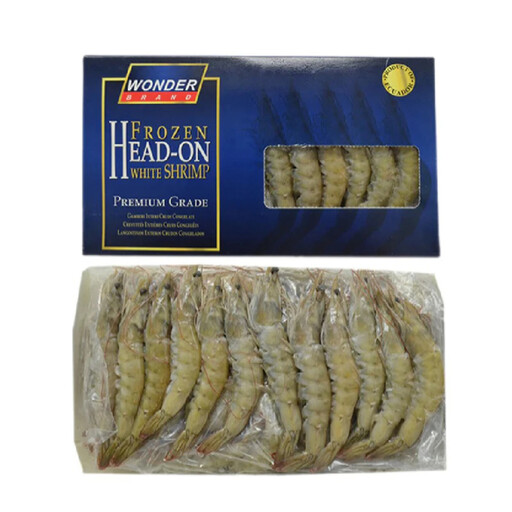
These raw prawns offer a shellfish option for a dish with your own flavours. The head-on, shell-on format calls for preparation and thorough cooking. The product contains crustaceans and sulphites; check the exact allergen declaration for guests.
Choose plain fish or prawns if you want to control the seasoning and sauce yourself. A marinated or coated product can reduce preparation when its existing flavour fits the dish; check its ingredients before planning the rest of the menu.
Follow the instruction on the exact pack. Young’s presents its natural fish fillets as cook-from-frozen, but that does not establish the cooking method for other fish or seafood products.
The Food Standards Agency advises that a freezer should be around −18°C. Check the product label too, as it gives the storage instructions for that particular pack.
Check the individual pack rather than assuming refreezing is permitted. A Birds Eye battered-fish product says not to refreeze after defrosting, and the Food Standards Agency advises following label instructions for freezing and defrosting.
Read the ingredient and highlighted allergen declaration on every exact pack. One Birds Eye battered-fish product lists fish, wheat, milk and mustard; shellfish products require their own checks rather than relying on the declaration for a fish product or another item in the range.