
24/7 Customer Support

Free returns

Same-day & Next-day Delivery

Quality Guaranteed

Unlock Your Welcome Offers: FREE Delivery | Up to 80% OFF | Free 30-day JoyPlus trial
Download the APP
Frozen fried chicken can turn a busy evening into a quick meal, party platter or late-night snack. However, packaging often focuses on crunch, flavour and portion size while leaving out details that affect value, cooking results and suitability for your household.
Before you buy frozen fried chicken, check the chicken percentage, storage instructions, cooking method and allergen information. These details help you avoid paying for excessive coating, choosing a pack that does not suit your freezer or discovering that a product is unsuitable for someone at home.
Some products are fully cooked and only need reheating, while others contain raw or partially cooked chicken and require thorough cooking. The preparation instructions should clearly state whether the food is ready to heat or cooking required.
For example, breaded chicken dippers may be designed for oven baking from frozen, whereas chicken wings, karaage and chicken skewers generally need cooking until piping hot throughout. Never rely only on a golden coating to judge doneness.
A 1kg bag may sound economical, but the total weight includes batter, breadcrumbs, sauce or marinade. Compare the quantitative ingredient declaration, such as 68% chicken breast in selected halal fillets or 82.5% chicken wings in a 530g pack.
Large packs are useful for families, meal preparation and gatherings, but smaller 240g skewers or 350g Korean-style portions can reduce waste for students, couples and occasional snackers.
Pre-sauced Korean fried chicken is convenient, but sauce can add sugar and carbohydrates. Breaded products commonly contain wheat or barley, while soy appears frequently in marinades and dipping sauces. Some Japanese karaage products may also contain fish ingredients, such as bonito powder or fish-based seasoning.
Always read the current package label, particularly if your household needs halal, vegetarian-free, gluten-free or specific allergen options. “Spicy” can also vary considerably, from mild chilli seasoning to a stronger hot-and-sweet glaze.
The chicken percentage offers a useful comparison between products. Whole chicken breast pieces, mini fillets and goujons provide a different bite from formed chicken nuggets. Chicken thigh is often used in Japanese karaage because it has a richer texture, while boneless Korean fried chicken is convenient for rice bowls, wraps and sharing.
Consider the format as well:
Air-fryer chicken is popular in UK households because it avoids heating a large pan of oil. Still, cooking times and temperatures differ by product. Examples in the available range include air-fryer settings from 180°C to 200°C, with cooking times ranging from roughly 8 to 20 minutes.
Do not overcrowd the basket. Arrange pieces in a single layer where possible and turn or shake them as instructed. For oven cooking, leave space between pieces so hot air can circulate and the coating can crisp rather than steam.
Most frozen products should be stored at -18°C or below and should not be refrozen after defrosting. Check whether the item is frozen, chilled or ready to eat: not every chicken product in an Asian frozen food range belongs in the freezer.
Follow the pack instructions and cook chicken thoroughly. The centre should be piping hot, with no raw appearance. Use separate utensils for raw meat and cooked food, and take extra care when deep-frying around children.
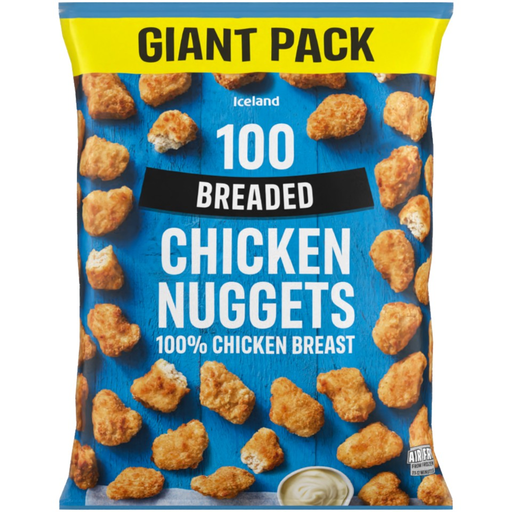
Why This Fits Their Persona: A high-piece-count pack suits families, students and shoppers who want flexible portions for quick meals, lunchboxes or snacks.
The pack states 58% chicken breast and provides specific air-fryer and oven timings, making portion planning and preparation straightforward.
1.4kg quantity; 100 pieces; suitable for oven baking or air frying from frozen.

Why This Fits Their Persona: A suitable choice for shoppers seeking Japanese karaage with chicken leg meat, soy-based seasoning, ginger and garlic notes.
The ingredient list identifies chicken leg at 71%, helping distinguish it from products with a heavier coating or formed meat.
Chicken-leg karaage; rice flour and maize starch coating; suitable for deep-frying or air frying.

Why This Fits Their Persona: Designed for halal households and regular users who want spicy chicken breast fillets for wraps, rice bowls, burgers or sharing plates.
It specifies 68% chicken breast, whole pieces rather than reformed meat and halal certification by The Islamic Council of Thailand.
1kg pack; oven and deep-fryer instructions; 18.2g protein per 100g as listed.
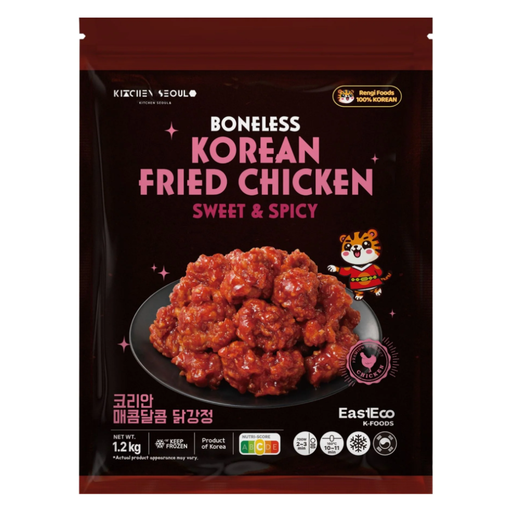
Why This Fits Their Persona: A practical option for fans of Korean fried chicken who want bite-sized boneless pieces with sauce included.
The product states 57.88% chicken and 17.12% sweet-and-spicy sauce, so shoppers can understand what the 1.2kg pack contains.
Made in South Korea; boneless format; pre-sauced and suitable for oven or air-fryer preparation.
We have compiled a complete, real-time list of products that fully satisfy these strict selection criteria and UK safety regulations.
Yes, many frozen fried chicken products are suitable for air frying. Follow the product-specific temperature and timing, usually between 180°C and 200°C. Cook in a single layer, turn halfway where instructed and check that the centre is piping hot before serving.
Keep it continuously frozen at -18°C or below and follow the best-before information on the packaging. Once defrosted, do not refreeze unless the label specifically permits it. For quality, use older packs first and avoid repeated temperature changes.
Halal certification addresses how the product is prepared and handled under halal requirements; it does not automatically mean the product is free from wheat, egg, soy or other allergens. Check both the halal certification details and the full allergen statement before buying.