
24/7 Customer Support

Free returns

Same-day & Next-day Delivery

Quality Guaranteed

Unlock Your Welcome Offers: FREE Delivery | Up to 80% OFF | Free 30-day JoyPlus trial
Download the APP
Frozen fried chicken can solve a busy midweek dinner, fill a party platter or provide a quick snack after work. However, not every product labelled “crispy chicken” offers the same amount of meat, cooking convenience or eating experience. Coatings, sauces and serving suggestions can make a small portion appear more substantial than it is.
Before adding a product to your basket, check the chicken content, cooking instructions, allergens and pack size. The following guide explains the practical differences between frozen chicken bites, wings, karaage and Southern fried options, followed by recommendations for different household needs.
A thick breadcrumb or batter can create a generous-looking portion while contributing relatively little chicken. Compare the quantitative ingredient declaration rather than relying on front-of-pack photography. For example, the products in this category range from 44–49% chicken content in some formed chicken pieces to 74% chicken breast in selected fillet bites.
A higher chicken percentage does not automatically mean a product will suit every recipe, but it can provide a more substantial texture and make the pack easier to portion for a meal.
Most frozen fried chicken is ready to cook, not ready to eat. Some products must be cooked from frozen, while others recommend thawing first. A snack such as crispy chicken skin may be ready to eat, but frozen chicken wings, popcorn chicken, karaage and battered fillets generally require thorough cooking.
Always follow the instructions on the packaging supplied with your order. Do not refreeze food after thawing, and ensure chicken is piping hot throughout before serving.
Wheat, soya, sesame, milk, egg, celery and fish appear across different recipes. Korean fried chicken and Japanese fried chicken commonly use soya sauce, while panko and Southern fried coatings often contain wheat. Some products also include “may contain” statements for additional allergens.
If you are shopping for a household with allergies, read the current packaging before consumption. Online ingredient information may change, so the physical label should take priority.
The cut affects texture and the way the product works in a meal:
Look for a clearly stated percentage. Han Dian Taiwanese Fried Crispy Chicken lists 68% chicken, while the Japanese-style Ajinomoto karaage lists 71% chicken leg. Zulekha Chicken Panko Fillet Bites list 74% chicken breast, making the ingredient balance particularly clear.
Air fryer chicken is convenient for many UK kitchens, but basket capacity matters. Overfilling can reduce airflow and leave the coating uneven. Arrange pieces in a single layer and turn or shake them when instructed.
Typical guidance varies:
Treat cooking times as guidance because appliances differ. Check that the centre is fully cooked before eating.
A 40g bag of crispy chicken skin is designed as a snack or topping, whereas a 500g or 700g pack is more suitable for sharing or several meals. Compare per-100g nutrition and the total pack weight rather than judging value by the number of pieces alone.
For example, the 400g Chopstix Fire Cracker Chicken with Egg Fried Rice is a complete single-serving meal containing chicken, rice and sauce. By contrast, a 1kg pack of fried crispy and spicy chicken wings is designed for sharing, party food or several portions.

Why This Fits Their Persona: A compact pack for students, first-time buyers or smaller households wanting to try Taiwanese fried chicken without committing to a large quantity.
The listed 68% chicken content makes the meat-to-coating balance easier to assess than a product described only as “crispy”.
Taiwanese seasoning, a 220g pack and air-fryer guidance of approximately 12–15 minutes at 200°C.
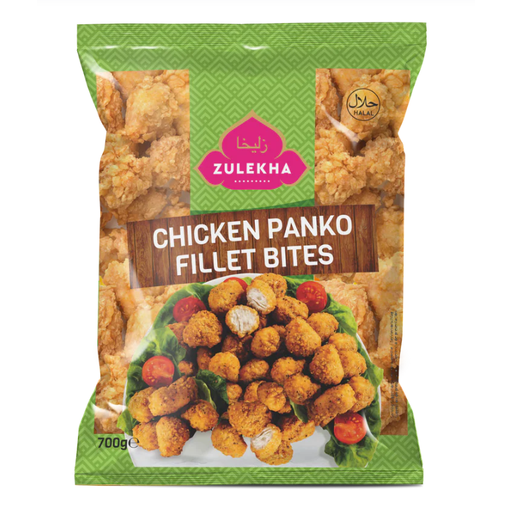
Why This Fits Their Persona: Suitable for shoppers prioritising a clearly stated chicken proportion and a versatile family-sized pack.
The ingredient list states 74% chicken breast, helping buyers distinguish it from heavily coated bite-sized products.
700g pack, panko crumb and 29.1g protein per 100g as listed, with oven or deep-fry preparation.
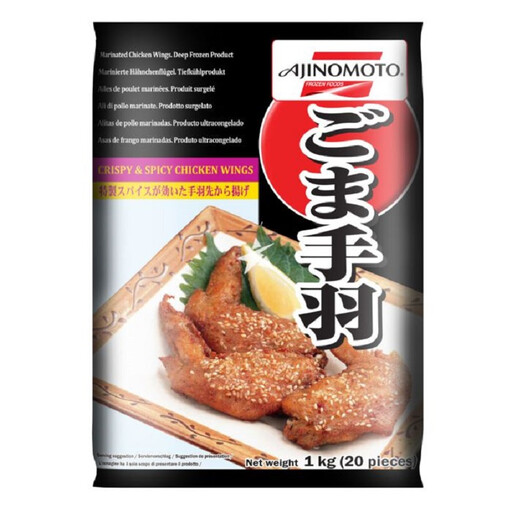
Why This Fits Their Persona: A practical option for households hosting parties, preparing sharing food or cooking several portions at once.
The 1kg quantity makes the intended sharing use clear, while the listed allergens identify wheat, soya and sesame.
Approximately 20 wings per pack, with soya, garlic, ginger and chilli seasoning plus air-fryer guidance.
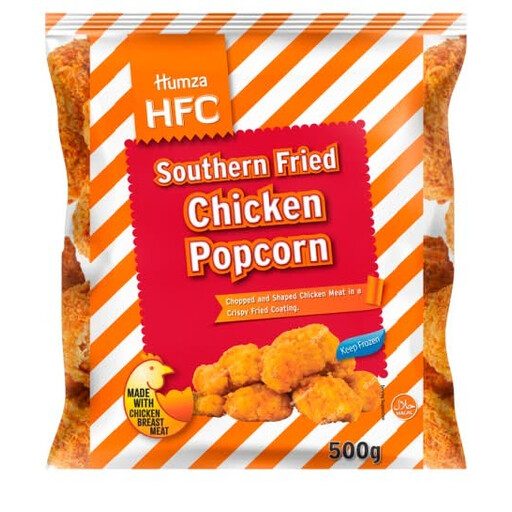
Why This Fits Their Persona: Bite-sized pieces suit children’s meals, lunchboxes, party bowls and quick after-school snacks.
The 55% chicken declaration and defined 500g pack provide a clearer basis for comparing value and portioning.
Designed for oven or air fryer use, with guidance of approximately 10–12 minutes at 200°C in an air fryer.
We have compiled a complete, real-time list of products that fully satisfy these strict selection criteria and UK safety regulations.
Yes, many products include air-fryer instructions, but the temperature and cooking time differ by size and coating. Smaller frozen chicken bites may take around 10–12 minutes, while larger pieces can require longer. Avoid overcrowding the basket and check that the centre is piping hot.
It can be, particularly when paired with rice, noodles, salad or vegetables. Complete meals such as chicken with egg fried rice reduce preparation, while larger packs of fillet bites, popcorn chicken or Southern fried chicken allow you to choose side dishes. Check the salt and allergen information when planning meals for children.
Keep it frozen at -18°C or colder, following the packaging instructions. Do not refreeze once thawed. For opened packs, seal them securely to reduce freezer burn and use them within the stated storage guidance. Always check the best-before information and cook according to the current label.