
24/7 Customer Support

Free returns

Same-day & Next-day Delivery

Quality Guaranteed

Unlock Your Welcome Offers: FREE Delivery | Up to 80% OFF | Free 30-day JoyPlus trial
Download the APP
Frozen glutinous rice balls, also known as Chinese tang yuan, are a convenient way to prepare a traditional dessert at home. Made with a chewy glutinous rice wrapper and a sweet filling, they can be served in ginger syrup, sweet soup or simply with their cooking water.
However, pack images and flavour descriptions do not always tell you what matters most when choosing frozen tangyuan. The filling, allergen information, pack size and cooking instructions can make a noticeable difference to the final dish. This guide explains the practical checks to make before buying, followed by product suggestions for different household needs.
A product labelled as a black sesame rice ball may contain different levels of sesame. For example, some products specify 4%, 6.4%, 9% or 15% sesame in the ingredient information. A higher declared percentage may indicate a more prominent sesame character, but recipes and textures still vary.
The same applies to peanut rice balls. Some contain peanut paste, while others include a separate grated peanut coating. Check whether the peanut element is inside the dumpling, supplied separately or included in both.
Chinese sweet rice balls frequently contain or may contain peanuts, sesame, soya, wheat and other nuts. Some wrappers also include wheat starch or wheat flour, even though glutinous rice flour is the primary ingredient.
Always read the current packaging before serving, particularly when buying for children, guests or anyone with a food allergy. The product listing can help you compare options, but the on-pack allergen declaration remains important.
Pack weights range from 180g and 200g to 300g, 312g and 454g, while individual pieces can differ in size. A 454g pack may suit family sharing or festive occasions, whereas a 180g or 200g pack can be more practical for one or two people.
Some packs state the piece count, such as 15 pieces in a 454g or 300g pack. Others do not, so consider the size of the dumplings and how many servings you need rather than comparing weight alone.
Traditional options include:
For a traditional first purchase, black sesame, peanut or red bean are straightforward choices. If you prefer dessert experimentation, tea and purple sweet potato varieties offer a different colour and flavour profile.
Glutinous rice dumplings are designed to be soft and chewy, but they need careful cooking. Most products should be added directly from frozen to boiling water. Do not thaw unless the packaging specifically instructs you to do so.
Cooking times in the supplied product information range from approximately 3–8 minutes, followed by a short simmer or resting period for some larger pieces. Floating is often used as a visual cooking cue, but follow the product’s own instructions and make sure the centre is thoroughly hot before serving.
Use plenty of water and stir gently after adding the dumplings. This helps prevent sticking to the base of the pan. Avoid vigorous stirring, which can damage the wrapper and release the filling.
Look for clear instructions to store at -18°C or below. Most products state that they should not be refrozen after thawing. Plan delivery and storage so the pack can be placed in the freezer promptly.
These products require cooking and should not be eaten raw. Serve carefully, especially to young children, because the chewy texture can present a choking risk. Nutritional values also vary considerably: the supplied products range from 244 to 385 kcal per 100g, so check the label if portion planning matters to you.
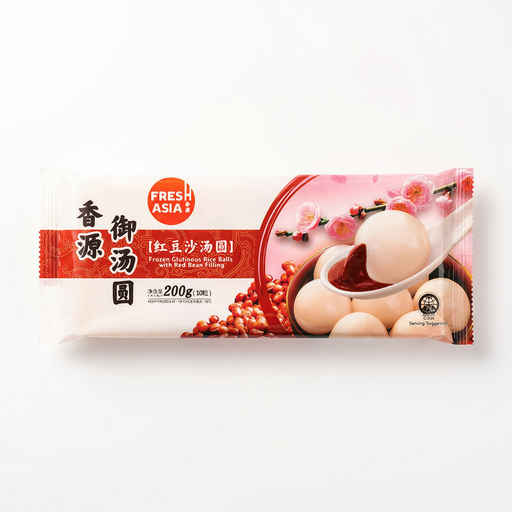
Why This Fits Their Persona: A 200g pack is a manageable starting point for shoppers who want to try Chinese dessert dumplings without buying a larger family pack. The red bean filling pairs naturally with sweet syrup or soup.
The listing clearly identifies the filling, 200g quantity, frozen storage requirement and 3–5 minute boiling guidance.
200g pack; no allergens are listed in the supplied product information; suitable for serving warm in syrup.

Why This Fits Their Persona: Shoppers looking for a clearly defined black sesame filling may appreciate the stated 15% sesame paste content and a traditional flowing centre when cooked.
The ingredient information gives a specific sesame paste percentage instead of relying only on flavour imagery or promotional wording.
15% sesame paste stated; cook-from-frozen instructions; compatible with ginger soup or sweet syrup.
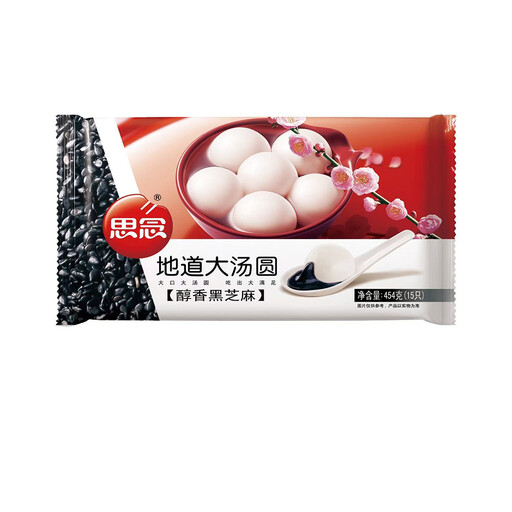
Why This Fits Their Persona: The 454g pack contains 15 pieces, making it suitable for family sharing, festive gatherings or households that regularly prepare a chewy rice ball dessert.
The piece count and net weight are specified, making portion planning easier than choosing by pack appearance alone.
454g quantity; 15 pieces; black sesame and peanut filling; storage at -18°C or colder.
For plain mini rice balls, add them to a prepared sweet soup or dessert bowl. They can absorb surrounding flavours and work well with ginger, coconut, red bean or shaved ice preparations.
We have compiled a complete, real-time list of products that fully satisfy these strict selection criteria and UK safety regulations.
They are generally the same style of Chinese dessert. “Tang yuan” and “tangyuan” are common names for filled or unfilled glutinous rice dumplings, while “Chinese sweet rice balls” and “Chinese dessert dumplings” are broader descriptions used by retailers.
The supplied products are intended to be boiled, and some may also provide steaming instructions. Unless the packaging gives alternative directions, use boiling water rather than an air fryer or microwave. This helps cook the wrapper and filling evenly.
Keep them at -18°C or below and follow the best-before date on the packaging. Do not refreeze after thawing. For the most consistent texture, keep the bag sealed and avoid repeated temperature changes.