
24/7 Customer Support

Free returns

Same-day & Next-day Delivery

Quality Guaranteed

Unlock Your Welcome Offers: FREE Delivery | Up to 80% OFF | Free 30-day JoyPlus trial
Download the APP
Recreating the delicate and refined flavours of Japanese cuisine at home is a rewarding experience. With the convenience of online Japanese food delivery, sourcing high-quality ingredients has never been easier. However, the world of frozen Japanese seafood can be tricky to navigate. Marketing terms can be confusing and it's easy to end up with a product that doesn't deliver that authentic, restaurant-quality experience you were hoping for.
As the Joybuy Product Recommendation Officer, my role is to help you understand what truly matters when making a selection. Before you add anything to your basket, let's look at a few common pitfalls that can lead to disappointment and how to avoid them.
frozen panko prawns, the coating is just as important as the seafood inside. Inferior products often use dense, standard breadcrumbs that absorb too much oil, turning greasy and soggy. Authentic panko should be light, airy and deliver a shatteringly crisp texture when cooked.To ensure you buy sashimi online UK with confidence and select products that perform well in the kitchen, focus on these core parameters.
The single most important factor for fish and seafood intended for raw consumption is the freezing method. Look for products that are "flash-frozen at source" or "blast-frozen at sea." This rapid, deep-freezing process preserves the cellular structure of the fish, maintaining its firm texture and fresh flavour. It also helps to neutralise parasites, which is a critical safety step. Reputable suppliers will often provide sourcing information, such as the FAO fishing area, which indicates where the seafood was caught. This level of transparency is a strong indicator of a quality-conscious brand.
Always check the product description for the net weight versus the gross weight, especially for glazed items. This tells you how much actual seafood you are getting. For prepared items like miso black cod UK or frozen unagi eel, scrutinise the ingredients list. An authentic product will list key Japanese ingredients like miso, mirin and sake high up on the list, rather than relying heavily on sugar, corn syrup and artificial flavourings to create its taste profile.
For breaded or battered seafood, the type of coating makes all the difference. Panko breadcrumbs are the standard for Japanese fried dishes because their jagged, airy structure creates a much lighter and crispier crust than fine, dense breadcrumbs. For tempura, the batter should be delicate and fry to a lacy, brittle finish, not a thick, heavy shell. When choosing pre-cooked items, check the preparation method—is it grilled, steamed or marinated? This will directly impact the final flavour and texture.
To help you find the right fit for your culinary goals, here are some recommendations matched to different home-cooking scenarios.
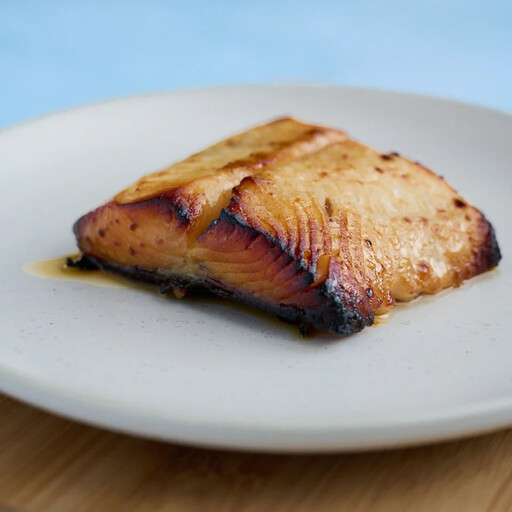
Why This Fits Their Persona: This is for the cook looking to replicate the iconic, high-end Japanese restaurant dish at home. Black cod (sablefish) is prized for its rich, buttery texture and this product handles the complex 72-hour marination process for you.
The marinade uses authentic ingredients like white miso, mirin and sake, not just sugar and flavourings. The fish is sourced from MSC certified Alaskan fisheries, offering quality assurance.
The 72-hour marination is done for you, saving significant time and effort while ensuring a deep, umami-rich flavour. It cooks quickly under the grill or in a pan.
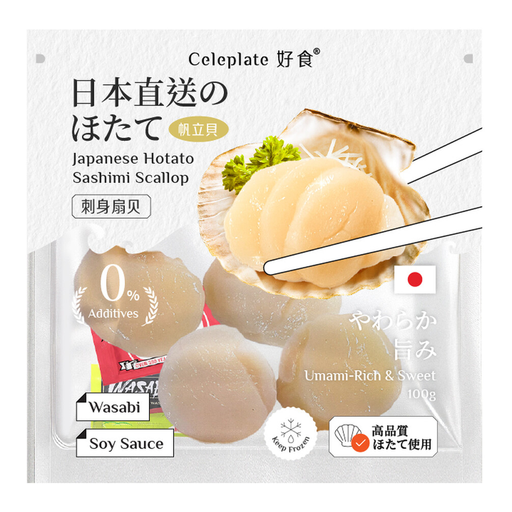
Why This Fits Their Persona: Perfect for those wanting to create an elegant sashimi platter or sushi at home. These are whole king scallops, prized for their sweet, creamy flavour and smooth texture when served raw.
This product avoids the "sashimi-grade" ambiguity by providing clear sourcing details (FAO Area 61, Japan) and processing information (flash-frozen at source under strict handling standards).
These are whole, sashimi-grade scallops, offering versatility. They can be served raw, thinly sliced for carpaccio or lightly seared (aburi-style) for a different texture.
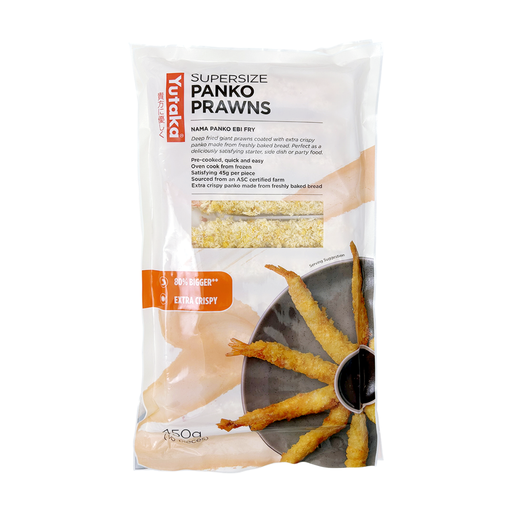
Why This Fits Their Persona: This is for someone who needs a quick, impressive and crowd-pleasing dish. These large prawns are a versatile centrepiece, perfect as an appetiser with a dipping sauce or as part of a main meal like a katsu curry.
It avoids the soggy coating pitfall by using authentic Japanese-style panko breadcrumbs, which are specifically designed to be light, airy and deliver a superior, lasting crunch.
The "supersize" format provides a generous, succulent prawn in each bite, offering a satisfying texture contrast between the juicy interior and the crisp exterior. Cooks from frozen in minutes.
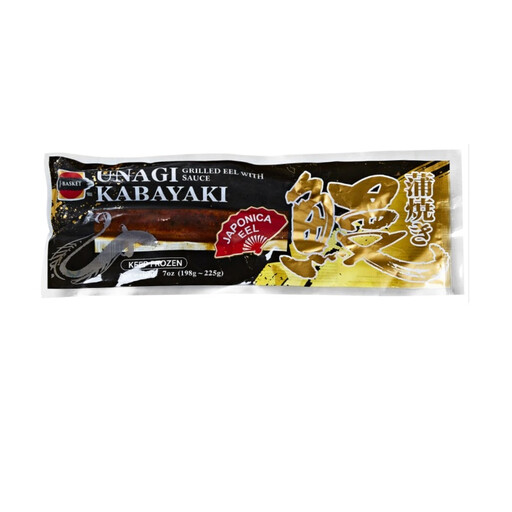
Why This Fits Their Persona: This is for anyone craving an authentic unagi donburi (grilled eel rice bowl) without any of the work. It's a fully cooked and sauced eel fillet on a bed of Japonica rice, ready to heat and eat.
It uses high-quality Anguilla japonica eel and authentic kabayaki sauce ingredients (soy sauce, mirin). The inclusion of Japonica rice ensures the correct sticky texture for the dish.
This product offers maximum convenience. It's a complete meal component that heats up in the microwave or steamer in minutes, delivering a classic Japanese flavour with zero preparation.
We have compiled a complete, real-time list of products that fully satisfy these strict selection criteria and UK safety regulations.
The safest method is to place the vacuum-sealed package in the refrigerator overnight (for 8-12 hours). This slow, controlled thawing process preserves the texture of the fish and keeps it out of the temperature "danger zone" where bacteria can multiply. For a quicker method, you can submerge the sealed package in a bowl of cold water for 30-60 minutes, changing the water every 20 minutes to ensure it stays cold. Never defrost sashimi at room temperature or in the microwave. Once thawed, it should be consumed the same day.
It depends on the product. Items designed for frying or baking, such as frozen panko prawns or tempura, should almost always be cooked directly from frozen to ensure the coating becomes crisp and does not fall off. Thin fish fillets or marinated items like miso black cod UK generally benefit from being thawed first to ensure even cooking. Always check the package instructions for the recommended preparation method.
For many applications, high-quality frozen seafood is not only comparable to fresh but can sometimes be a better choice. Seafood that is flash-frozen on the fishing vessel within hours of being caught often has a superior texture and flavour compared to "fresh" fish that may have spent several days in transit. This rapid freezing locks in freshness, making it an excellent and safe option for dishes like sashimi, sushi and other lightly cooked preparations.