
24/7 Customer Support

Free returns

Same-day & Next-day Delivery

Quality Guaranteed

Unlock Your Welcome Offers: FREE Delivery | Up to 80% OFF | Free 30-day JoyPlus trial
Download the APP
Recreating the refined flavours of Japanese cuisine at home, from delicate sashimi to crispy tempura, has become a passion for many UK food enthusiasts. The convenience of high-quality frozen Japanese seafood makes this possible, but the online marketplace can be difficult to navigate. Not all frozen seafood is created equal, and it is easy to be disappointed by products that do not live up to their descriptions.
As a Joybuy Product Recommendation Officer, my role is to help you understand what to look for. Before you add anything to your basket, let’s look at a few common pitfalls that can lead to a disappointing meal and wasted money.
To ensure you get the quality you are paying for, focus on a few core product details. These markers of quality separate premium products from the rest and are essential for anyone looking to buy sashimi grade fish online.
For any seafood you intend to eat raw, such as in sashimi or sushi, the freezing process is a non-negotiable safety and quality point. Look for explicit descriptions like "flash-frozen at sea" or "frozen at -35°C". This indicates the product was handled correctly to be safe for raw consumption and to maintain a firm, pleasant texture. This is particularly important when selecting delicate items like frozen scallops for sashimi or high-quality tuna and squid. For cooked items, IQF (Individually Quick Frozen) is still a good indicator that the pieces will not be clumped together and have retained their integrity.
Knowing where your seafood comes from provides valuable insight into its quality. Reputable suppliers will often state the country of origin or even the specific FAO fishing area. For example, scallops sourced from FAO Area 61 near Hokkaido, Japan, are renowned for their quality due to the cold, nutrient-rich waters. Clear origin information is a sign of a transparent supply chain, which is a crucial factor when shopping for Asian seafood online.
The product description should clearly state how the seafood is prepared. Is it completely raw? Is it pre-marinated, like miso black cod delivery products? Or is it coated and ready to cook, such as panko prawns frozen or Japanese tempura prawns?
For coated products, check the ingredients for the type of coating—authentic panko offers a lighter, crispier texture than standard breadcrumbs. For pre-cooked items like frozen unagi eel UK, look at the percentage of eel versus sauce and rice to gauge the value. A clear ingredient list helps you make an informed choice and get the right product for your intended dish.
To help you choose, here are a few products matched to different home-cooking needs. Each one is selected based on the clear and objective information provided by the supplier.
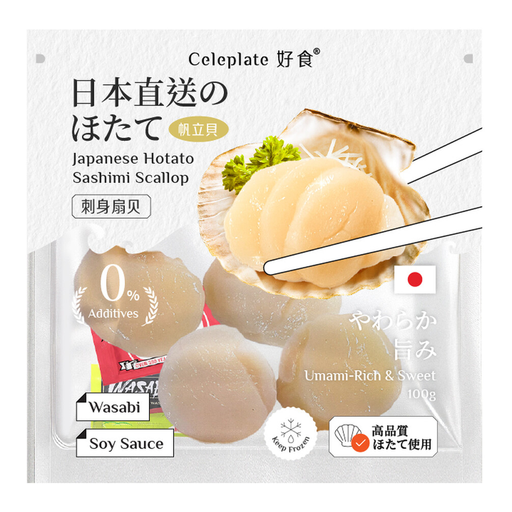
Why This Fits Their Persona: This user prioritises authenticity and quality for raw preparations. These scallops are for creating restaurant-quality sashimi or sushi at home, where the pure, unadulterated flavour of the seafood is the main focus.
It directly counters the "sashimi-grade" ambiguity by providing specific origin details (FAO Area 61, northern Japan) and confirming they are processed under sashimi-grade standards and flash-frozen at the source.
Features a naturally sweet, creamy flavour and smooth texture ideal for raw consumption. The clear sourcing information provides confidence in its quality.
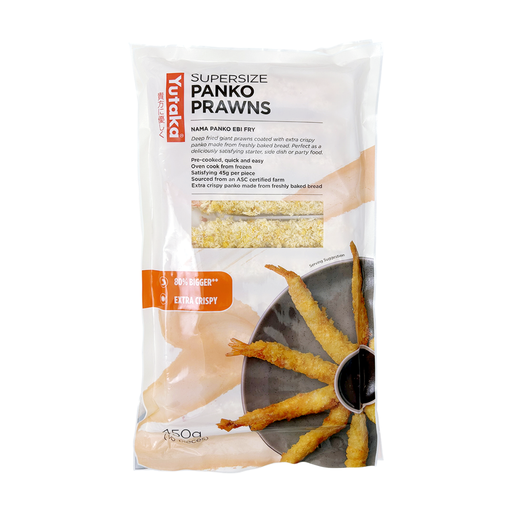
Why This Fits Their Persona: Perfect for someone who needs a quick, convenient, yet impressive dish for guests or a special family meal. These prawns offer a "wow" factor with minimal effort, going from freezer to table in minutes.
This product avoids the disappointment of a poor coating by using authentic Japanese-style panko breadcrumbs, known for a light, shatteringly crisp texture. The "supersize" description promises substantial prawns, not just thick batter.
Delivers a satisfying contrast between the juicy prawn and the extra-crispy coating. Highly versatile for appetisers, mains or as a topping for noodles and curries.
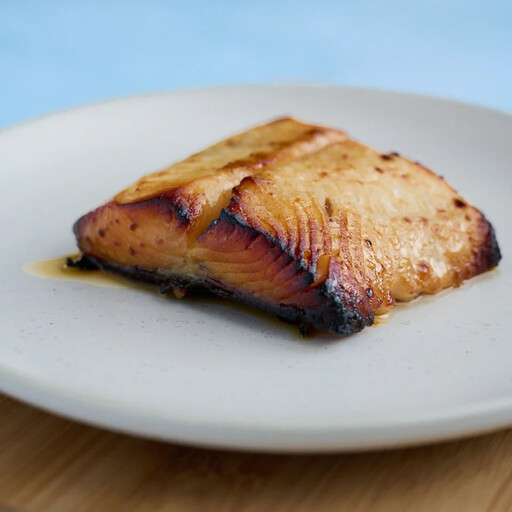
Why This Fits Their Persona: This home cook wants to replicate an iconic, high-end Japanese restaurant dish without the complexity of marinating from scratch. It offers a convenient shortcut to a luxurious meal.
It avoids vague claims by providing specific details: the fish is premium Black Cod (Sablefish), it is sourced from MSC certified Alaskan fisheries and it is marinated for 72 hours before being packed. This is a level of detail that inspires confidence.
The rich, buttery texture of black cod is perfectly complemented by the deep umami of the miso marinade. It is ready to grill or bake straight after defrosting.
We have compiled a complete, real-time list of products that fully satisfy these strict selection criteria and UK safety regulations.
The recommended method is to place the seafood in its original, sealed packaging in the refrigerator for 8-12 hours, or overnight. This slow, cold thawing process preserves the delicate texture and prevents the growth of harmful bacteria. Never use a microwave, hot water or leave it on the counter at room temperature.
No, it is strongly advised not to refreeze any seafood after it has been fully defrosted. The process of thawing and refreezing severely damages the cell structure, leading to a significant loss of texture and flavour. For food safety and quality, plan to use your defrosted seafood within 24 hours.
The key difference lies in the coating. Japanese tempura prawns are coated in a very light, thin batter (typically made from flour, water and starch) that fries up to be airy and delicately crisp. In contrast, panko prawns frozen are coated in Japanese-style breadcrumbs, which are larger and more jagged than Western breadcrumbs. This creates a thicker, coarser and distinctly crunchier exterior. The choice between them depends on the texture you prefer.