Shoppers planning a quick lunch
If you want a meal you can prepare from frozen, compare the stated portion as well as its calories, salt and saturated fat. A range name alone cannot tell you what is in the lunch you will eat.


For a convenient frozen lunch, compare the nutrition information for the portion you would eat, not just the wording on the front of the pack. A calorie-controlled, high-protein or vegetarian range can narrow the choice, but the individual meal’s ingredients, allergens, salt and saturated fat still matter. Consider whether its pack size fits your freezer and lunch plans, particularly when buying several meals.
If you want a meal you can prepare from frozen, compare the stated portion as well as its calories, salt and saturated fat. A range name alone cannot tell you what is in the lunch you will eat.
Pack size and available freezer space matter when you plan several lunches. Choose quantities you expect to use, rather than letting a larger pack determine your meal plan.
Vegetarian, vegan and protein-led ranges can help you find candidates. Check the ingredients, highlighted allergens and nutrition information on each exact product before choosing it.
Start with the portion you intend to eat, then compare its label with other meals on the same basis. Check storage and preparation before deciding how many to buy.
| Priority | What to check | Your needs |
|---|---|---|
| Nutrition and portion | Compare energy, saturated fat and salt per 100g, then check the figures for the portion you will eat. Look at the stated serving size if a pack contains more than one. | I want to know what one lunch contains, rather than relying on a calorie-controlled or high-protein range name. |
| Meal format | Check whether the product is a complete meal or one component, and read its cooking instructions. Account for any other food you plan to serve with it. | A dumpling or burger pack could work for lunch, but I would need to plan the rest of the meal separately. |
| Ingredients and allergens | Read the ingredients list and highlighted allergens on the exact pack. Check the nutrition panel even when a meal is labelled vegetarian or vegan. | If I need a meat-free option or must avoid an ingredient, the individual product label matters more than its range name. |
| Freezer space | Check total pack size, the number of meals and storage instructions. Make sure the quantity fits both your freezer and the lunches you expect to prepare. | I would rather keep room for meals I will use than commit freezer space to an oversized pack. |
“Calorie-controlled” or “high-protein” does not tell you the meal’s salt, saturated fat or portion size.
Compare the nutrition declaration per 100g and for the amount you intend to eat.
Several packs may take up more freezer room than you have available, particularly when each pack contains multiple portions.
Check the total quantity and storage instructions before choosing how many meals to keep.
A vegetarian or vegan designation does not establish suitability for a particular allergen requirement or describe the meal’s full nutrition.
Read the exact pack’s ingredients, highlighted allergens and nutrition information.
A ready meal listed in a chilled range may not meet a need for freezer storage or cooking from frozen.
Confirm the individual product’s storage format and preparation instructions.
These range examples can help narrow a search, but the individual product label determines its ingredients, nutrition and storage format.
M&S lists vegetarian and vegan choices in its frozen ready-meal range. It separately describes Count On Us dishes as calorie controlled and portioned.
Waitrose lists frozen ready meals including a 400g vegetable lasagne.
Tesco’s frozen ready-meal listing includes an Under 500cal filter and vegetarian and vegan categories.
Asda lists Healthier Choices under chilled ready meals, rather than establishing that range as a frozen option.
Iceland lists frozen ready meals and describes its MyProtein range as meals that cook from frozen.
These options include prepared frozen meals, dumplings and a burger pack that can form part of a lunch. Compare their pack formats with the meal you intend to make; they are not all complete lunches.
 No image available
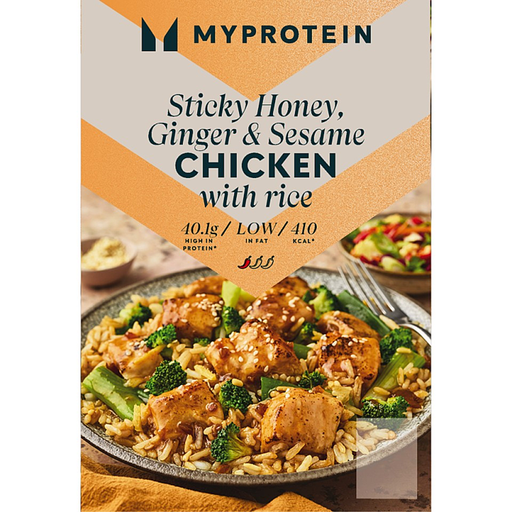
This 350g chicken-and-rice meal is an option to examine if you want a prepared frozen lunch and are comparing protein content. Check the pack’s portion information, ingredients and allergens against your requirements, and follow its cooking instructions.
 No image available
These chicken soup dumplings suit a dumpling-based lunch rather than a meal with separate sides. Check the pack quantity and nutrition for the amount you intend to eat. Follow the preparation and standing instructions, as the soup centre can be very hot.
 No image available
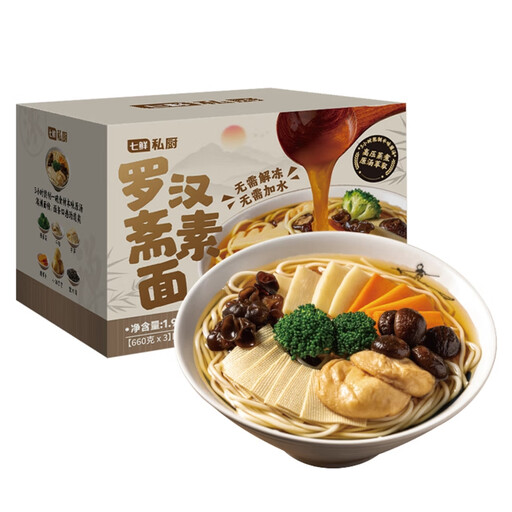
These vegetarian noodles offer a meat-free lunch option in three 660g packs. Check how much you would serve for one lunch and whether the 1.98kg total fits your freezer. Read the exact pack’s ingredients and allergens before use.
 No image available
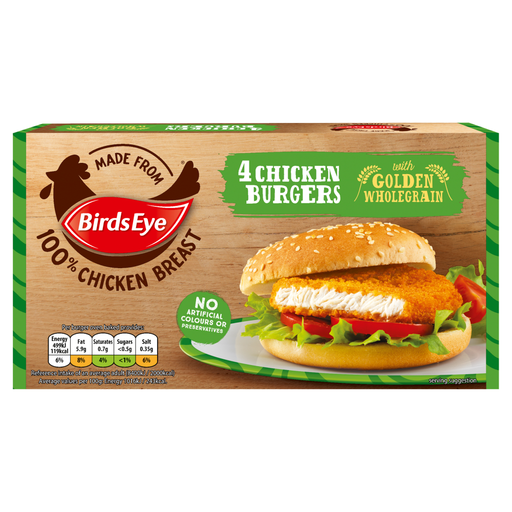
This four-burger pack is a lunch component, not a complete meal. Account for any bun, toppings or sides when considering the lunch as a whole. Allow for the stated oven preparation and check the pack for ingredients and cooking directions.
 No image available
These 540g seafood dumplings can form the basis of a lunch, though any soup or sides need to be considered separately. Check the portion you plan to prepare, read the ingredients and allergens, and cook the dumplings as directed.
Compare their nutrition figures per 100g first, then look at the amount you would actually eat. The NHS explains that prepacked foods carry nutrition information on the packaging; the portion figure helps put that comparison into the context of your lunch.
No. Such wording can help narrow your options, but it does not describe every aspect of a meal. Check its portion, salt, saturated fat, ingredients and allergens on the individual pack.
Read the full ingredients list on the exact prepacked meal and look for emphasised allergens. Food Standards Scotland’s guidance explains this labelling requirement for prepacked foods in Scotland; Food Standards Agency guidance covers England, Northern Ireland and Wales.