Office lunch shoppers
If you are taking a frozen lunch to work, check the kcal for the amount you intend to eat and whether the available appliance matches the pack’s cooking instructions.


Choose a frozen meal by the kilocalories (kcal) in the portion you will eat, not by a range name or the figure per 100g alone. Once it meets your under-500-kcal lunch target, compare its salt and saturated fat, check the ingredients and allergens, and make sure you can follow its cooking instructions.
If you are taking a frozen lunch to work, check the kcal for the amount you intend to eat and whether the available appliance matches the pack’s cooking instructions.
If you want several convenient lunches ready to cook, compare individual labels rather than relying on terms such as “calorie controlled” or “high protein” across a whole range.
If salt, saturated fat, ingredients or allergens affect your choice, read the information on the current pack for the exact meal. A calorie figure cannot answer those questions on its own.
Start with the portion you will actually eat, then compare nutrition and preparation details between meals that fit your lunch plans.
| Priority | What to check | Your needs |
|---|---|---|
| Portion energy | Read kcal per portion and servings per pack. If you will eat more than one stated portion, account for the amount you will eat. | I want the lunch I serve myself, not merely a suggested serving, to fit my under-500-kcal target. |
| Nutrition | Compare salt and saturated fat on the same per-100g or per-serving basis. Check the front-of-pack traffic-light labelling and fibre information where shown. | Meeting my calorie limit is only one part of the choice; I also want to compare what different meals contain. |
| Preparation | Check whether the pack calls for a microwave, oven or steaming, and follow any appliance settings, stirring and standing instructions. | At work, I need a meal I can prepare with the equipment and time available during lunch. |
| Ingredients | Read the current ingredient list and allergen declaration for the exact product. Check dietary labels against the pack rather than relying on a category name. | If I need to avoid an ingredient, the individual meal’s label matters more than the name of its range. |
An under-500-kcal meal can still differ substantially from another in salt, saturated fat and fibre. Action on Salt & Sugar’s May 2025 review assessed 1,511 chilled and frozen ready meals from 11 major retailers; its findings describe that wider group, not specifically frozen meals under 500 kcal.
After checking the portion’s kcal, compare the other nutrients on a consistent per-100g or per-serving basis.
M&S describes Count On Us as calorie controlled, while Iceland offers branded ready-meal ranges. Neither range name gives you the kcal for every portion you might choose.
Check the exact meal’s nutrition panel and serving size before deciding whether it fits your target.
A pack can contain more than 100g or more than one stated serving, so its per-100g kcal figure need not describe the amount you will eat.
Use the portion figure for your lunch decision; use per-100g figures when comparing products on the same basis.
Frozen products can call for different preparation methods, and online ingredient information can change. Iceland advises shoppers to check the physical product label.
Read the current pack for allergens and follow its cooking and storage instructions, including any stated stirring or standing steps.
These retailer ranges offer different starting points, but a range listing does not replace the label on an individual frozen meal.
Tesco Groceries has a frozen ready-meal section called “Under 500cal Meals”.
Iceland Foods lists frozen ready meals and lunch bowls within ranges including Slimming World and MyProtein.
Waitrose & Partners lists frozen ready meals including lasagne, cottage pie and meals with rice.
M&S describes its Count On Us dishes as calorie controlled and lists them alongside other ready-meal ranges.
These are frozen rice-ball and dumpling options to assess for lunch, rather than a list of complete ready meals. Check the kcal for the portion you plan to eat, any accompanying food and the pack’s preparation instructions.
 No image available
This 100g rice ball is an option to consider when a compact lunch suits you. Check the pack for the thawing or heating method and current allergen information, and decide whether this portion and anything served with it fit your lunch plans.
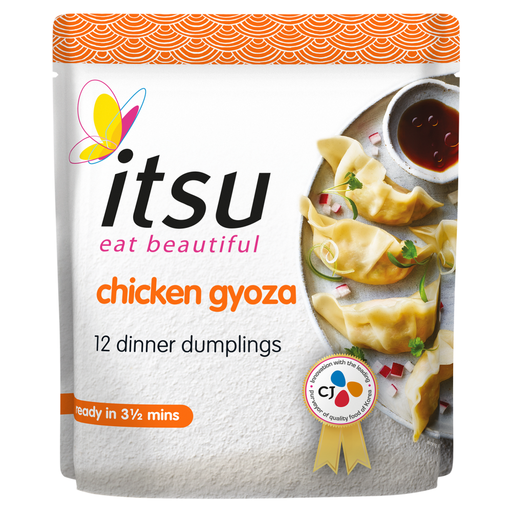 No image available
The 12-dumpling, 240g pack offers a dumpling-based lunch option. Decide whether you would eat it alone or with other food, then check the resulting portion’s kcal. Follow the cooking method on the pack and review its allergen declaration.
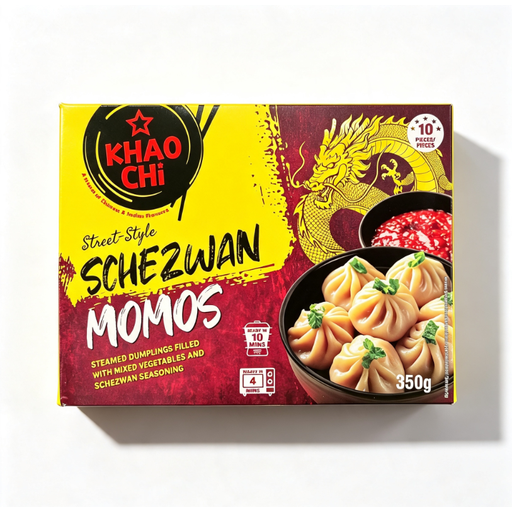 No image available
For a 350g momo option, check whether the portion you intend to eat fits your kcal target. Allow for the pack’s steaming instructions rather than assuming microwave-only preparation will do, and read its current salt and allergen information.
No. Its kcal figure tells you whether the stated portion meets that energy target, but not what else the meal contains. Compare salt, saturated fat and other nutrients on the label; Action on Salt & Sugar’s May 2025 review found substantial variation across the wider group of chilled and frozen ready meals it assessed.
Use the figures for the portion you will eat to assess your 500-kcal target, and per-100g figures to compare products of different sizes on the same basis. Check how many servings the pack contains before treating a stated portion as the whole meal.
Yes. Follow the method on the specific pack, including any stated appliance setting, stirring and standing time. Check that you have the required equipment before choosing the meal for a work lunch.
Use it to help shortlist meals, but read the current physical pack before eating if an ingredient or allergen matters to you. Iceland Foods notes that its online ingredient, nutrition and allergy information can change.