Solo shoppers comparing total fat
A single-serve frozen meal can make portion checks straightforward. Compare fat per 100g and for the prepared pack, then check salt and the heating instructions before relying on a low-fat claim alone.


For a frozen lunch when reducing total fat matters, look for a low-fat claim or compare fat per 100g and for the portion you will eat. Then check calories, saturated fat, salt, allergens and whether the meal can be heated with the equipment and time available; a calorie-controlled or high-protein label does not answer those questions on its own.
The useful comparison depends on whether your main constraint is total fat, the size of the lunch portion or what you can prepare safely at lunchtime.
A single-serve frozen meal can make portion checks straightforward. Compare fat per 100g and for the prepared pack, then check salt and the heating instructions before relying on a low-fat claim alone.
A calorie-controlled range may offer a clearly portioned lunch, but its name does not tell you the meal’s total fat or salt. Read the figures for the pack you intend to eat.
Choose by the exact product’s current ingredients and allergen statement, including any “may contain” warning. Meals within the same type of range can have different ingredients.
Start with the fat measure, use the prepared portion to judge the whole lunch, and check that storage and cooking instructions fit your plans.
| Priority | What to check | Your needs |
|---|---|---|
| Total fat | Look for a low-fat claim and compare total fat per 100g. UK Department of Health and Social Care guidance states that a solid food claiming “low fat” must contain no more than 3g fat per 100g. Also read the figure for the prepared portion. | I want to reduce total fat, rather than choose by a calorie-controlled or high-protein range name. |
| Whole portion | Check calories, fat, saturated fat and salt for the pack you will eat. GOV.UK’s traffic-light label guidance describes the colours as a way to compare these figures across products. | The full pack will be my lunch, so its per-pack figures matter as well as its per-100g figures. |
| Lunch preparation | Check whether the exact product can be cooked from frozen, the equipment and microwave wattage specified, and any stirring or standing instructions. Check how it must be stored before lunch. | I need a preparation method that works with the equipment and time available where I will eat. |
| Ingredients | Read the current pack’s ingredients, declared allergens and “may contain” statements. Check the exact flavour and variant rather than assuming products in one range share a recipe. | Before buying, I need to know whether this particular meal fits my dietary exclusions. |
| Meal format | Check whether the product is a complete ready meal or one frozen component, and use the nutrition figures for the amount you plan to serve. | A single ready meal suits a lunch with little assembly; a separate component means I need to plan the rest of the lunch. |
“Calorie controlled” and “high protein” describe different attributes. For example, the Birds Eye Get Real Protein Thai Red Chicken Curry listed by Waitrose gives 35g protein but also lists 12.0g fat and 1.80g salt per serving.
If total fat is your priority, check a low-fat claim or compare fat per 100g and per serving before deciding whether that particular meal fits.
The per-100g figure helps compare differently sized products, but a full pack can contain several hundred grams. ASDA Groceries lists 1.1g fat per 100g and 3.5g fat for the microwaved pack of its 350g Good & Counted Chicken, Tomato & Basil Pasta.
Use the per-100g value to screen products, then read the prepared-pack values for the portion you intend to eat.
Heating directions depend on the product and equipment. Skipping a stated stirring or standing step can leave food unevenly heated.
Follow the exact pack’s instructions, including its wattage guidance where given, and check that the food is piping hot before eating.
Storage and reheating directions differ by product. Tesco’s Calorie Controlled Chicken Tikka Masala storage instructions say not to refreeze it after thawing.
Keep the meal as directed on its pack and follow that product’s instructions if it has thawed or has already been cooked.
These ranges offer different starting points, but their names do not establish the fat content, allergens or frozen format of every product in them.
Tesco lists frozen “Under 500cal Meals”, including its 350g Calorie Controlled Chicken Tikka Masala.
Asda has a frozen ready-meals category that includes single-serve, calorie-controlled dishes.
M&S describes its Count On Us dishes as calorie controlled.
Waitrose lists frozen ready meals from national brands, including Birds Eye Get Real Protein Thai Red Chicken Curry.
Iceland lists frozen ready meals and an exclusive Slimming World range that includes ready meals and lunch bowls.
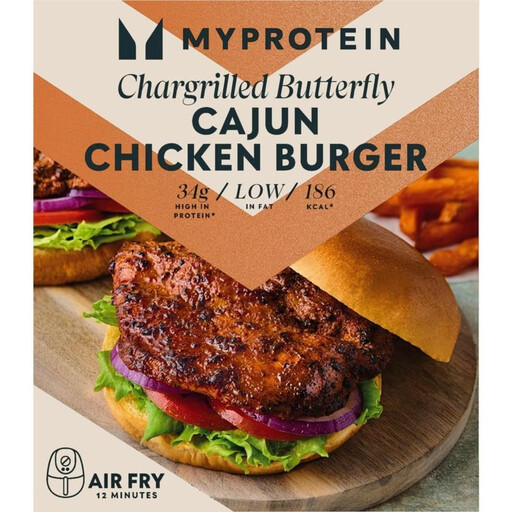
The option below is a frozen chicken-burger component for a lunch you assemble, not a complete frozen ready meal. Its pack and cooking directions matter if you need a quick lunch away from home.
 No image available
These frozen chicken burgers are a lunch component rather than a complete ready meal. Compare the nutrition figures for the portion you plan to eat, check the current pack’s allergen information and confirm that its cooking instructions suit the equipment available at lunchtime.
For solid food, UK Department of Health and Social Care guidance states that a product claiming “low fat” must contain no more than 3g fat per 100g. A calorie-controlled range name does not, by itself, make the same claim.
Use both: per 100g helps you compare products of different sizes, while the prepared-pack figures describe the lunch portion if you eat the whole pack. Read the pack’s fat, calories and salt figures before choosing.
No conclusion about total fat follows from that wording alone. ASDA Groceries lists low-fat indicators for its specific 350g Piri Piri Chicken and Good & Counted Chicken, Tomato & Basil Pasta meals, but you still need to check the label of any other dish.
Only follow a microwave-from-frozen method when the exact product provides one. Check the stated cooking time and wattage, follow any stirring and standing directions, and make sure the food is piping hot before eating.
Read the current ingredient list, allergen declaration and any “may contain” warning on the precise product pack. Recipes can differ between dishes, so a familiar range name is not enough to establish whether a particular meal meets your requirements.