Office and commuting lunch shoppers
If you plan to heat one frozen portion at work, check its whole-portion calories, cooking method and standing time before counting on it for lunch.


For a frozen lunch under 500 calories, start with the calories in the whole portion you will eat, then check whether the cooking instructions work with the equipment available at lunchtime. Compare protein, fibre, salt, saturated fat and ingredients on the current pack too: the calorie figure alone cannot tell you which meal meets your other requirements.
If you plan to heat one frozen portion at work, check its whole-portion calories, cooking method and standing time before counting on it for lunch.
Compare the protein stated for the portion you will eat, alongside its calories, salt, saturated fat and allergen information.
If ingredients matter to your choice, compare vegetables or pulses, fibre where declared, and the current pack’s nutrition and allergen information.
Check the portion and cooking instructions first; then compare the nutrition details and ingredients that matter to your lunch.
| Priority | What to check | Your needs |
|---|---|---|
| Whole-portion calories | Read the kcal for the prepared pack or stated serving you will eat. Check the pack weight and number of portions; use per-100g figures to compare different sizes. | I want my complete lunch portion, not just 100g of it, to stay under 500 calories. |
| Preparation | Check whether the meal cooks from frozen, which appliance it requires, and any wattage, stirring or standing-time instructions. | At work, I need cooking instructions that fit the equipment and time available. |
| Protein and ingredients | Compare protein for the portion you will eat. Read the ingredients for vegetables, pulses or other components you want, and compare fibre where declared. | Protein is a priority for me, or I would prefer a lunch containing vegetables or pulses; I still need to check the exact product. |
| Other nutrition details | Compare salt and saturated fat for the portion, using per-100g figures and any front-of-pack traffic-light labels for like-for-like checks. | A meal can meet my calorie limit without meeting my preferences for salt or saturated fat. |
| Allergens | Read the current pack’s ingredients, allergen declaration and any ‘may contain’ wording before preparation. | If I avoid an ingredient, I need information for the exact meal I am buying, not an older listing. |
An under-500-calorie figure describes energy for the stated portion, not its salt, saturated fat or fibre. Action on Salt & Sugar’s May 2025 review of UK chilled and frozen ready meals found substantial differences across these measures.
Once you have checked the calories for your portion, compare the other nutrition details on the exact pack.
Eating a full pack means eating more than the labelled 100g amount if the pack is larger than 100g.
Check the pack weight, number of servings and calories for the amount you intend to eat.
A particular meal may not be available when you need it; Tesco’s Chicken Curry and Rice listing, for example, stated that it was out of stock when reviewed.
Check current retailer or store availability before relying on a specific meal for several lunches.
Ingredients and allergen information can change. Iceland notes that product information may change, while Sainsbury’s advises checking packaging for nutrition and allergen warnings.
Read the physical pack for the meal you have bought before preparing or eating it.
A retailer range can help you browse, but the calorie limit and cooking requirements need checking on each individual meal.
Tesco has a frozen Under 500cal Meals category.
M&S has frozen ready meals and describes its separate Count On Us range as calorie controlled.
Waitrose lists frozen ready meals, including Birds Eye Get Real Protein Thai Red Chicken Curry.
Iceland lists frozen ready meals, including the Heinz Korma Curry Frozen Bowl.
When choosing a frozen lunch from Sainsbury's, assess the individual product rather than assuming it meets a calorie limit.
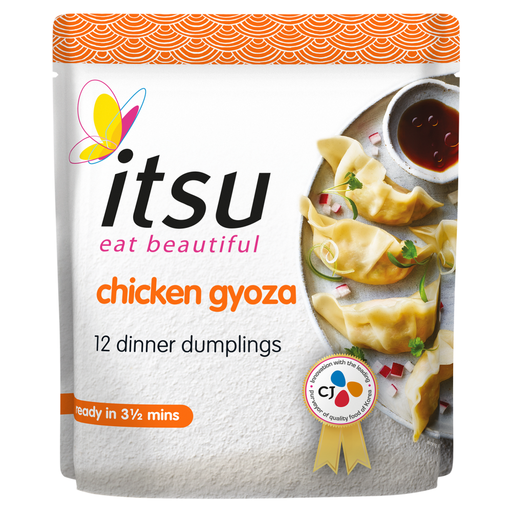
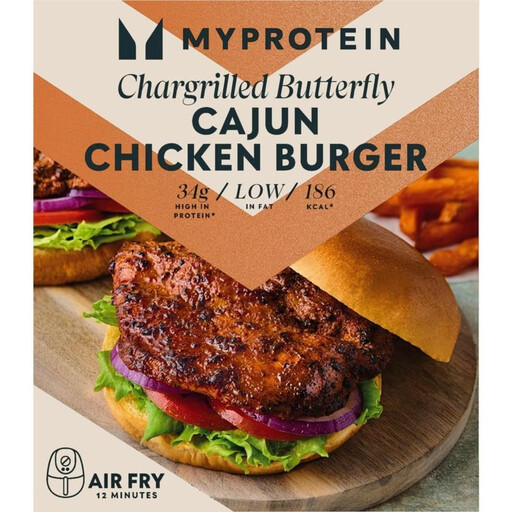
These Joybuy options include frozen gyoza and chicken burgers. The burgers are a lunch component rather than a complete ready meal; for either product, check the calories for the portion you will eat and whether its cooking instructions suit your plans.
 No image available
The 12-dumpling pack is an option to assess as a frozen lunch. Check the current pack’s whole-portion calories and cooking instructions, including the appliance required, before counting on it for a workplace lunch.
 No image available
This frozen two-pack is a chicken-burger lunch component, not a complete ready meal. Check the calories for the amount you will eat and count any bun or accompaniments separately; the product calls for grilling, so check the cooking instructions against your available equipment.
No. It tells you the energy in the stated portion or pack, so confirm that it matches the amount you will eat. The NHS explains that nutrition labels also give details including fat, saturates, sugars, protein and salt, which you can compare alongside ingredients and fibre where declared.
Use the calories for the full portion you intend to eat to check your 500-calorie limit. Per-100g figures help you compare products of different sizes, but check the pack weight and number of servings before using them to assess your lunch.
Its cooking method needs to work with the equipment available to you. Check whether it cooks from frozen, the required appliance or microwave wattage, and any stirring and standing-time steps on the exact pack.
Follow the storage and thawing instructions on the exact pack rather than assuming refreezing is permitted. Check those instructions before taking a frozen meal away from home.
Use the online listing as an initial check, then read the ingredients, allergen declaration and any ‘may contain’ wording on the current physical pack before eating. Iceland notes that product information can change, and Sainsbury's advises customers to check packaging for allergen warnings.