Shoppers looking for low-fat frozen food
If low fat is a firm requirement, compare total fat per 100g with the NHS benchmark rather than relying on a reduced-fat claim. Check saturated fat and salt separately.


If you need food that is low in fat rather than merely reduced in fat, use the NHS benchmark of no more than 3g total fat per 100g; a comparative claim alone does not establish that a product meets it. A portioned ready meal may simplify serving, while frozen ingredients let you assemble different portions for guests, but check saturated fat, salt, allergens and cooking directions for every item you choose.
If low fat is a firm requirement, compare total fat per 100g with the NHS benchmark rather than relying on a reduced-fat claim. Check saturated fat and salt separately.
A mix of mains and sides allows guests to choose portions. Check the cooking directions and allergen information for each product, including ingredients used to make up the spread.
A prepared dish can make portions easier to plan. M&S describes its Count On Us dishes as calorie controlled, but that does not establish that an individual dish is low in fat.
Decide whether you need an absolute low-fat threshold, a reduced-fat version of a familiar food or separate components for a shared meal. Then compare the exact packs you plan to serve.
Choose when: Low fat is a firm requirement and the meal shows no more than 3g total fat per 100g under the NHS benchmark.
Bear in mind: Meeting the total-fat benchmark does not settle the separate questions of salt, saturated fat or allergens.
Choose when: You want a familiar burger or similar item with less fat than its stated comparator, without requiring it to be low in fat.
Bear in mind: Waitrose says its reduced-fat beef burgers contain 50% less fat than its standard essential Waitrose burgers; that comparison is not an absolute low-fat measure.
Choose when: You are serving several people and want to portion the main ingredients and sides separately.
Bear in mind: An ingredient is not a finished meal; preparation and the other ingredients determine what ends up on the plate.
| Priority | What to check | Your needs |
|---|---|---|
| Total fat | Read total fat per 100g, not just a reduced-fat claim. The NHS defines low total fat as 3g or less per 100g. | I want a frozen meal that meets a low-fat benchmark, not simply one with less fat than another product. |
| Other nutrition | Compare saturated fat and salt per 100g between suitable foods, then check the figures for the portion you will serve. The NHS low-saturated-fat benchmark is 1.5g or less per 100g. | A lower total-fat figure is not enough for me to choose between meals if their salt and saturated-fat figures differ. |
| Portions | Check the stated serving count, pack weight and per-serving nutrition. A calorie-controlled range does not establish that every item is low in fat. | For several guests, I need to know how many portions the packs provide; for one person, a prepared dish may be simpler. |
| Serving safely | Read the exact pack’s ingredients, allergens and cooking instructions. Follow its directions for cooking from frozen or reheating. | When serving guests, I need to check each component rather than assume a familiar recipe has unchanged ingredients or cooking directions. |
Reduced fat describes a comparison with another product. It does not tell you whether the food meets the NHS low-fat benchmark.
If low fat is your goal, check for no more than 3g total fat per 100g, then review saturated fat and salt.
Serving sizes can differ, so per-serving figures alone may obscure the difference between two products.
Compare nutrition per 100g first. Use the per-serving figures afterwards to plan the amount you intend to serve.
A lower total-fat figure does not establish how a meal compares on salt, saturated fat or fibre.
Read those values where declared, especially when choosing between otherwise similar ready meals.
Ingredients can change, and frozen products may have different preparation instructions.
Check the pack you bought for allergens and cooking directions. Food Standards Scotland advises ensuring cooked food is steaming hot in the middle.
These ranges and products illustrate different shopping routes; a brand name or range label is not a substitute for checking an individual pack.
M&S describes its Count On Us dishes as calorie controlled. That positioning can help with portion planning but does not establish a low-fat claim for every dish.
Waitrose has a lighter-foods browsing category and lists reduced-fat beef burgers as one option for a festival-food spread.
Iceland’s frozen ingredients provide a route for assembling and portioning a meal rather than heating a complete ready meal.
These frozen dumplings, prepared meals, burgers and vegetable steam bags serve different roles in a festival-food spread. Check each pack’s nutrition and preparation directions against the role you have in mind.
 No image available
Dumplings can be served as part of a shared spread or as a main. The 400g pack requires cooking; check the pack’s method and allergen information before serving guests.
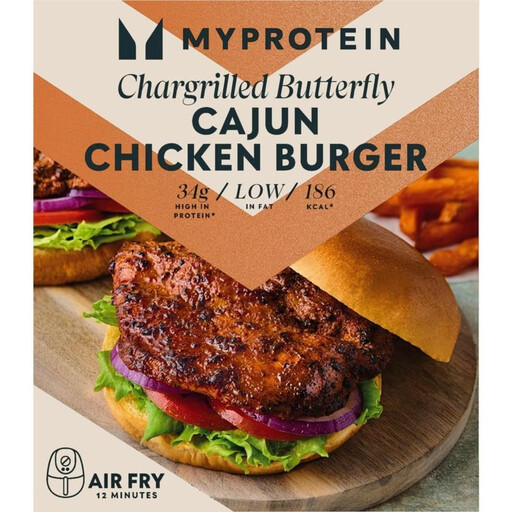 No image available
The two-pack burger format can help you count portions for a spread, but the burgers require cooking. Check the pack for allergens and cooking instructions; the listing also cautions that some bones may remain.
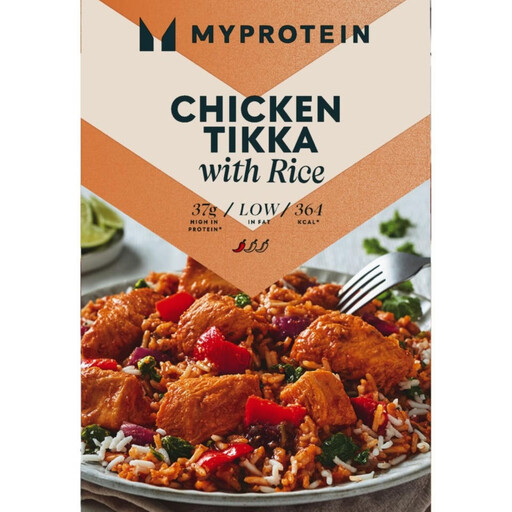 No image available
This prepared meal offers an individual main rather than portions for a whole gathering. Check the 350g pack’s heating instructions and allergen information; the listing cautions that some bones may remain.
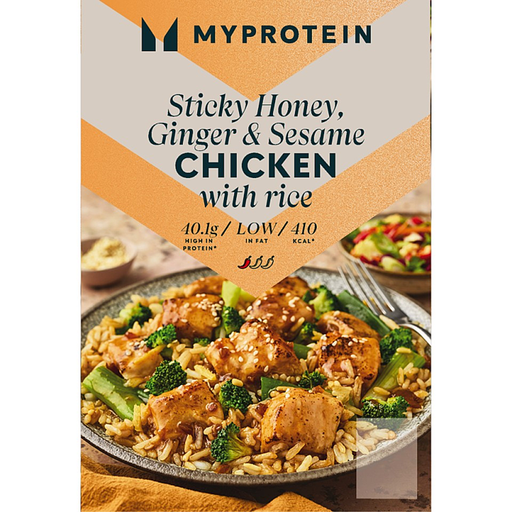 No image available
This prepared chicken dish is an option when an individual serving fits the plan. Check the pack’s heating and allergen information; the listing cautions that some bones may remain.
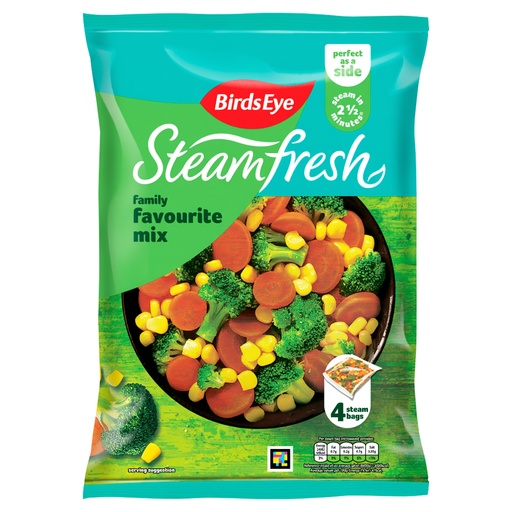 No image available
These vegetable steam bags provide a side for a shared spread, not a complete meal. Follow the pack’s instructions for cooking from frozen, and check its salt information if comparing sides.
No. Reduced fat compares a food with another version; the NHS low-total-fat benchmark is 3g or less per 100g. Read the individual meal’s per-100g nutrition panel if that absolute threshold matters to you.
Compare saturated fat and salt per 100g, then look at the figures for the portion you expect to serve. Action on Salt & Sugar’s May 2025 assessment of 1,511 chilled and frozen UK ready meals found that 56% were high in salt and 42% were high in saturated fat; those figures describe the assessed meals, not every product on sale.
No. M&S describes its Count On Us dishes as calorie controlled, which is relevant to portion planning, but the claim does not establish that every dish meets the NHS low-fat benchmark. Check the nutrition panel of the one you choose.
Use the ingredients and allergen information on the exact packs you buy, including packs for sauces and sides. Do not assume a product is suitable from its name or from the ingredients of a version you bought previously.
Follow each pack’s cooking instructions and check that food is cooked thoroughly. Food Standards Scotland advises that cooked food should be steaming hot in the middle and gives 75°C or above as a thermometer check; it also advises against reheating food more than once.