Stallholders and helpers buying their own food
A frozen meal may work for a later meal if you can keep it frozen and have the equipment and time to cook it as directed. It is not a cold, ready-to-eat refreshment.


For your own meal after a car boot sale, consider a frozen ready meal only if you can keep it frozen until cooking; compare calories for the portion you intend to eat and follow the pack instructions. If you plan to sell or serve meals to visitors, check the requirements for your operation with the local authority and plan frozen storage, preparation and allergen information before choosing stock.
A frozen meal may work for a later meal if you can keep it frozen and have the equipment and time to cook it as directed. It is not a cold, ready-to-eat refreshment.
Before buying stock, establish what applies to your car boot sale setup, including food-business registration, frozen-food handling and allergen information.
Use retailer ranges to find candidates, then check the chosen meal’s calorie figure, portion basis, ingredients and cooking directions rather than relying on a range name.
Decide whether the meal is for your own use or for visitors first. Then check whether the particular product fits your portion, storage and cooking plans.
| Priority | What to check | Your needs |
|---|---|---|
| Calories and portion | Compare calories for the stated serving with the amount you intend to eat. Check pack size and whether a pack contains more than one serving; a retailer category is only a browsing aid. | I want to compare meals on the same portion basis, not assume that a range labelled calorie-controlled sets my portion size. |
| Frozen storage | Read the product’s storage instructions and plan transport and storage accordingly. For food operations, Food Standards Agency MyHACCP guidance identifies frozen-food facilities and temperature monitoring as relevant controls. | If I cannot keep the meal under its required storage conditions through the event, I need a different refreshment plan. |
| Preparation | Check the exact cooking method, equipment and time on the chosen meal. An Iceland Slimming World Beef Lasagne listing, for example, specifies cooking from frozen and gives a 50-minute oven method. | Will I have the right equipment and enough time to cook this meal, whether at the event or afterwards? |
| Ingredients and allergens | Check the exact product’s ingredients and declared allergens, and retain that information if serving others. Food Standards Agency guidance says allergen-information requirements can apply to food served loose. | I need to know what is in the meal, especially if someone else will receive it or I plan to serve it without its packaging. |
| Selling or serving | Ask the relevant local authority how your setup is treated before trading. For a new food business in England, Wales or Northern Ireland, GOV.UK states that registration is required at least 28 days before trading. | If I plan to sell or serve meals to visitors, I need to establish the requirements for my particular event rather than treat a packaged meal as exempt. |
Tesco’s frozen Under 500cal Meals category and M&S’s Count On Us range provide ways to browse, but a category name does not tell you the calories in the portion you will eat.
Compare the calorie declaration and serving size on each candidate meal.
Frozen ready meals need storage and preparation suited to the individual product. Cooking equipment and preparation time matter even when the food is only for your own use.
Confirm how you will keep the meal frozen and when and where you will cook it; otherwise choose another food format.
Your plan may require frozen storage, temperature monitoring or cooking equipment, depending on how the food will be handled.
Selling or serving meals may make your setup a food business. GOV.UK states that new food businesses in England, Wales and Northern Ireland must register at least 28 days before trading.
Ask the local authority about your specific car boot sale activity before buying food to sell or serve.
The Food Standards Agency says allergen-information requirements can apply to non-prepacked food. Removing a meal from its packaging can make the exact ingredient information harder to provide.
Keep the chosen product’s ingredient and allergen details available, and confirm what your serving format requires.
These retailer categories can help you locate candidates; check whether the exact item is frozen and meets your portion, storage and cooking needs.
Tesco Groceries lists an Under 500cal Meals category within frozen ready meals.
M&S describes Count On Us ready meals as labelled with a calorie count and has a separate frozen ready-meal range.
Iceland has frozen ready-meal and Slimming World meal ranges.
Waitrose lists frozen ready meals and frozen vegetarian ready meals.
These frozen options are for considering as your own meal after the event, provided you can keep them frozen and prepare them as instructed. Check the calories for the amount you intend to eat; neither option is presented as a ready-to-eat snack for visitors.
 No image available
Consider these for a private meal only if you can keep them frozen and microwave them from frozen as directed; they are not ready to eat cold. Confirm the number and size of packs, then check the calories for the amount you intend to eat.
 No image available
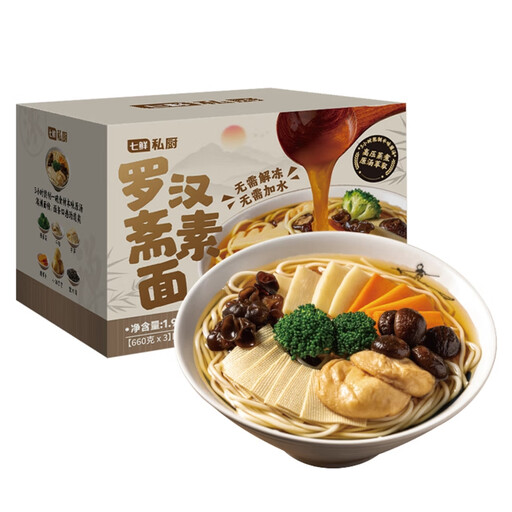
This three-pack option needs frozen storage and boiling from frozen, so it suits a later private meal only if that preparation is practical. A 660g pack does not by itself establish your serving size; check the calories for the portion you intend to eat.
You can consider one for your own later meal if you can keep it frozen and cook it according to its instructions. Without a suitable storage and cooking plan, choose a different refreshment format rather than treating the frozen meal as a cold snack.
Do not treat their names as interchangeable calorie limits. Tesco Groceries has an Under 500cal Meals frozen category, while M&S describes calorie-labelled Count On Us meals; compare the calorie figure and serving basis of the exact product you plan to eat.
If your activity is a new food business in England, Wales or Northern Ireland, GOV.UK states that you must register with the local authority at least 28 days before trading. Ask the authority responsible for your event how the rule applies to your particular setup, including a one-off event, before selling.
Plan facilities for the storage, temperature monitoring and preparation your operation requires. Food Standards Agency MyHACCP guidance identifies frozen-food storage and temperature monitoring as relevant controls; confirm the arrangements needed for your setup rather than assuming a transport bag is sufficient.
Keep the exact product’s ingredient and allergen information available. Food Standards Agency guidance says allergen-information requirements can apply to food served loose; check with the local authority what your serving format requires.