Families planning a weekly freezer top-up
If you are buying several dinners at once, count the portions each pack will provide and consider the freezer space it will occupy. A pack that looks large may still cover only part of one family meal.


For a large family shop, compare the portions your household would actually serve, then work out whether each frozen item makes a whole dinner or needs other components. A multi-portion ready meal suits a shared dinner when its serving count, cooking instructions and ingredients fit; separate components give you more flexibility over portions and sides. Individual ready meals can be useful when people eat at different times, but several packs should not be mistaken for one family-format meal.
If you are buying several dinners at once, count the portions each pack will provide and consider the freezer space it will occupy. A pack that looks large may still cover only part of one family meal.
Separate mains and sides let you assemble different plates, while a single ready meal fixes more of the menu. Check the ingredients and allergens on every exact pack, particularly when family members have different dietary requirements.
A frozen dinner is useful only if its instructions fit the appliances and time available on the night. Check how the whole meal will be cooked, not just its main component.
Decide which dinners need a shared ready meal, which can be assembled from components and which call for individual portions. Then compare packs within those roles rather than treating every frozen item as equivalent.
| Priority | What to check | Your needs |
|---|---|---|
| Meal coverage | Check the stated servings and net weight. Identify whether the pack is a complete ready meal, a main or a side, and what else the planned dinner requires. | I want to know how many people the finished dinner will feed, not just how much one pack weighs. |
| Portion flexibility | Compare a shared multi-portion meal with separate components or individual meals. The NHS notes that a manufacturer’s portion may differ from the portion you serve. | Some of us eat different amounts or at different times, so one fixed serving arrangement may not fit everyone. |
| Nutrition labels | Use per-100g figures to compare similar products, then read per-serving figures against the portion you expect to serve. The NHS identifies energy, fat, saturates, sugars and salt among the values shown on food labels. | When choosing several dinners, I want to compare the same label measures without overlooking the size of our actual portions. |
| Ingredients and allergens | Read the ingredients on the current pack, including emphasised allergens. Check each flavour or variant separately; a vegetarian or vegan description is not a substitute for an allergy check. | A meal needs to suit the people eating it, including anyone with an allergy, intolerance or particular food preference. |
| Cooking and storage | Check the exact cooking method, time and equipment for every component, plus the pack’s frozen-storage and reheating directions. Allow for what can fit in the appliance at once. | I need the whole dinner to work with the oven, hob, microwave or air fryer available that evening. |
Frozen shelves contain individual meals, family dishes, mains and sides. A pack of chicken or vegetables does not provide the same dinner coverage as a ready meal.
Plan the finished meal before shopping, marking which items supply the main, starch and vegetables and how many portions of each you will use.
A component may also call for sides or other ingredients that need space in the freezer and time to prepare.
Net weight and labelled servings answer different questions. Waitrose labels its 800g frozen pea and asparagus risotto as two servings, while Iceland’s dinner-for-four bundle contains several components with separate instructions.
Read the serving count alongside pack weight and your household’s usual portions. Check freezer space and cooking time before choosing a large-format meal.
Ingredients and allergen information can change. The Food Standards Agency says the 14 regulated allergens must be emphasised in the ingredients list of pre-packed food; Iceland also advises shoppers to check the actual product label.
For an allergy or intolerance, read the current physical pack for the exact product and flavour before preparing it.
Frozen products do not share one cooking method. Iceland’s frozen family-dinner and chicken-component listings give different instructions for their respective items.
Check each pack’s method and timing, then work out whether all the parts of dinner can be cooked with the equipment available.
These retailer examples show different meal formats to look for; judge any purchase by the details on its exact pack.
Tesco’s online frozen ready-meal shelf separates family meals, meals for two, children’s meals and vegetarian, vegan and free-from options.
The M&S frozen range lists larger dishes, including a 650g beef pie, a 700g fisherman’s pie and a 1kg salmon en croûte, alongside vegetarian and vegan choices.
Waitrose’s 800g frozen pea and asparagus risotto is labelled as two servings, with per-100g and per-serving nutrition and hob-from-frozen instructions.
Iceland lists both family-format frozen dinners and separate components, including burgers and chicken kievs.
These Joybuy options are components for assembling family dinners, rather than labelled complete family ready meals. Decide what each would accompany and how you would divide the finished meal before choosing a pack.
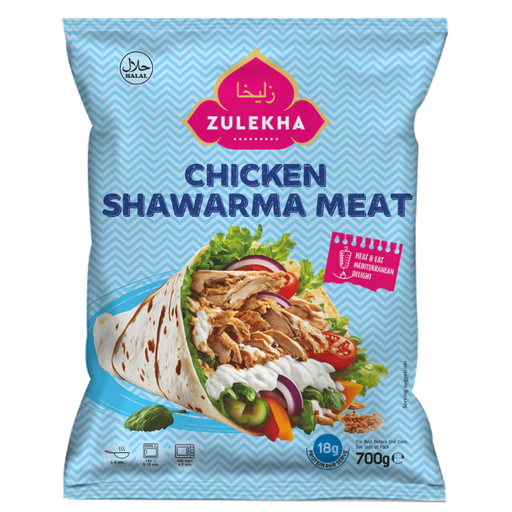 Image unavailable
This chicken component can be paired with other ingredients for a family dinner. The pack states 700g; decide what will accompany it, and check the current label for allergens and cooking directions.
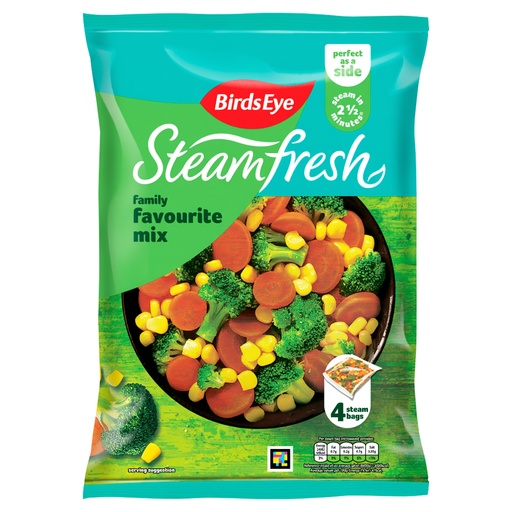 Image unavailable
This mixed-vegetable side can form one part of a planned family dinner, rather than the whole meal. The pack contains four steam bags and states 540g in total; follow its current preparation instructions.
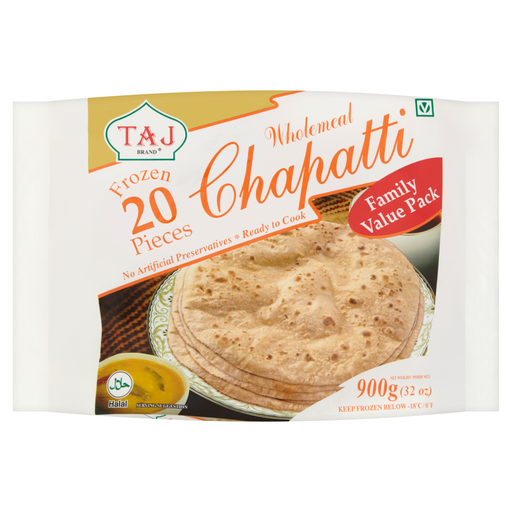 Image unavailable
These chapattis can accompany different family meals when you plan the other dishes separately. The pack states 20 pieces and 900g; check how many pieces you would serve per person and read the current ingredient and cooking information.
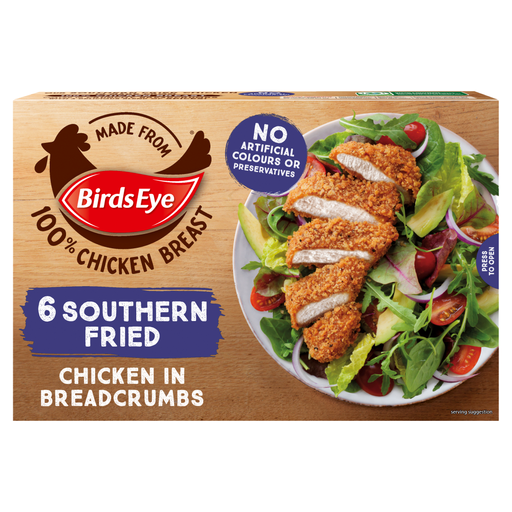 Image unavailable
Six separate chicken pieces allow you to plan portions alongside your choice of sides. The pack states 540g; check its current cooking instructions, ingredients and allergens before making it part of a dinner.
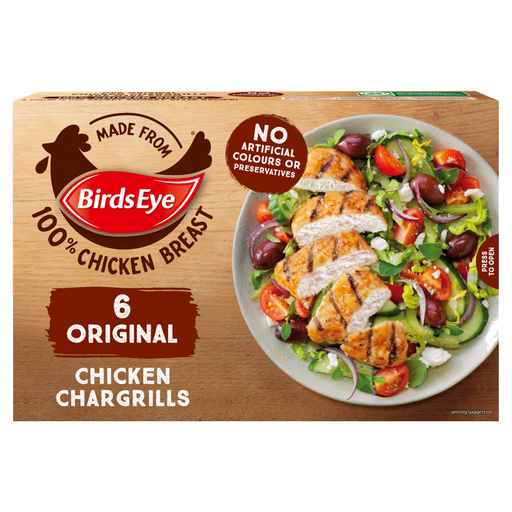 Image unavailable
These chicken portions can be used with separately planned accompaniments rather than treated as a complete dinner. The pack states six pieces and 510g; check the current label for cooking method, ingredients and allergens.
Start by comparing their meal roles and the portions you would actually serve. Check net weight and labelled servings, then note whether each pack is a complete meal or needs a main or sides; a heavier pack does not necessarily cover more finished dinners.
Not necessarily: the stated number of servings reflects the maker’s portions, which may differ from yours. Waitrose labels its 800g frozen pea and asparagus risotto as two servings; compare that information with the number eating and anything you plan to serve alongside it.
Compare per-100g figures between similar meals, then check per-serving figures against the amount you expect to serve. NHS food-label guidance covers values including energy, fat, saturates, sugars and salt, and cautions that a manufacturer’s portion may differ from your own.
Use the online listing to help plan, but check the current physical pack before preparing or eating the food. The Food Standards Agency says regulated allergens must be emphasised in the ingredients list of pre-packed food, while retailer listings warn that product information can change.
No; use the methods and timings given for the exact product. Iceland’s frozen-food listings show different instructions across family-dinner components and individual items, so do not transfer an air-fryer timing from another pack or appliance.