Budget shoppers seeking a frozen main meal
Compare nutrition per 100g and for the amount you expect to eat, rather than relying on the wording on the front of the pack.


For a budget shop, compare total fat and saturates per 100g before deciding whether a frozen meal meets your aim: calorie-controlled wording alone does not answer that question. Then check the figures for the amount you will eat, the pack size, salt and cooking instructions.
Compare nutrition per 100g and for the amount you expect to eat, rather than relying on the wording on the front of the pack.
Check saturates separately from calories and total fat. A calorie-controlled label does not establish how much saturated fat a meal contains.
Choose a pack size that suits your portion, and check the exact meal’s instructions against the microwave or oven you have available.
Start with the nutrition values, then check the portion and preparation details that affect whether the meal works for you.
| Priority | What to check | Your needs |
|---|---|---|
| Fat and saturates | Compare both values per 100g, then calculate what the amount you will eat contains. NHS food-label guidance describes 3g or less total fat and 1.5g or less saturates per 100g as low. | I want to assess fat and saturates separately, not assume that a calorie-controlled meal meets either aim. |
| Portion size | Check the pack weight and whether nutrition is also shown per serving. Make sure that serving matches the amount you intend to eat. | A larger pack may suit a different meal plan; I need figures for the portion I will actually have. |
| Salt and preparation | Read salt per serving, the allergen declaration and the cooking instructions for the exact product. Check the required appliance and settings. | My meal needs to work with my kitchen equipment, while letting me check salt and ingredients that matter to me. |
Calories, total fat and saturates are different label measures. A calorie-controlled meal may not meet your particular fat criterion.
Compare total fat and saturates per 100g, then check the figures for the amount you will eat.
Waitrose lists 1.80g salt per serving for Birds Eye Get Real Protein Thai Red Chicken Curry, despite its low-saturated-fat claim.
Read the salt value alongside fat and saturates rather than using one front-of-pack claim to judge the whole meal.
Preparation methods differ by product: Iceland lists both oven and microwave instructions for its Slimming World Beef Lasagne.
Check the exact pack’s appliance requirements, timings and allergen declaration before preparing the meal.
Tesco lists Calorie Controlled Chicken Tikka Masala and Lasagne in its frozen under-500-calorie category.
Waitrose lists Birds Eye Get Real Protein Thai Red Chicken Curry among its frozen ready meals.
Iceland describes frozen ready meals in its Slimming World range and lists a 550g Slimming World Beef Lasagne.
M&S describes its Count On Us dishes as calorie controlled.
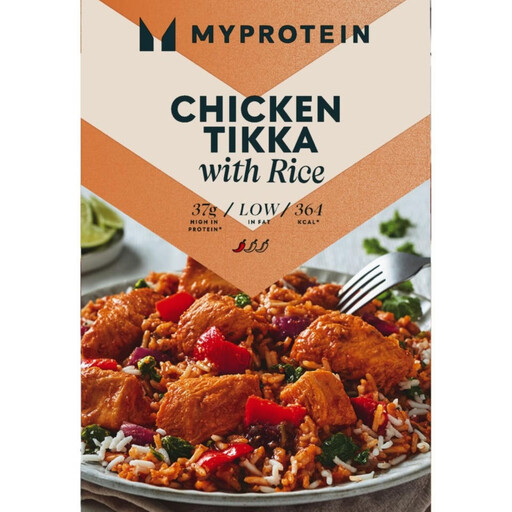
This chicken tikka option offers a 350g pack to assess against your intended portion and nutrition priorities.
 No image available
If a 350g chicken tikka suits your intended portion, compare its fat and saturates per 100g and check the pack’s allergen declaration and cooking instructions.
No. Calories and fat are separate label measures. NHS food-label guidance describes 3g or less total fat and 1.5g or less saturates per 100g as low; check both figures on the meal you are considering.
Start with the amount you intend to eat. Compare nutrition per 100g for a consistent measure, then check what your portion contains; do not assume that both packs represent the same serving.
No. Waitrose lists Birds Eye Get Real Protein Thai Red Chicken Curry as low in saturated fat, while also listing 12g total fat and 1.80g salt per serving. Check each measure that matters to your choice.
Check the exact product’s instructions before choosing it. Iceland provides both oven and microwave instructions for its Slimming World Beef Lasagne, but those timings should not be applied to another meal.
Read the allergen declaration on the exact pack before buying and again before preparing it, particularly if you have an allergy or intolerance. Do not assume that meals in the same range have identical ingredients.