Watching on your own
A single frozen main lets you assess one meal rather than assemble several dishes. Check the nutrition for the whole pack if you intend to eat it all.


Choose an individual frozen meal if you want dinner with little assembly during the match; choose a frozen snack for sharing, or a meat-free component if you want to build the dish yourself. Whichever route fits, compare total fat, saturated fat, salt and calories for the amount you will eat. A low-saturated-fat claim does not tell you whether total fat is low.
A single frozen main lets you assess one meal rather than assemble several dishes. Check the nutrition for the whole pack if you intend to eat it all.
Frozen finger food can be shared during a match. Work out portions and check dips, sides and each guest’s allergen requirements separately.
Check the dietary designation of the exact product, then read its current ingredients and allergen wording. Meat-free does not mean allergen-free.
Decide whether you need a whole meal, a sharing snack or a component to cook, then compare labels for the portion you plan to serve.
Choose it when: You want a main meal without preparing separate components during the match.
Bear in mind: The whole pack may be your portion, so its per-serving figures matter as well as the per-100g figures.
Choose it when: Guests want food they can portion out while watching.
Bear in mind: A snack is not a complete meal, and dips and sides change what each person eats.
Choose it when: You want to assemble a vegetarian or vegan dish and can prepare its other ingredients.
Bear in mind: The finished dish depends on the sauce, sides and portion, not just the frozen component.
| Priority | What to check | Your needs |
|---|---|---|
| Fat claims | Identify whether the label refers to total fat or saturated fat. Compare similar foods per 100g; the NHS low-fat guide for foods is 3g total fat or less per 100g, while its low-saturated-fat guide is 1.5g saturates or less per 100g. | I want to know whether a claim concerns the nutrient I am comparing, rather than treating “reduced fat”, “low in saturated fat” and “calorie controlled” as interchangeable. |
| Whole portion | Check the stated serving size against the amount you will eat. Read calories and salt for that portion as well as per 100g, especially when one pack is one meal. | If I eat the whole ready meal, I need the figures for the whole pack; snacks, sauces and drinks are separate parts of the occasion. |
| Sharing amounts | Check how many pieces make up the stated serving, then account for the number served per person. Read labels on dips and sides separately. | For a sharing plate, I want to judge the food people will actually serve themselves, not just the frozen snack on its own. |
| Guests and allergens | Read the current pack’s ingredients, highlighted allergens and any precautionary wording. Check vegetarian or vegan suitability separately from allergen suitability. | When guests have different requirements, I need to check the exact packs before serving them. |
| Preparation | Check whether the product is cooked from frozen, which appliance it requires and its pack-specific cooking and storage directions. | I need a cooking method that fits the time and equipment available during the match. |
A claim about saturated fat does not establish that total fat is low. A reduced-fat claim compares fat with a similar food, while a calorie-controlled range name addresses a different measure.
Identify the nutrient named, then compare total fat, saturates, salt and calories on both a per-100g and planned-portion basis.
Per-100g values help compare similar products, but they are not necessarily the values for the whole meal or the number of snacks served.
Check the stated serving size and calculate which pack or portion figures apply to the amount you intend to eat.
Vegetarian and vegan designations describe dietary suitability, not the absence of ingredients that a guest needs to avoid.
Read the current pack’s ingredients, allergen statements and precautionary wording for every product you plan to serve.
Nuggets or mince may be part of the occasion, but they do not account for the nutrition or preparation of a complete dish.
If you need a ready-to-serve main, compare individual meals. If you are assembling food, consider the portions, sauces and sides together.
A range name can help you browse, but the label on the exact frozen product is what you need for a nutrition and allergen comparison.
Waitrose & Partners lists individual frozen ready meals, including 400g lasagne and cottage pie products.
Marks & Spencer has a frozen ready-meals category and separately describes its Count On Us dishes as calorie controlled.
Iceland Foods lists frozen meat-free products, including Quorn snacks and The No Meat Company mince.
Quorn appears in frozen snack and mince formats; Iceland Foods describes its 300g Crispy Nuggets listing as suitable for sharing.
These options cover an individual frozen main, vegetarian sharing nuggets and a chicken-burger component for an assembled meal. They are different serving formats, not interchangeable reduced-fat claims.
 No image available
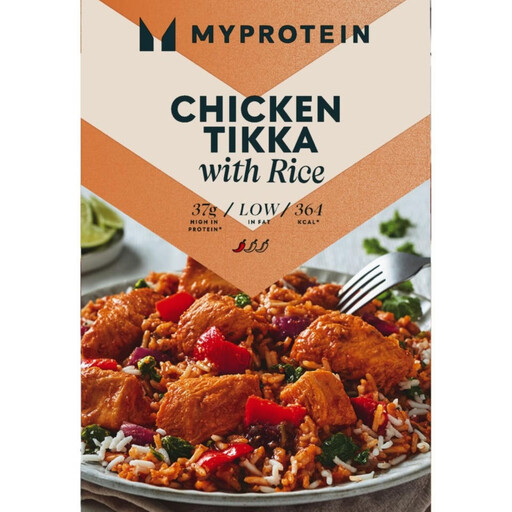
For an individual main during the match, compare the fat, saturates and salt for the full 350g pack as well as per 100g. Check the current ingredients and allergen information before serving.
 No image available
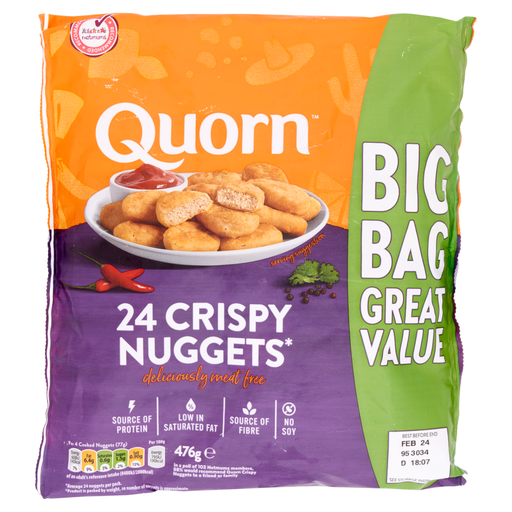
For a sharing snack, decide how many nuggets to serve per person and compare nutrition for that amount, including any dips. Check the allergen wording on this 476g pack rather than relying on information for another pack size.
 No image available
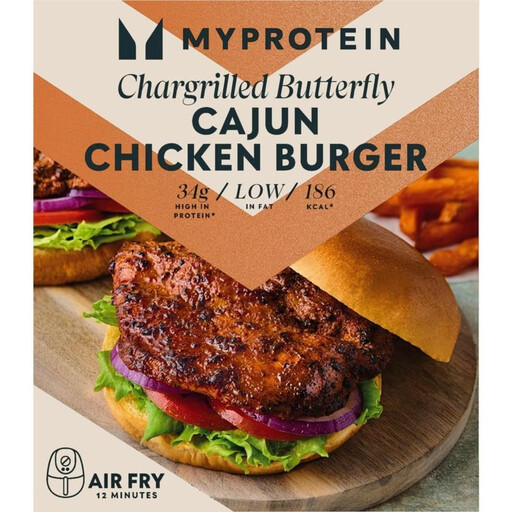
These burgers are a component for a hot meal, not a complete ready meal. Check the nutrition for the portion served and include buns, toppings and sides when comparing the assembled meal.
No. “Reduced fat” compares fat with a similar food; it does not by itself say the meal meets the NHS guide for low total fat in foods of 3g or less per 100g. Check the total-fat figure on the exact pack.
Use both. Per-100g figures help compare similar products, while the figures for the portion you will eat show the amount from that meal. Check whether the stated serving matches your planned portion.
Not necessarily. The NHS gives separate per-100g guides for saturated fat and total fat. Read both figures, then check the portions and any dips or sides served with the snack.
Follow the storage and cooking directions on each pack. Check the required appliance and whether the instructions call for cooking from frozen, stirring or standing before serving; do not apply one product’s cooking time to another.
Not automatically. Vegetarian and vegan labels do not replace an allergen check. Read the ingredients and allergen wording on the current pack of every product you plan to serve.