Solo shoppers comparing total fat
If you usually eat the whole ready-meal pack, compare fat per 100g between similar meals and check the figure for the full pack. The NHS food-label guidance defines low fat as 3g of total fat or less per 100g.


For a frozen meal for one, compare total fat per 100g across similar meals, then check the figures for the amount you will eat. A low-fat statement is a useful starting point, but neither a calorie-controlled label nor a small pack proves that a meal is low in fat; check saturated fat, salt, allergens and cooking instructions on the current pack too.
If you usually eat the whole ready-meal pack, compare fat per 100g between similar meals and check the figure for the full pack. The NHS food-label guidance defines low fat as 3g of total fat or less per 100g.
A frozen meal with a stated calorie limit can help narrow your choices, but it does not establish that the meal is low in fat. Tesco lists 350g Calorie Controlled meals in its frozen under-500-calorie category; compare their current labels before choosing one for a reduced-fat purchase.
Individual packs make it easier to plan how many meals to store. Check the space available before buying several, and choose a pack size you expect to eat rather than assuming every meal-for-one portion suits you.
Start with comparable nutrition figures, then check whether the whole pack, storage needs and cooking directions fit the meal you are planning.
| Priority | What to check | Your needs |
|---|---|---|
| Total fat | Compare similar meals per 100g; NHS guidance defines low fat as 3g or less per 100g. Check the full-pack figure and number of stated servings as well. | I expect to eat the whole pack, so its total matters alongside the per-100g comparison. |
| Other label figures | Read saturated fat and salt per 100g and for the amount you will eat. NHS guidance classifies more than 5g of saturated fat or 1.5g of salt per 100g as high. | A lower total-fat figure is not my only consideration; I want to compare saturates and salt between meals too. |
| Portion and storage | Check pack weight, stated servings, the number of packs you plan to buy and the freezer space they require. | Will these meals fit in my freezer, and is each pack an amount I plan to eat at one sitting? |
| Preparation and ingredients | Check the current pack for allergens, ingredients, storage directions and cooking instructions for your appliance, including any stated wattage or standing time. | I need a meal I can prepare using my appliance, with ingredients and allergen information I can check before eating. |
A calorie figure and a total-fat figure answer different questions. Tesco’s frozen under-500-calorie listing identifies meals to compare, but does not establish that each one is low in fat.
Use the category to make a shortlist, then compare total fat per 100g and for the pack on each current label.
In its 2025 assessment of 1,511 chilled and frozen ready meals from 11 major UK retailers, Action on Salt & Sugar classified 56% as high in salt and 42% as high in saturated fat. A total-fat comparison does not replace those separate label checks.
Compare saturated fat and salt on the same per-100g basis, then check the figures for the amount you will eat.
A 350g or 400g meal may be intended as a convenient individual pack, but its weight alone says nothing about its fat or salt content.
Check the stated servings and nutrition for the full pack if that is the amount you plan to eat.
Freezer capacity limits how many individual meals you can store. Ingredients, allergen details and preparation directions also need checking on the product you receive; Iceland advises that its published product information can change.
Check storage space before buying several packs, and follow each meal’s current cooking and defrosting instructions.
These ranges offer different starting points for comparing frozen meals; their range names do not establish the fat content of every product.
A product-level low-fat statement is available for Slimming World Free Food Lunch Bowls Pasta Bolognese 400g, according to Iceland’s listing.
Tesco’s frozen under-500-calorie category lists 350g Calorie Controlled Chicken Tikka Masala and Lasagne as meals to compare.
M&S describes Count On Us as calorie controlled and lists frozen ready meals separately, including products in 270g and 400g packs.
Waitrose lists several 400g frozen ready meals, including Beef Lasagne, Cottage Pie and Vegetable Lasagne.
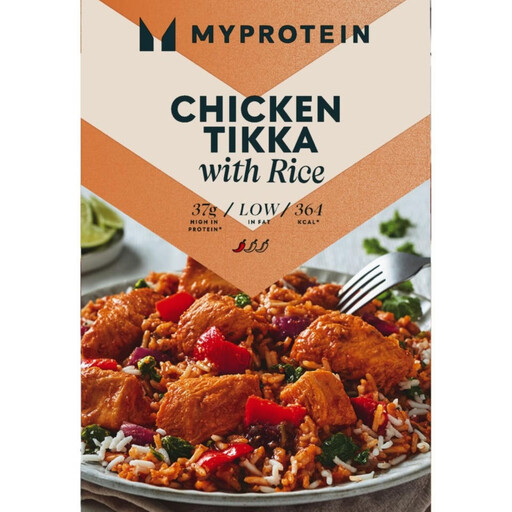
This 350g frozen meal is an option for an individual meal. Use its current pack label to compare fat, saturated fat and salt with other meals you are considering.
 No image available
The 350g frozen meal is described by Joybuy as suitable for microwave cooking from frozen. For a reduced-fat comparison, check the current pack’s total fat per 100g and per pack, alongside saturated fat, salt, allergens and the exact cooking directions.
Compare total fat per 100g across similar meals, then check the figure for the full pack if you will eat it all. NHS food-label guidance defines low fat as 3g of total fat or less per 100g; check the pack’s stated number of servings rather than assuming it contains one.
No. A calorie limit does not tell you whether a frozen meal meets the NHS low-fat label threshold. Check its total fat per 100g, along with saturated fat and salt, before comparing it with another meal.
Compare saturated fat and salt per 100g and for the amount you will eat. NHS guidance classifies more than 5g of saturated fat or 1.5g of salt per 100g as high, so a lower total-fat figure does not settle those separate comparisons.
Use the listing to shortlist meals, but read the actual pack before cooking or eating. Iceland advises that ingredients, nutritional content and allergy information published online can change.
Follow the instructions for the specific meal rather than applying one rule to every product. Iceland’s listing for Slimming World Free Food Lunch Bowls Pasta Bolognese 400g says to use it within 24 hours once defrosted and not to refreeze it; check your chosen pack for its own directions.