Solo shoppers counting meal calories
If you expect to eat the whole pack, use its whole-pack calories rather than a per-100g or smaller stated portion figure. The NHS notes that a manufacturer’s portion may differ from the amount you eat.


Choose a frozen meal by the calories in the amount you will actually eat, then check its serving count, protein-containing ingredients, vegetables, salt and saturated fat rather than relying on an under-500-calorie category alone. If you add a side, include it in the meal’s total; a category label cannot tell you whether an individual meal fits your plan.
If you expect to eat the whole pack, use its whole-pack calories rather than a per-100g or smaller stated portion figure. The NHS notes that a manufacturer’s portion may differ from the amount you eat.
A frozen ready meal can be straightforward to keep at home, but compare the stated serving size, calories, salt and saturated fat on each product rather than choosing by the range name.
Check whether the meal contains protein and vegetables, and whether you intend to add anything alongside it. NHS guidance advises including protein in each meal and aiming for two or more portions of vegetables in a main meal.
Start with the amount you expect to eat, then compare the nutrition and ingredients of meals that could serve the same purpose.
| Priority | What to check | Your needs |
|---|---|---|
| Calories eaten | Find the kcal per portion or per 100g, the stated serving count and the amount you plan to eat. The NHS cautions that the stated portion may differ from yours. | If I will eat the whole pack, I want to count the whole pack, not just the figure for 100g. |
| Meal components | Check the ingredients for protein-containing foods and vegetables. If you plan a side, include it when considering the whole meal. | I want to know what the meal contains beyond its calorie figure, particularly if I would add vegetables alongside it. |
| Salt and saturated fat | Compare the nutrition panels of products with a similar serving role; use traffic-light labels where shown, without treating one colour as a verdict on the entire meal. | I want to compare more than calories. In the Food Standards Agency and Ipsos Northern Ireland’s survey of 611 people interviewed between September and November 2024, 49% said they actively used traffic-light labelling when shopping for food; that figure covers food shopping generally, not frozen meals specifically. |
| Servings | Confirm the stated number of servings and pack weight. Retailer frozen-meal ranges include both individual meals and larger products. | When shopping for one, I need to know whether the pack is intended for one meal or will leave another portion. |
A calorie bracket does not tell you how much protein or vegetable content a particular meal has, or show its salt and saturated fat at a glance.
Use the category to narrow your options, then read the chosen product’s serving and nutrition information.
Frozen ranges include both individual meals and larger products, so the category name alone does not establish the portion you will eat.
Check the serving count and pack weight, then work out calories for your intended portion.
A multi-serve pack also leaves another portion to store or use if you eat only part of it.
Ingredients and allergen information can change when a product is updated.
If an ingredient matters to you, read the current pack label before cooking and follow its cooking and storage instructions.
Tesco Groceries lists an “Under 500cal Meals” category within its frozen ready-meal range, alongside other types of frozen meal.
Waitrose & Partners lists frozen meals including 400g lasagne, cottage pie and chilli con carne with rice.
Marks & Spencer lists frozen ready meals of different sizes, including individual 270g fish pies and larger pies.
This 700g frozen ramen is an option to assess as a meal for one: check how much you intend to eat and use the pack’s nutrition information for that amount.
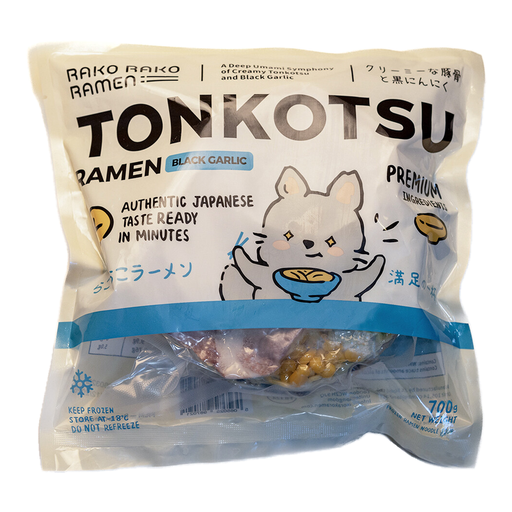 Image unavailable
For a planned solo meal, compare the calories and salt in the amount of this 700g ramen you intend to eat. Read the current pack for serving, allergen and cooking information.
No. The category gives you a calorie bracket, but check the calories for the amount you will eat, the serving count and the product’s ingredients and nutrition panel. An under-500-calorie label does not describe every aspect of the meal.
Use whole-pack calories if you intend to eat the whole pack. Per-100g figures can help compare products, but the NHS notes that a manufacturer’s stated portion may differ from the amount you actually eat.
You can consider serving vegetables alongside it and include the side when assessing your total meal. NHS guidance advises aiming for two or more portions of vegetables in a main meal and including protein in each meal.
Read the current pack’s ingredient and allergen information before preparing the meal, especially if you have an allergy or intolerance. Product information can change, so do not rely solely on an earlier online listing.