Cooking a fakeaway for one
If you want dinner without opening a sharing pack, start with a complete main and check its stated servings. Match its cooking directions to the time and appliance you have.


Choose a complete frozen main if you want fewer components to prepare for dinner for one. An elaborate tray suits an evening when its contents and cooking directions appeal; a main with separate sides gives you more choice over the meal, but means checking each pack’s portions and cooking instructions.
If you want dinner without opening a sharing pack, start with a complete main and check its stated servings. Match its cooking directions to the time and appliance you have.
A frozen standby is easier to plan around when you know how much is in the pack and whether you will use it in one meal. Check the serving information rather than relying on the tray’s appearance.
Cuisine names do not tell you which allergens a recipe contains. Read the current pack’s ingredient list, allergen information and any precautionary statements before choosing a meal.
Decide whether you want one main or a meal assembled from several packs, then check servings, cooking directions and ingredients for the exact products you choose.
| Priority | What to check | Your needs |
|---|---|---|
| Portion and format | Look for stated servings as well as pack weight. Check whether the pack is a complete main, several components or a dish you would want to serve with something else. | I’m cooking for one and would rather not open a sharing pack. A single tray is useful only if its contents suit the dinner I have in mind. |
| Cooking method | Match the exact pack’s microwave wattage, oven or air-fryer directions to your appliance. Read any separate instructions for stirring, standing or individual components. | If I have little time, I want a method I can follow with the appliance available tonight, not just a short headline cooking time. |
| Cuisine and variety | Read the dish description to see what the main contains. If adding sides or snacks, check their portions and cooking directions separately. | One dish may be enough for my fakeaway night; on another occasion, I might prefer to choose the sides myself. |
| Ingredients and nutrition | Check the current pack’s ingredients, allergens and precautionary statements. Compare nutrition on the same basis, such as per 100g, then consider the stated serving or whole pack. | I need to know what is in the meal before choosing it, particularly if an ingredient or allergen matters to me. |
A frozen ready-meal range can include both smaller trays and packs intended for sharing. Pack weight alone does not tell you whether the meal fits your appetite.
Check the stated servings and what the tray contains, then decide whether you want a side.
Recipes within the same cuisine can declare different allergens. Iceland’s listed Chinese-style meals include examples declaring wheat, soya, sesame, egg, barley, mustard, celery or milk, depending on the product.
Read the current physical pack’s ingredients, allergen information and precautionary statements. Do not use the cuisine name or an older online listing as a substitute.
Iceland lists frozen trays with 9- or 10-minute directions for an 800 W microwave, while other products or components have different appliance directions. A method shown for one item should not be assumed to cover the whole meal.
Check every pack’s instructions against the appliances and time you will have that evening.
These retailer ranges offer different places to look for a meal for one, but the individual product page and pack determine whether a dish fits your plan.
Tesco groups frozen ready meals by cuisines and dietary categories, which can help narrow down a main for fakeaway night.
Iceland has frozen ready-meal, cuisine and frozen-snack categories that can be used to find either one main or separate components.
Waitrose has a Meals for One range, though the cited range is principally chilled rather than a dedicated frozen fakeaway-for-one selection.
M&S lists frozen ready meals including pies and seafood dishes, rather than only takeaway-style trays.
These options cover a frozen soup meal and soup dumplings that could form part of a fakeaway-style dinner. Check the serving guidance if you are cooking for one.
 No image available
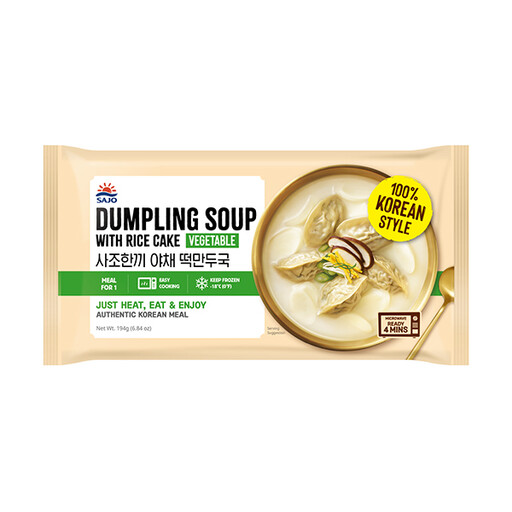
For a one-dish option, this 194g soup combines rice cakes, vegetable dumplings and broth; its stated preparation is boiling from frozen. Check the pack’s serving guidance against your appetite. The product description identifies wheat, soya, sesame and sulphites, as well as possible traces of eggs, milk, crustaceans and fish; read the current pack’s allergen information.
 No image available
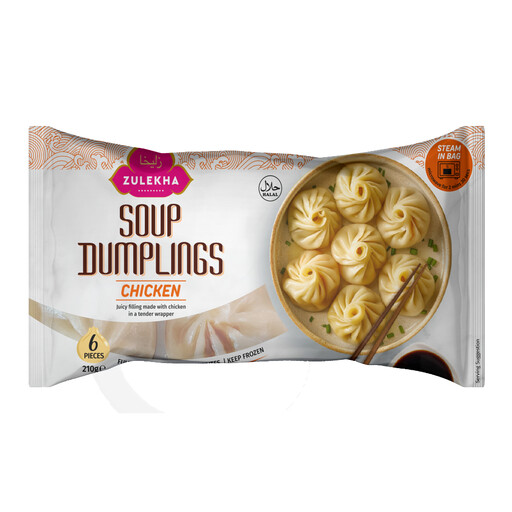
These 210g chicken soup dumplings could be one component of a fakeaway-style dinner rather than a complete rice-or-noodle main. If you plan to microwave, steam or pan-cook them, follow the pack’s directions for that method. Check its serving guidance and whether you want a side; the product description identifies wheat, sesame and soya, so read the current pack’s allergen information.
Only if its manufacturer’s instructions say to cook it from frozen. GOV.UK guidance says food should otherwise be fully defrosted before cooking; follow the pack’s appliance, stirring and standing directions as well as its cooking time.
Use a method printed for the exact product and, for a meal with several components, check each component’s directions. Microwave, oven and air-fryer instructions are not interchangeable, even when products appear in the same ready-meal range.
Start with the stated servings, then consider the pack weight and whether it contains a complete main or needs a side for the dinner you want. A single tray or a dish labelled with a cuisine name does not, by itself, settle portion suitability.
Read the current physical pack’s ingredient list, allergen information and precautionary statements each time you choose a product. Recipes differ, and an online description may not reflect the pack in front of you.
Put them in the freezer promptly and follow the storage instructions on each pack. GOV.UK home-food-safety guidance recommends a freezer temperature around −18°C; the cited Iceland frozen-meal packs specify −18°C or colder.