Couples self-catering a small reception
If you are considering individual frozen meals, count how many packs must be stored, cooked and ready together. For self-service, sharing formats can reduce the number of separate packs you need to handle.


Frozen meals for one make more sense for individually plated guests or a small number of planned fallback meals than as the main food at a self-service wedding buffet: each pack needs its own storage, cooking and serving plan. For several guests, consider sharing dishes or party-food formats, then check cooking capacity, hot-food service and the exact packs’ allergen information before ordering.
If you are considering individual frozen meals, count how many packs must be stored, cooked and ready together. For self-service, sharing formats can reduce the number of separate packs you need to handle.
A meal for one can serve a planned individual portion when its ingredients and cooking directions meet that guest’s needs. Check the exact pack rather than relying on the dish name.
For a larger guest list, decide whether your venue, equipment and helpers can manage storage, cooking and serving in batches. A caterer or staffed service is an option if that plan is beyond what you can manage.
Choose the serving format first, then work backwards from the number of guests and the equipment available at the venue.
| Priority | What to check | Your needs |
|---|---|---|
| Serving format | Check whether each pack is intended as an individual meal, a meal for two or food to share. Plan portions from the actual pack information, not weight alone. | Will guests collect food from a buffet, or am I serving separate plates? I only need meals for one where individual portions are part of the plan. |
| Cooking capacity | Count packs per cooking batch and check the pack directions against the venue’s freezer, oven, microwave or other required equipment. Allow for food to reach service in time. | I need enough space and time to prepare the food for several guests without leaving later batches waiting to be served. |
| Hot-food service | Plan suitable hot-holding equipment or controlled display times. Food Standards Agency caterer guidance says hot food should be held at 63°C or above; where hot holding is not possible, it describes a single display period of up to two hours. | If guests arrive or queue at different times, how will I keep track of when each hot batch goes out? |
| Ingredients and allergens | Read the current label of every exact product and any substitution. Keep ingredient information accessible during service; M&S advises that product information can change. | I want to answer guests’ ingredient questions using the packs actually served, rather than guessing from a dish name. |
Every individual pack adds a separate storage, cooking and serving task. Tesco and Waitrose list 400g frozen meals, while Waitrose also lists meals for two and M&S describes frozen food intended for sharing.
Reserve individual packs for meals you intend to plate separately. For the main self-service spread, plan quantities and serving dishes around formats guests can share.
A pack-per-guest plan can also take more freezer space and helper time.
Guests may take food over an extended period, so the first batch cannot simply be left out while later batches cook. Food Standards Agency caterer guidance specifies hot holding at 63°C or above and a limited, one-time display procedure when that is not possible.
Decide how each batch will be held or timed before service starts. Use suitable equipment where needed, note when food goes out and keep newly cooked batches separate from food already on display.
Ingredients and allergen information can change, as M&S notes in its product guidance. A name such as vegetable lasagne does not give guests the full ingredient list.
Check the current label for each exact pack, including substitutions, and keep that information available to whoever serves the food. Ask guests about their requirements rather than inferring them.
These retailer ranges show different pack and serving formats; a retailer’s inclusion here does not establish that a particular item will suit your guests or venue.
Tesco lists frozen individual ready meals, including 400g dishes, alongside branded meals for one.
Waitrose lists frozen 400g dishes as well as 800g meals for two, making the difference between individual and larger packs easy to consider.
M&S describes frozen party food, pizzas, flatbreads and doughballs for gatherings, offering formats to consider alongside ready meals.
These frozen assortments, savoury bites and noodle packs are options to consider alongside a shared wedding-buffet menu. They are not a list of individual plated meals; plan the rest of the menu and check each pack’s preparation directions and guest suitability.
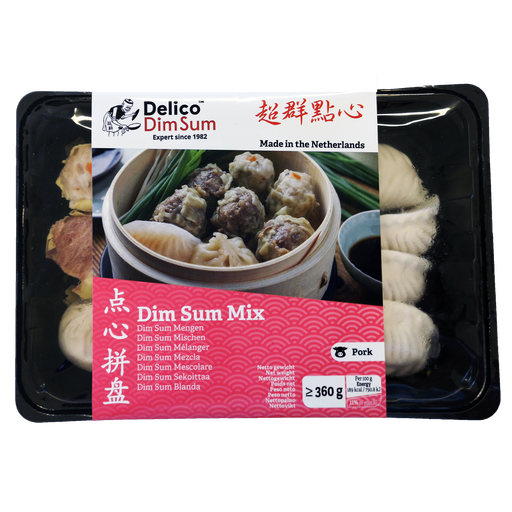 No image available
Consider this assortment as part of a spread of smaller dishes, not as a complete meal for each guest.
The pack is 360g. Check its label for ingredients, allergens and cooking directions before planning batches.
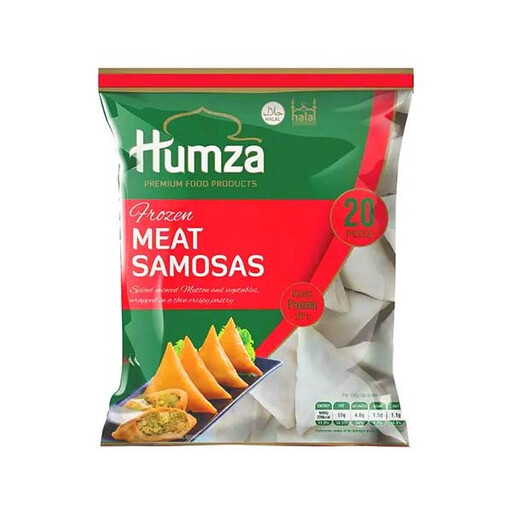 No image available
The stated 20-piece pack gives you a count for planning savoury bites, rather than individual main meals.
It weighs 650G. Check the pack for cooking instructions and allergens, and plan how cooked batches will be served.
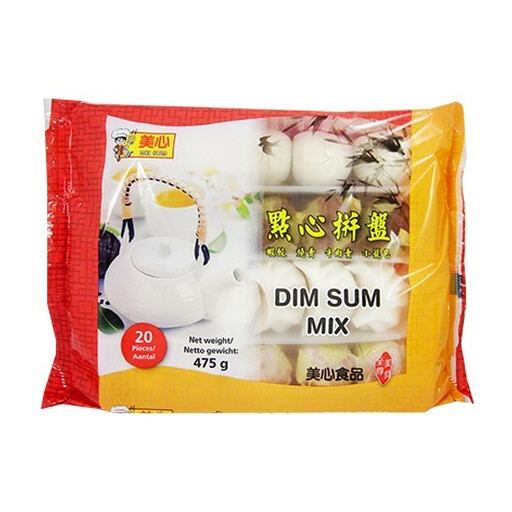 No image available
A mixed dim sum platter can be considered for a buffet of smaller dishes, with other food planned if guests need a full meal.
The platter is 475g. Check the pack for its piece count, allergens and cooking directions before estimating quantities or preparation time.
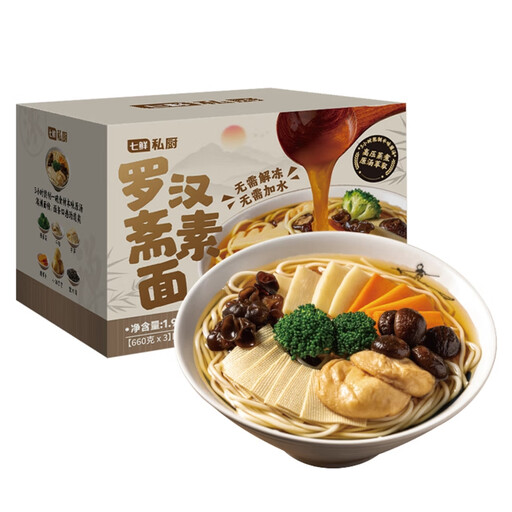 No image available
Consider this larger-format noodle option only if your buffet plan includes suitable cooking and serving space.
The stated total is 1.98kg across three 660g packs; check the pack for serving yield, ingredients and preparation directions rather than assuming how many guests it feeds.
 No image available
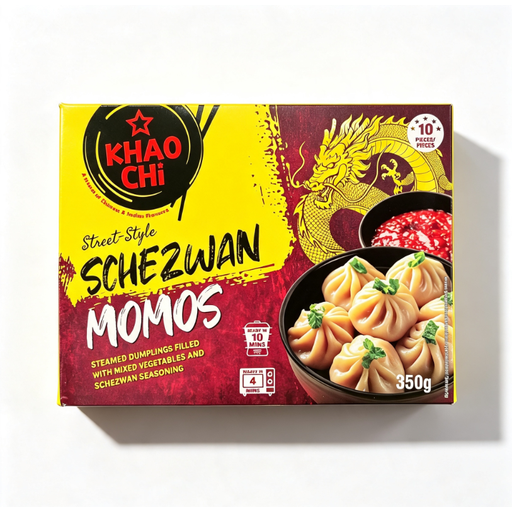
These momos are an option to consider among smaller buffet dishes, rather than counting the pack as a guest’s main meal.
The pack is 350g. Check its cooking method, serving yield and allergen label before including it in the menu.
They are more practical for individually plated meals or a few planned fallback portions than for a multi-guest self-service buffet. Each pack needs separate storage, cooking and service; meals for two and sharing or party-food formats offer other ways to plan the main spread.
Plan the equipment and timing before cooking. Food Standards Agency caterer guidance says hot food should be held at 63°C or above; if hot holding is not possible, it describes putting food on display for up to two hours on one occasion. Track each batch rather than assuming food can remain out throughout the reception.
Read the current label for every exact product and substitution, then keep its ingredient information available during service. M&S notes that product information can change, so a dish name or an earlier menu plan is not a substitute for the packs being served.
Only plan this where the exact product directions and your storage and service arrangements allow it. Food Standards Agency reheating guidance says food must be reheated thoroughly through to the centre, not merely warmed, and advises reheating only once.