Households eating one shared dinner
A larger frozen main is worth considering when everyone can eat the same dish and the pack’s stated servings cover the group. Check whether it needs sides or another portion.


Choose one larger frozen ready meal when everyone can eat the same dish and its stated servings cover the people at the table. Individual portions make more sense when appetites or dietary needs differ; separate frozen components give you more choice for snack-style plates, but each item needs its own cooking and label checks. A dish described as a family meal is not a substitute for checking its serving count.
The useful distinction for half term is whether the household will eat together, need different portions or assemble food at different times.
A larger frozen main is worth considering when everyone can eat the same dish and the pack’s stated servings cover the group. Check whether it needs sides or another portion.
Individual meals or smaller children’s portions allow adults and children to have different dishes. Compare the exact ingredients and serving information rather than relying on the range name.
Separate mains, vegetables and sides can be combined for snack-style plates or staggered mealtimes. Check the quantity and cooking instructions for every component.
Start with the number of people eating and whether they need the same dish; then compare labels and preparation across the formats that fit.
Choose it when: Everyone can eat the dish together and its stated servings cover the household.
Bear in mind: One shared dish offers less choice when people need different flavours or ingredients.
Choose them when: Adults and children need different dishes or only some people are eating.
Bear in mind: Separate packs may have different cooking instructions and create more packaging.
Choose them when: Snack-style plates or staggered mealtimes make a mix of items more useful than one dish.
Bear in mind: Several items take more planning and may need different cooking methods.
| Priority | What to check | Your needs |
|---|---|---|
| Portions | Read the stated servings and pack weight. Decide whether a main, sides or additional portions are needed. | I need enough for the people eating, whether we share one dish or serve separate plates. |
| Ingredients | Check the exact variant’s ingredients and emphasised allergens. Repeat the check if the flavour, size or recipe changes. | Different people may need different dishes, and a dietary range label is not enough for my household. |
| Nutrition labels | Compare figures per 100g and, where shown, per portion. Check salt, saturated fat, sugars and other values relevant to the meals you are comparing. | I want to compare like with like, then see what the portion I plan to serve represents. |
| Preparation | Check each pack’s cooking method, time and equipment instructions. For several components, work out whether they can be prepared together. | On a busy half-term day, I need the meal to fit the equipment available and the time people will eat. |
Retailer ready-meal categories include dishes for one, for two and larger groups. A single pack may still need sides or another main.
Check the stated servings and pack weight against the people eating before deciding what else to prepare.
In its May 2025 review of 1,511 chilled and frozen ready meals from 11 major retailers, Action on Salt & Sugar classified 56% as high in salt and 42% as high in saturated fat. Those figures describe the meals assessed, not every product on sale.
Compare the labels of the specific meals you are considering. NHS guidance identifies more than 1.5g of salt or more than 5g of saturated fat per 100g as high.
Ingredients and allergens depend on the exact product and variant; a familiar name does not establish what is in the pack.
Read the selected pack’s ingredient and emphasised allergen information, particularly when changing flavour or pack size.
These retailer listings illustrate different meal formats; check the current product and its serving information when choosing a dish.
Tesco Groceries shows both a frozen family-meal category and a separate family-dinner bundle built from frozen components.
M&S lists larger frozen dishes and has a separate children’s ready-meal range.
Waitrose & Partners lists frozen individual meals alongside selected dishes described as for two.
Sainsbury’s frozen ready-meal category separates cuisines and types of meal, including a children’s section.
Iceland has a dedicated frozen family-ready-meal category as well as a broader frozen ready-meal range.
These options cover dumplings and dim sum for snack-style plates, plus a multi-pack noodle meal. Compare their quantities with the people eating rather than treating every pack as a family-size dinner.
 No image available
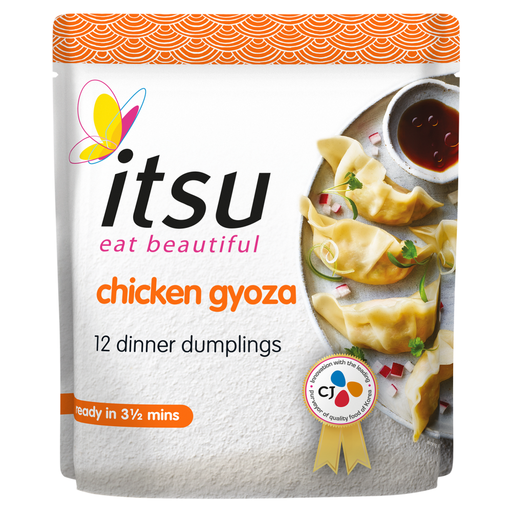
Chicken gyoza offer a dumpling component for a snack-style plate or side. Check how many of the 12 dumplings you plan to serve and follow the pack’s cooking instructions.
 No image available
These tofu and vegetable gyoza can form part of a snack-style plate. Compare the 600g pack with the portions you need; check the exact pack for wheat, soy, sesame and any other allergen information.
 No image available
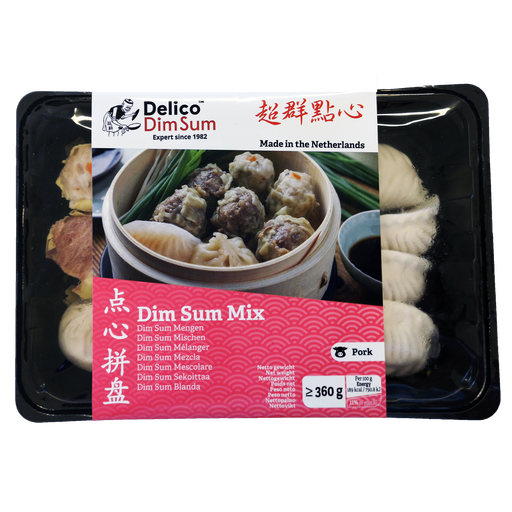
The 360g assortment offers different dim sum for a shared snack-style plate. Check the pack for portions and cooking instructions, and for wheat, soya and crustacean allergen information.
 No image available
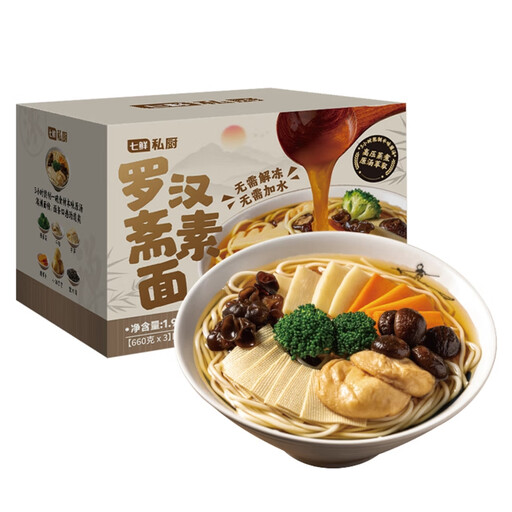
Three separate 660g packs offer a frozen noodle-meal option for half-term dinners. Check how many people each pack will serve and read the cooking and allergen instructions on the pack; the product information identifies wheat, soy and sesame.
 No image available
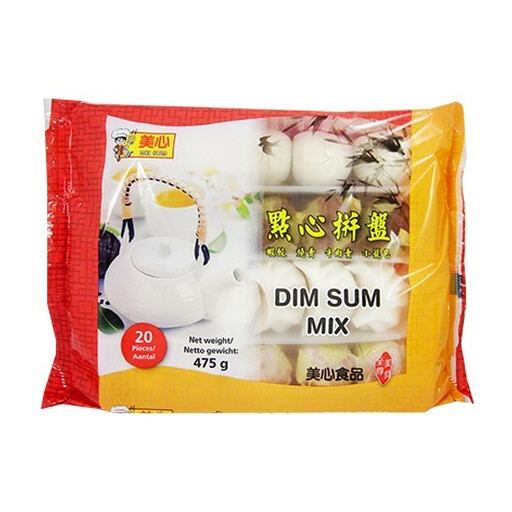
This 20-piece platter offers assorted dim sum for a shared snack-style plate. Decide how many pieces each person needs, follow the pack’s cooking instructions and check its crustacean, wheat, soy and sesame information.
Start with the pack’s stated servings, then compare its weight with the people eating and the rest of the meal. Retailer listings include 400g individual meals and larger dishes, so the words “ready meal” or “family” alone cannot tell you whether sides or another portion are needed.
Use per 100g to compare products on the same basis, then check per-portion figures where available against the amount you intend to serve. NHS food-label guidance notes that a manufacturer’s stated portion may differ from yours.
Compare the specific products’ salt, saturated fat, sugars and other listed values per 100g, then consider the intended portion. NHS guidance classifies more than 1.5g of salt or more than 5g of saturated fat per 100g as high; a front-of-pack traffic-light label can also make differences easier to see where one is provided.
Check the ingredients and emphasised allergen information on the exact pack you intend to serve. Repeat the check when changing retailer, flavour or size rather than assuming products within a range have identical ingredients.
Yes, if you choose the portion deliberately: a smaller individual dish, part of a shareable item or separate frozen components can serve different occasions. Check quantities and follow each item’s cooking instructions rather than assuming everything uses the same time or appliance.