Students with access to a campus microwave
A frozen meal is a practical candidate only if you are permitted to use the microwave, can keep the meal stored as its pack directs, and have time for every heating and standing step before eating.


For lunch between lectures, consider a single-serving frozen meal only if its pack permits cooking from frozen with an appliance you can use on campus, and the full heating procedure fits your break. Sainsbury’s Taste the Difference Coq Au Vin is a 400g meal for one with microwave-from-frozen instructions, but its stated time is nine minutes at 900W plus a one-minute stand. Larger dishes may make more sense for a hall kitchen or a meal at home; whatever you choose, check the exact pack’s ingredients and nutrition information rather than relying on a premium range name.
A frozen meal is a practical candidate only if you are permitted to use the microwave, can keep the meal stored as its pack directs, and have time for every heating and standing step before eating.
If you can cook outside a lecture break, you can also consider larger frozen pies, fish dishes and meals for two. Check the cooking method, serving count and what you will do with any leftovers.
Use the exact meal’s ingredient list, allergen information and nutrition panel. A premium, vegetarian or plant-based range name cannot establish those details for every product in the range.
Start with where and how you will cook the meal, then check the portion and label against what you need for that lunch.
| Priority | What to check | Your needs |
|---|---|---|
| Heating time | Confirm that the pack permits microwave cooking from frozen. Match its wattage-specific time, stirring and standing steps to an appliance you may use. | I need enough time not just to heat lunch, but to complete the pack instructions and eat it between lectures. |
| Portion format | Read the serving count and pack weight; a premium range can include both meals for one and larger dishes. Check whether the stated cooking method needs an oven. | A single portion is easier to plan for a campus lunch. A sharing dish makes more sense when I have a kitchen and a plan for the rest. |
| Ingredients | Check the exact product’s ingredients, highlighted allergens and any relevant warning statements. Do not substitute a range label for the pack information. | If an ingredient or allergen matters to me, I need to check this particular recipe before buying it. |
| Nutrition label | Compare figures per 100g on the same basis, then look at the whole-pack figures and serving count. The NHS notes that a labelled portion may differ from the amount you eat. | When choosing a regular lunch, I want to compare salt and saturated fat across meals without overlooking the size of the pack. |
Retailer ranges include different portion sizes and cooking formats. For example, Tesco lists 400g Finest meals alongside a 1kg Beef Wellington; the range name alone says nothing about microwave cooking.
Check the individual pack’s serving count, appliance instructions and total cooking time before choosing it for a lecture break.
Sainsbury’s says its 400g Taste the Difference Coq Au Vin takes nine minutes at 900W or 10 minutes 30 seconds at 800W, followed by a one-minute stand. The instructions also say to check that it is piping hot.
Allow for the full procedure and time to eat. If the break is too short, choose a different lunch format.
Premium and plant-based descriptions do not establish a particular meal’s allergens or nutrition values. Recipes within a range can differ.
Read the ingredients and allergen information, then compare nutrition per 100g and per pack where those figures matter to your choice.
GOV.UK guidance says to follow the packaging’s storage, freezing and defrosting instructions and advises a freezer temperature around −18°C.
Work out how you will keep the meal stored as directed until cooking. Follow its instructions rather than improvising a defrosting method.
These retailer ranges offer different frozen-meal formats; choose by the individual product’s portion, cooking instructions and label rather than the range name.
The M&S frozen ready-meal catalogue includes M&S Collection and Plant Kitchen items, pies and fish dishes.
Waitrose lists frozen 400g meals including beef lasagne, cottage pie, vegetable lasagne and macaroni cheese.
Tesco’s Finest frozen ready-meal section lists 400g main meals alongside larger dishes.
Sainsbury’s lists Taste the Difference frozen meals labelled for one, including a 400g Coq Au Vin.
Asda has a Frozen Premium Ready Meals category.
Iceland has a Luxury Frozen Ready Meals category.
This chicken-and-rice frozen meal is an option to assess if you have a permitted campus microwave. Check its full pack instructions and serving count before relying on it for a break between lectures.
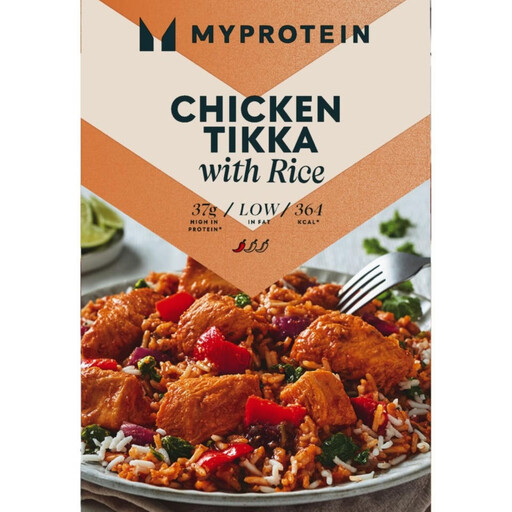 Image unavailable
This frozen chicken-and-rice meal lists microwave cooking from frozen, which is relevant if you can use a campus microwave. Check the pack for the time at your microwave’s wattage, the full heating procedure and the serving count before planning it for a lecture break. The listing identifies milk and barley as allergens and warns that bones may remain and that the meal is not suitable for a low-potassium diet.
Yes, if you can store it as its pack directs, use a permitted appliance and complete the stated cooking instructions before eating. Do not assume every frozen meal can be microwaved. GOV.UK guidance says to follow the label’s storage and defrosting directions and advises a freezer temperature around −18°C.
Use the exact meal’s instructions for your microwave wattage and include stirring or standing steps. Sainsbury’s states that its 400g Taste the Difference Coq Au Vin takes nine minutes at 900W or 10 minutes 30 seconds at 800W, followed by a one-minute stand; it also says to check that the food is piping hot.
For lunch between lectures, start with a meal labelled for one and check that its cooking method fits the facilities and time available. A larger dish is worth considering when you have a suitable kitchen, a longer cooking window and a plan for sharing or leftovers.
No. Check the exact product’s ingredients, highlighted allergens and relevant warnings rather than relying on its range name. These details can differ between meals in the same range.
Compare the nutrition figures per 100g, then check the whole-pack figures and serving count for the amount you intend to eat. NHS food-label guidance describes more than 1.5g salt or more than 5g saturated fat per 100g as high on those respective measures.