Weekly shoppers comparing total fat
If you are buying several meals for the freezer, comparing fat per 100g helps you judge similar products without confusing a smaller portion with a lower-fat recipe.


For a weekly shop, compare total fat per 100g across similar frozen ready meals, then check the values for the amount you expect to eat. A calorie-controlled range name, smaller portion or low-saturated-fat claim does not establish that a meal is low in total fat; check salt, allergens, storage and cooking directions on each pack too.
If you are buying several meals for the freezer, comparing fat per 100g helps you judge similar products without confusing a smaller portion with a lower-fat recipe.
If you choose single-serve meals for convenience, check the nutrition for the amount you will eat as well as the per-100g figures. Calorie-controlled branding does not answer every question about fat or salt.
If protein is part of your comparison, read total fat and saturated fat separately. A meal’s protein positioning does not settle either measure or its suitability for someone avoiding an allergen.
Start with comparable per-100g figures, then check the portion, ingredients and preparation details of each meal you might add to the freezer.
| Priority | What to check | Your needs |
|---|---|---|
| Total fat | Compare total fat per 100g across similar meals. NHS food-label guidance describes 3g of fat or less per 100g as low fat for foods; check the actual figure rather than a range name. | I want to compare recipes without letting different pack sizes obscure the total-fat figure. |
| Saturated fat | Read saturates separately from total fat, both per 100g and for the portion you plan to eat. A low-saturated-fat description does not establish low total fat. | Lower saturated fat matters to me, but I also want to know the meal’s total fat. |
| Portion and salt | Check pack weight and stated servings, then compare calories, fat and salt for the amount you expect to eat. | If I am eating the whole pack, I want figures that reflect the whole meal rather than a smaller stated serving. |
| Ingredients and allergens | Read the current pack’s ingredients and allergen advice, including when buying a familiar meal again. Iceland advises shoppers that product information can change. | Someone in my household needs me to check the specific pack before I buy or prepare it. |
| Storage and cooking | Check the pack’s freezer-storage directions and the cooking method and standing time for that particular meal. | I am stocking up for the week and need to store and prepare each meal as directed. |
Tesco’s frozen Under 500cal category and M&S Count On Us branding identify calorie-focused options, not the total-fat value of every meal.
Check total fat per 100g on the exact product before adding it to your basket.
Different pack and serving sizes can make front-of-pack figures difficult to compare directly.
Compare similar meals per 100g first, then read calories, fat, saturates and salt for the amount you intend to eat.
Waitrose lists Birds Eye Get Real Protein Thai Red Chicken Curry at 3.4g total fat per 100g, although its listing describes it as low in saturated fat. That total-fat figure is above the NHS low-fat guide of 3g or less per 100g.
If total fat is your priority, check its figure separately from saturates.
Ingredients and allergen information can change, which matters when someone in the household must avoid an ingredient.
Read the current physical pack’s ingredients and allergen advice before preparation.
These ranges can help you find meals to compare, but their category names do not replace the nutrition and storage information on an individual product.
Tesco Groceries has a frozen Under 500cal Meals category that includes Tesco Calorie Controlled meals.
M&S has a frozen ready-meal range and separately describes its Count On Us dishes as calorie controlled.
Waitrose lists own-label and branded frozen ready meals, including products with individual nutrition panels.
Iceland lists Slimming World frozen meals and describes its MyProtein range as offering high-protein, low-fat meals.
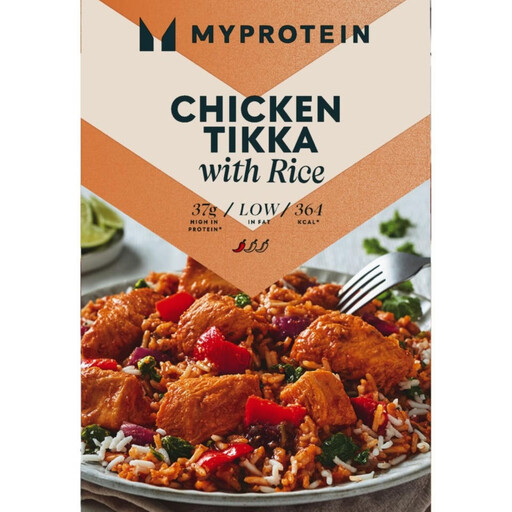
This Joybuy option is a chicken tikka frozen ready meal to consider for a weekly freezer shop. Compare its current pack label with other meals that suit your plans.
 No image available
For a weekly freezer shop, compare this 350g meal with similar frozen ready meals using the current pack’s per-100g nutrition and the values for the amount you intend to eat. The product information flags milk and barley and says bones may remain; check the pack’s allergen advice and follow its cooking directions.
No. Calorie positioning does not establish a meal’s total-fat value. Compare total fat per 100g on the specific product: NHS food-label guidance describes 3g or less per 100g as low fat for foods. Then check the values for the portion you will eat.
Use the per-100g nutrition figures to compare similar meals, then read the per-serving or whole-pack figures for the amount you expect to eat. Check how many servings the manufacturer assigns to each pack.
Yes. Waitrose describes Birds Eye Get Real Protein Thai Red Chicken Curry as low in saturated fat, while listing 3.4g total fat per 100g. That exceeds the NHS low-fat guide of 3g total fat or less per 100g, so check both figures when total fat matters to your choice.
Read the ingredients and allergen advice on the current physical pack each time. Iceland advises that website product information can change, so an earlier online listing should not replace the label of the meal you are preparing.
Follow the storage, cooking and standing-time instructions on each meal’s pack. Methods differ between products, so use the directions for that meal and the appliance you are using.