New parents eating at different times
An individual frozen meal can provide an adult dinner when one person is eating while the other cares for the baby. Check whether the stated portion fits the intended meal.


Choose the meal format around who will eat and when: an individual frozen meal can suit a solo dinner, while a larger dish makes sense when its servings will be used and it fits the freezer. Check the stated portions, cooking method, ingredients and nutrition panel before treating different meals as interchangeable.
An individual frozen meal can provide an adult dinner when one person is eating while the other cares for the baby. Check whether the stated portion fits the intended meal.
A larger dish or meal-for-two format may fit evenings when both adults can eat together. Its pack size, cooking instructions and freezer-space needs still have to suit the household.
When dietary requirements matter, compare the exact meals’ ingredients, allergen declarations and nutrition panels rather than relying on a range name.
Start with the eating occasion, then check preparation and the exact pack information before choosing what to keep in the freezer.
| Priority | What to check | Your needs |
|---|---|---|
| Portion fit | Read the stated servings and pack weight. Check whether a larger dish can be used as intended. | If I eat separately from the other adult, an individual meal may fit the evening better. For a shared dinner, I can consider a meal-for-two format. |
| Preparation | Check the exact pack’s cooking method, instructions and appliance requirements. Do not assume every frozen meal is microwaveable. | On an interrupted evening, I need a meal I can prepare with the equipment and time available. |
| Ingredients and nutrition | Read the allergen declaration and compare similar meals using the per-100g nutrition information. Check the intended portion separately. | I want to know what is in the particular meal, especially when an ingredient or allergen affects what our household can use. |
| Freezer planning | Check pack size, available freezer space and the labelled storage and use instructions before stocking up. | Several bulky packs only help if I can store them and expect to use each one. |
An individual 400g meal and an 800g meal-for-two serve different plans, particularly when adults eat at different times.
Check the stated servings and choose a format the household can use as intended.
A multi-buy is less useful if its packs do not fit the freezer or the household is unlikely to eat each dish.
Check the qualifying meals, storage space and likely use of each pack before adding more.
A premium range does not establish that a particular meal has the right portion, ingredients or nutrition profile for a given evening.
Compare the exact dishes and their labels, not just their range names.
Frozen meals have product-specific ingredients and preparation requirements; the category name cannot answer either question.
Read the exact product information and recheck the pack received before preparation.
These retailers illustrate different frozen-meal formats and browsing routes; check the individual dish rather than assuming a whole range has the same characteristics.
Tesco’s frozen ready-meal range is organised across cuisines and meal types.
Sainsbury’s lists frozen ready meals across cuisines and dietary categories.
Asda organises frozen ready meals into traditional and cuisine-specific categories.
Iceland is a frozen-food retailer with ready meals and other frozen meal formats.
Waitrose lists individual frozen meals alongside meals for two and vegetarian choices.
M&S lists larger frozen dishes, including pies and seafood formats.
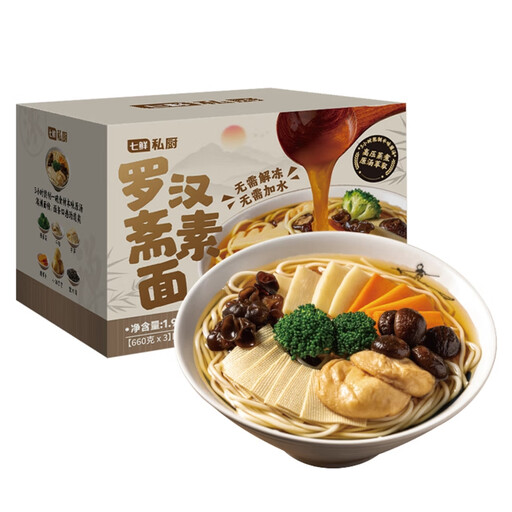
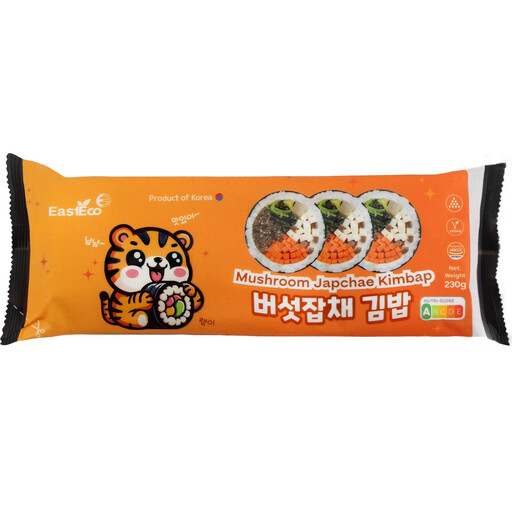
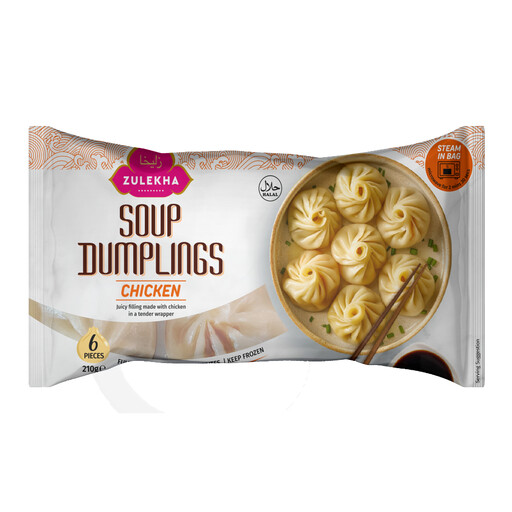
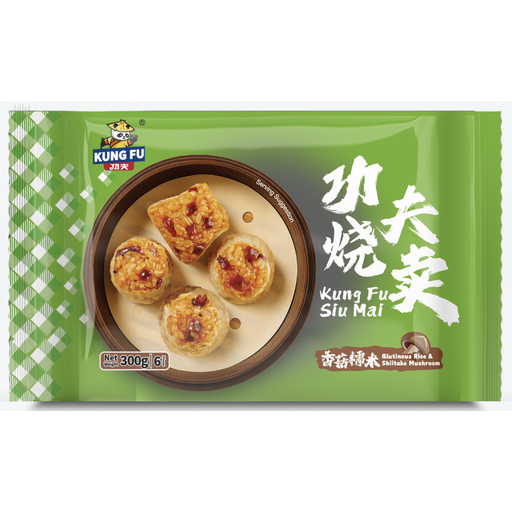
These options include a multi-pack noodle dish, smaller frozen foods and a larger bag of meatballs. Some are snacks or meal components rather than complete dinners, so check how each fits the meal you plan to make.
 No image available
The three-pack format is worth considering for planned meals if the packs fit your freezer. Check the stated servings and preparation instructions on the pack; it contains sesame, wheat and soy.
 No image available
This smaller pack may suit a separate meal or snack occasion; check its serving guidance and cooking instructions against what you need. It contains soy, wheat and sesame.
 No image available
Check whether the 210g pack fits the intended meal and follow its preparation instructions. It contains wheat, sesame and soya; the product information also cautions that some bones may remain.
 No image available
These siu mai are presented as a snack or appetiser rather than a complete dinner. Check the instructions for the number of pieces you prepare and note that the pack contains wheat and soy.
 No image available
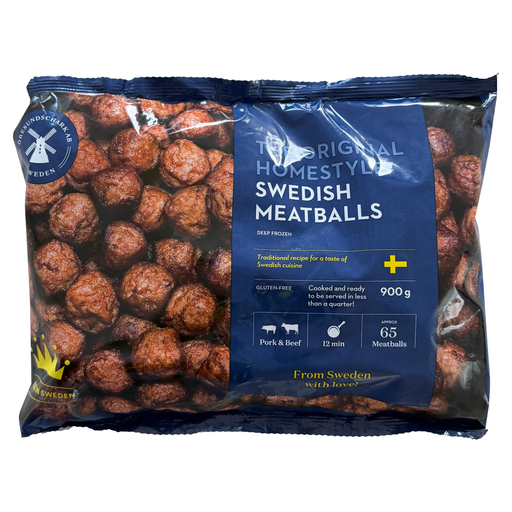
The 900g bag is a meal component to plan around, rather than a complete dinner on its own. Check the pack’s serving, storage and handling directions before deciding how to use it across meals.
Choose according to who will eat and whether they will eat together. An individual meal can suit a solo evening; a larger dish needs a realistic plan for its stated servings and enough freezer space.
Compare similar meals using the per-100g information, then look at what the intended portion contains. NHS food-label guidance uses per-100g figures for comparison and describes more than 1.5g of salt or more than 5g of saturated fat per 100g as high.
Read the allergen information for the exact product and recheck the pack received before preparing it. Different frozen meals have different ingredients; one product’s declaration cannot stand in for another’s.
No. Follow the exact pack’s preparation instructions rather than assuming a cooking method from the frozen-meal category. Check the required equipment and whether the instructions apply to the quantity you intend to prepare.