Travellers cooking after arrival
A frozen meal can work if you have suitable storage at your destination and the appliance specified on its pack. Plan how you will keep it at the required temperature in transit.


A frozen ready meal makes more sense when you can cook it before leaving or keep it frozen and prepare it after arrival. For food you plan to eat on the train, choose something you can serve without relying on onboard heating, and follow its storage instructions during the journey.
The deciding factor is when you can prepare the meal, not simply whether you can bring food onto the train.
A frozen meal can work if you have suitable storage at your destination and the appliance specified on its pack. Plan how you will keep it at the required temperature in transit.
Cooking before departure gives you food to take aboard. Pack it securely and consider how you will keep it cool until you eat it, particularly in warm weather.
If you need to eat during the journey and cannot meet a frozen meal’s storage or cooking instructions, choose food that fits the facilities you actually have.
Choose this when: You want to eat the meal on the train and can prepare and pack it before leaving.
Allow for: A suitable container and a way to keep the cooked food cool until you eat it.
Choose this when: You can maintain the meal’s required storage conditions and have the specified cooking equipment at your destination.
Allow for: Transporting a frozen product rather than eating it during the journey.
Choose this route when: You need food aboard but have no confirmed way to cook a frozen meal.
Allow for: Choosing food that needs no heating and following any storage directions on its pack.
| Priority | What to check | Your needs |
|---|---|---|
| Preparation | Read the exact pack’s cooking method. Check that you can use the required appliance before departure or after arrival; bringing food aboard does not provide a way to cook it. | I need to know whether this meal will be ready when I want to eat it, not just whether it fits in my bag. |
| Storage | Follow the pack’s frozen-storage instructions. For food carried in warm weather, GOV.UK advises keeping it chilled for as long as possible and, where possible, using a cool bag with ice or frozen gel packs. | For a longer or warmer trip, can I keep the food at the temperature its pack requires until preparation? |
| Portion and equipment | Check the pack weight and number of portions. Consider whether you need a food container, cool bag, ice packs or access to cooking equipment. | If I am travelling alone, I want a portion I can use and a preparation plan that fits my journey. |
| Ingredients | Read the current physical pack’s ingredients and allergen statement, even if you used a retailer’s filters to narrow your choice. | I need the particular meal I buy to match my dietary requirements; a category label is not enough. |
A suitable portion is little help on a train if the meal still needs cooking or cannot be stored as directed during travel.
Check the portion alongside the preparation and storage instructions before deciding where you will eat it.
A cool bag, ice or gel packs, and access to cooking equipment can add to what you need to carry or arrange.
Cooking and storage directions vary by product. For example, Iceland Foods lists its 400g Spaghetti Bolognese for microwave cooking from frozen.
Choose a frozen meal only when your itinerary includes a way to follow that particular pack’s directions.
Warm conditions make temperature control more important. GOV.UK advises keeping food chilled for as long as possible in hot weather.
Where possible, pack food straight into a cool bag with ice or frozen gel packs. If you cannot meet its storage instructions, choose another food format.
Ingredients and allergen information can change. Iceland Foods advises checking the actual product label rather than relying only on its website.
Read the physical pack before preparing or eating the meal.
These retailer ranges provide examples of frozen meals to assess against your cooking and storage plan; inclusion here does not indicate that a particular product is available for your journey.
Tesco Groceries lists individual 400g frozen meals, including Hearty Food Co. chicken curry with rice and spaghetti bolognese.
Iceland Foods lists frozen ready meals, including a 400g Spaghetti Bolognese.
Waitrose & Partners lists 400g frozen beef lasagne, cottage pie and vegetable lasagne.
Marks & Spencer describes its frozen ready-meal range as meals to heat, with examples including Fisherman's Pie and Haddock Mornay.
These frozen options are relevant if you plan to prepare food after the train journey. Check each pack’s storage and cooking instructions against the facilities at your destination; neither is presented as a meal to eat frozen aboard.
 No image available
Consider these dumplings for eating after arrival if you can follow the pack’s frozen-storage and preparation directions. Check the current pack for its cooking method and allergen statement before taking it on your journey.
 No image available
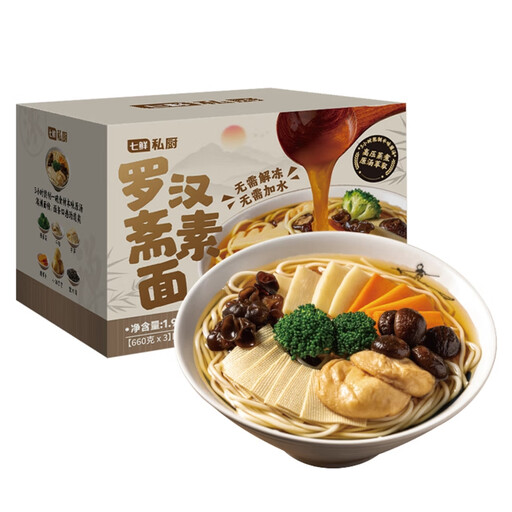
The 1.98kg bundle contains three 660g packs, so consider how many you can store and use after arrival. Check the current pack’s cooking, storage and allergen directions before planning transport.
Yes. National Rail says passengers can bring their own food and drink. That permission does not establish that you can heat a frozen meal aboard, so plan to cook it before departure or after arrival.
Follow the particular pack’s instructions rather than assuming it is ready to eat. Iceland Foods lists its 400g Spaghetti Bolognese for microwave cooking from frozen, making it an option for a place where you can prepare it, not an uncooked train meal.
Keep it chilled for as long as possible. GOV.UK advises that, where possible, chilled or frozen food should go straight into a cool bag with ice or frozen gel packs. Check the meal’s own storage instructions before deciding whether you can transport it appropriately.
Read the allergen statement on the physical pack before preparing or eating the meal. Iceland Foods notes that product information can change and advises checking the actual label rather than relying solely on its website.