Families with changing visitor numbers
Keep a shared meal for visits you can plan, alongside smaller meals for days when fewer people arrive. Check the stated servings rather than assuming a large pack will fit every gathering.


For a second home where the number of diners changes, stock a mixture of meal sizes rather than relying only on large trays. Choose shared meals for planned group visits, and keep meals for one or two and separate frozen sides for smaller or unexpected visits; check serving guidance, dietary labels and each pack’s storage and cooking instructions before stocking the freezer.
The useful mix depends on who visits the second home, whether they eat together and whether one meal can suit everyone.
Keep a shared meal for visits you can plan, alongside smaller meals for days when fewer people arrive. Check the stated servings rather than assuming a large pack will fit every gathering.
Meals labelled for two give you a starting point for a typical visit. Separate frozen vegetables or potatoes let you adjust what you serve when guests join you.
Leave room for separately labelled vegetarian, vegan or free-from meals when a shared tray will not suit everyone. Check the ingredients and allergen statement on each product, not just its category.
Start with the number of people likely to eat together, then check how each pack fits the freezer and the people using it.
Choose when: You know how many people are coming and have space for a larger tray.
Trade-off: A single large meal gives you fewer ways to adjust portions if plans change; check its stated servings.
Choose when: Most visits involve a couple or small group, with separate sides available for other meals.
Trade-off: Feeding a larger gathering means combining more than one pack or dish.
Choose when: People arrive at different times or need different dishes.
Trade-off: Preparing several separate meals takes more coordination than serving one shared tray.
| Priority | What to check | Your needs |
|---|---|---|
| Portions | Read the stated servings; compare pack size with your usual group; check that larger trays fit the freezer. | I want a meal for a planned family visit without filling the freezer only with packs that are awkward to use when fewer people come. |
| Flexible meals | Look for meals for one or two and separate frozen sides; plan which dishes can be prepared together. | If guests arrive unexpectedly, I can combine smaller items rather than depend on a single tray. |
| Dietary fit | Check each pack’s ingredients, allergen statement and dietary label; do not rely on category navigation alone. | Different people may need different meals, so I need to know what each person can eat before stocking up. |
| Storage and preparation | Check freezer operation and pack dates; follow each product’s storage, defrosting and cooking directions. GOV.UK guidance for England, Northern Ireland and Wales says a home freezer should be around -18°C. | Meals may stay at the second home between visits, and I need to be able to store and prepare each one according to its label. |
Pack weight alone does not tell you how many diners a meal is intended to serve. A large shared dish may also be unsuitable when people need different meals.
Use the product’s serving guidance to plan the meal, then check its weight and dimensions when deciding how much freezer space it needs.
A vegetarian or vegan category does not establish whether a particular meal suits someone with an allergy or intolerance.
Read the individual pack’s ingredients, allergen statement and dietary claim before including it for that person.
Frozen meals can have different defrosting and cooking directions, which matters if the second home has limited cooking equipment.
Check the directions on each pack against the equipment available at the property. GOV.UK guidance also directs households in England, Northern Ireland and Wales to follow label freezing and defrosting instructions.
A vacant property gives you fewer opportunities to notice that the freezer is not maintaining its intended temperature.
Check that the freezer is operating before stocking it and when you return. GOV.UK guidance for England, Northern Ireland and Wales says a home freezer should be around -18°C; follow the relevant product instructions if food has thawed.
These range references can help you choose where to look for a meal format; confirm the details of any individual product before making it part of your freezer plan.
M&S lists frozen pies and other dishes in larger packs that may be relevant to a planned shared meal.
Waitrose has frozen meals explicitly labelled for two, alongside individual meals.
Tesco’s frozen ready-meal navigation separates family meals, free-from and vegetarian or vegan choices, children’s meals and cuisines.
Sainsbury’s frozen ready-meal categories include fish, traditional dishes, children’s meals and diet or free-from options.
For an Asda stock-up, choose by the details of the individual frozen product rather than a presumed family-meal format.
Iceland provides a dedicated Family Ready Meals category for looking at shared-meal options.
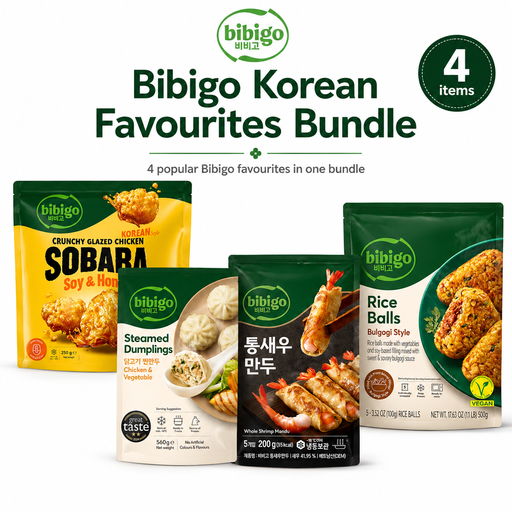
This multi-item frozen-food bundle is an option for stocking different dishes at a second home, rather than buying one shared family tray. Check the servings and preparation directions for its components against the people and equipment at your property.
 No image available
The four different items offer a way to keep several dishes in a second-home freezer instead of relying on one meal format. Check each component’s serving guidance, storage directions and cooking instructions before planning meals for a particular group size.
Not when visitor numbers change. Keep shared meals for planned group visits and smaller meals for quieter stays; use each pack’s stated servings rather than its weight alone to decide how many people it will feed.
GOV.UK guidance for England, Northern Ireland and Wales says a home freezer should be around -18°C. Check that the freezer is operating when you visit the property, and follow the storage directions on each meal.
No. Use the category to find possible meals, then check the individual product’s ingredients, allergen statement and dietary claim for the person who will eat it.
No. Follow the freezing, defrosting and cooking directions on the particular pack. GOV.UK guidance for England, Northern Ireland and Wales says to defrost food fully before cooking unless the manufacturer says it can be cooked from frozen.