Families stocking a first student freezer
If you are buying food for a student with limited storage or cooking equipment, decide whether a larger tray fits their space and routine before choosing it over individual meals.


Choose a serves-two or larger frozen meal when the student has freezer space, the cooking equipment specified on the pack and a plan to share it or manage the portions. Individual meals are simpler to fit around solo, irregular mealtimes; a mix can cover both solo meals and planned shared dinners. Check the stated servings and cooking instructions rather than relying on a “family” category label.
If you are buying food for a student with limited storage or cooking equipment, decide whether a larger tray fits their space and routine before choosing it over individual meals.
A meal labelled for two or a larger dish may suit a planned dinner with flatmates or visitors, provided the student has the appliance specified in its cooking instructions.
Compare the exact meal’s ingredients, allergens and nutrition label when those details matter to the student or anyone sharing their food.
Start with how the student will store, cook and serve the food. A larger pack only helps if it fits those practical plans.
| Priority | What to check | Your needs |
|---|---|---|
| Portions | Read the stated serving count and net weight. Tesco Groceries lists both a 700g paella and 400g meals on its frozen family-meals page, so the category name alone does not establish the portion size. | I’m shopping for one person most days, but a larger meal could work when there is a definite plan to share it. |
| Cooking | Check the preparation method and instructions on each pack; do not assume a frozen meal can be microwaved. | Will the student have the specified appliance and enough time to prepare this particular meal? |
| Freezer space | Consider the space taken by each pack and how many packs will arrive together. Check that a larger tray fits before adding it to the moving-in shop. | I’d rather choose packs the student can store than fill the freezer with one planned dinner. |
| Nutrition label | Compare the same nutrients per 100g, then check per-portion information where shown. The NHS explains that nutrition information is given per 100g or 100ml and sometimes per portion; GOV.UK explains the fat, saturates, sugars and salt traffic-light colours. | For meals of different sizes, I want to compare the labels on a consistent basis and understand the stated portion. |
| Ingredients | Read the current ingredients and allergen declaration for the exact product. GOV.UK advises checking food labels for allergen and dietary information. | If the student or a flatmate needs to avoid an ingredient, a cuisine name or shop filter is not enough to make that decision. |
| Meal mix | Match individual meals and any shareable dishes to the student’s likely schedule. Check the instructions for other frozen foods separately if adding sides or staples. | Some evenings call for one portion; a shared meal makes more sense when people have arranged to eat together. |
Retailer listings use family-oriented categories for dishes of different weights. Tesco Groceries’ frozen family-meals page, for example, includes both 400g and 700g products.
Check the serving declaration, weight and cooking instructions on the exact pack, then decide who will eat it.
Similar-sounding meals can carry different nutrition labels. Asda’s listed 375g Chicken Dinner and 400g Chicken Curry & Rice, for example, show different salt amounts and traffic-light classifications.
Use per 100g values for a consistent comparison, and read the stated per-portion figures to understand the meal as served.
Allergen declarations differ between individual meals: Asda’s listed Beef Lasagne declares wheat, mustard and milk, while its listed Chicken Dinner declares wheat.
Check the ingredients and allergen information on the pack received, particularly when buying for someone with an allergy.
These retailer listings show why it is worth checking the exact meal rather than treating every frozen-ready-meal category as the same format.
Tesco Groceries has a frozen family-meals page and a wider frozen-food range.
Sainsbury's lists frozen ready meals across several types of dish.
Waitrose & Partners lists individual frozen meals alongside dishes labelled for two.
M&S lists frozen prepared dishes that include pies, bakes and salmon en croute.
Asda organises its frozen-ready-meal range by types of dish, including traditional, Italian and Indian meals.
Iceland Foods has a dedicated frozen family-ready-meals category.
These options are a mixed frozen-food bundle and individual packs of gyoza for a student freezer. They are not presented as confirmed family-size ready meals; check portions and cooking requirements against the student’s plans.
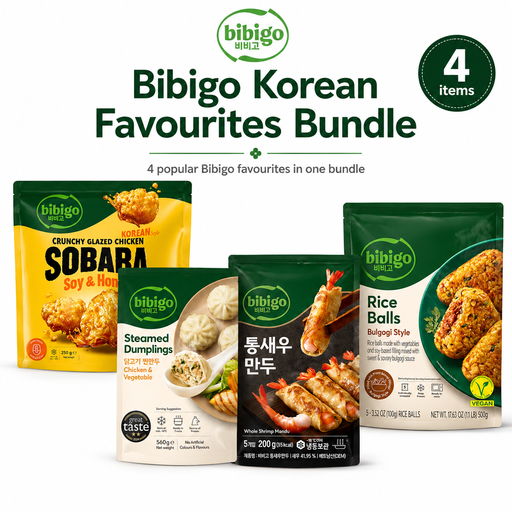 Image unavailable
This bundle offers several foods for a student freezer rather than one family-size ready meal. Check the servings and preparation instructions for each included item, as well as the space needed for the full bundle.
 Image unavailable
The 30-piece frozen pack is an option for a planned meal where the student has a hob and pan for the stated pan-frying method. Check the serving declaration before planning to share it, and read the current pack for allergen suitability; the product description identifies wheat and soy ingredients.
 Image unavailable
This frozen pack has a recommended pan-frying method, so check that the student has a hob and pan. Confirm the serving declaration before treating 600g as a shared meal; the product description lists crustacean, wheat, egg and sesame allergens, so check the current pack for individual suitability.
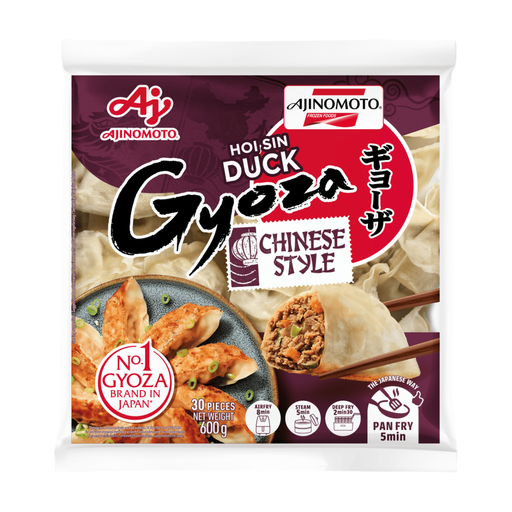 Image unavailable
The stated preparation method for these frozen gyoza requires a pan and hob. Check the serving declaration before planning a shared meal, and read the current pack for allergen suitability; the product description identifies wheat and soy ingredients.
Buy a larger meal when the student can store and cook it and has a realistic plan to share or manage the portions. For solo meals at irregular times, individual packs may be easier to plan around. Use the exact pack’s serving declaration and cooking instructions to decide.
Compare values per 100g, then look at per-portion information where it is shown. The NHS explains these label bases, while GOV.UK explains how traffic-light colours indicate the labelled levels of fat, saturates, sugars and salt.
Yes. Read the ingredients and allergen information on the current pack rather than relying on a previous purchase or a category label. GOV.UK identifies allergen information as part of checking whether a food is suitable for the person eating it.
No. A mix of individual meals, a shareable dish when there is a plan for it, and other frozen foods can accommodate different mealtimes. Check storage space and each item’s cooking instructions before assembling the shop.