People tracking calories at evening meals
If you plan around a meal-level calorie limit, start with the kcal for the whole pack or the portion you will actually eat. Then consider what, if anything, you will serve alongside it.


Choose a frozen meal only after checking that the amount you will eat contains fewer than 500 kcal—not just that its label shows fewer than 500 kcal per 100g. Compare the serving size, protein, vegetables, salt and saturated fat too, and include any sides or toppings in your meal total. An under-500-kcal label alone does not tell you whether the meal fits your wider eating pattern.
If you plan around a meal-level calorie limit, start with the kcal for the whole pack or the portion you will actually eat. Then consider what, if anything, you will serve alongside it.
If two meals fit your calorie limit, compare their protein and vegetable content rather than choosing by the lowest kcal figure alone. Check fibre where it is declared.
The calorie figure is only one check. Read the current pack’s ingredients and allergen information, and make sure its storage and cooking directions work for you.
Start with calories for the amount you will eat, then compare the rest of the nutrition panel and the practical requirements of the meal.
| Priority | What to check | Your needs |
|---|---|---|
| Meal calories | Find kcal per pack or per serving and check how many servings the pack contains. If only a per-100g figure is useful, calculate it for the amount you will eat. | I want the food I actually serve to come in under 500 kcal, not just a smaller labelled portion. |
| Meal composition | Compare protein per eaten serving and the meal’s vegetables. Check fibre if the label declares it, particularly when comparing meals with similar calorie totals. | A low calorie figure is not my only consideration; I also want to know what makes up the meal. |
| Salt and saturated fat | Compare salt and saturated fat for the portion you will eat. Use per-100g figures when comparing similar products on the same basis; traffic-light labels provide a quick indication, while the nutrition panel gives the figures. | When two meals meet my calorie limit, I want to compare their salt and saturated fat rather than assuming they are alike. |
| Preparation and ingredients | Read the current ingredients and allergen information. Check the cooking method, timings and frozen-storage directions on the exact pack. | I need a meal I can prepare as instructed, with ingredients that meet my dietary requirements. |
A pack or the portion you serve may weigh more than 100g, so the per-100g figure alone cannot establish that your meal is under 500 kcal.
Use the full-pack figure where appropriate, or work out the calories for the amount you intend to eat.
Labels such as “calorie controlled” and weight-management branding do not replace the figures for the exact meal. Tesco Groceries lists its Cottage Pie at 237 kcal and 1.37 g salt per cooked pack; the figures answer different questions about that meal.
Check the current serving size and nutrition panel, including salt and saturated fat, before deciding.
The labelled calories for a frozen main do not include the bun, sauce, cheese, side or drink you add.
Count the meal as you plan to serve it rather than treating the packaged item as the complete plate.
A calorie figure cannot tell you whether a meal contains an ingredient you need to avoid or how it must be stored and cooked.
Read the current pack’s allergen, storage and cooking information each time you choose a different product or recipe.
These ranges can help you find candidates, but a range name does not establish the calories in every meal.
Tesco Groceries has a frozen “Under 500cal Meals” category that includes Calorie Controlled meals.
Waitrose lists frozen ready meals, including own-label dishes and branded options.
Iceland lists an exclusive Slimming World frozen range, including ready meals and lunch bowls.
M&S lists a frozen ready-meal range that includes fish dishes and Plant Kitchen products.
Sainsbury's lists frozen ready meals across several cuisines and product categories.
Asda has listed frozen ready-meal products, including a Heinz curry bowl.
These burgers are components for a meal you assemble, rather than complete frozen ready meals. Check the current calories for the portion you use and add any bun, toppings and sides before deciding whether the finished meal is under 500 kcal.
 No image available
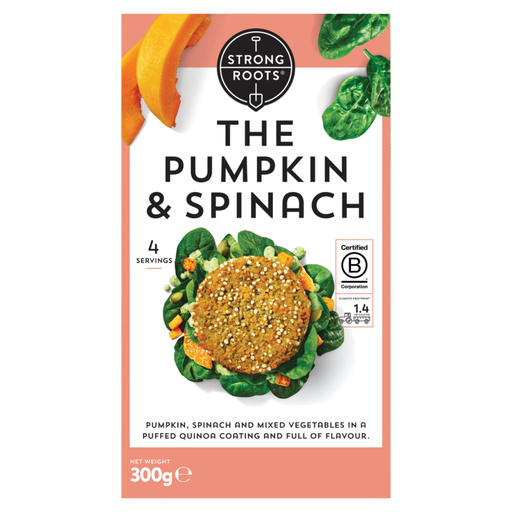
A pumpkin and spinach burger to consider when assembling a meat-free meal. The pack is 300g; check the calories for the number of burgers you will eat, plus any bun, toppings or sides. Follow the current pack’s cooking directions.
 No image available
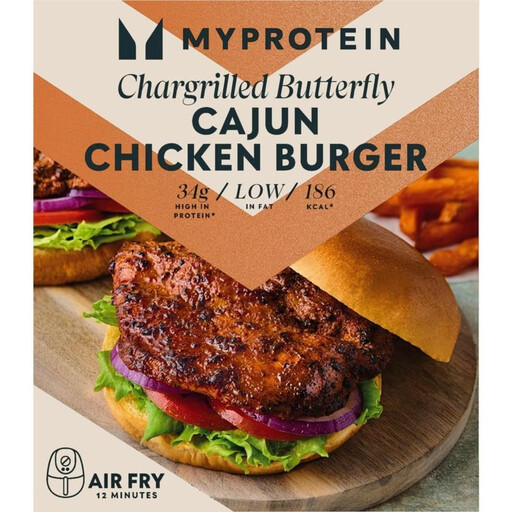
These chicken burgers are a component for an assembled meal, not a calorie figure for a burger with accompaniments. Check the current label for the portion you will eat and include any bun, toppings and sides in your total. Check the pack’s allergen and cooking instructions.
No. It tells you the calories for a stated amount of food, not the outcome of your overall eating pattern. NHS Better Health advises finding an approach to reducing calories that fits everyday life; consider the rest of the meal and what else you eat rather than relying on one label figure.
Use kcal for the full pack or the exact portion you will eat when checking the under-500-kcal limit. As NHS food-label guidance explains, nutrition information is given per 100g and sometimes per portion; the per-100g figure is useful for comparison but may not represent your whole meal.
Check the portion size, protein, vegetables, salt and saturated fat, and fibre if it is declared. Compare figures for the amount you intend to eat, and include any extras served with the meal.
You can check whether an assembled burger meal meets that limit, but the burger’s own calorie figure is not the total for a bun, toppings and sides. Add up the amounts you plan to eat using their current labels.
Read the current pack’s ingredients and allergen information, then follow its specific storage and cooking instructions. Do not assume that directions or ingredients are the same across different meals or recipes.