Families serving different portion sizes
An individual meal may make one adult’s portion easier to identify. For a shared tray, check its stated serving count and compare the calories with the amount actually served.


Choose an individually portioned, calorie-controlled frozen meal when someone needs a clearly labelled amount for their own dinner. For a shared meal, a regular frozen option can also work: compare the calories in the amount each person will eat, then check the rest of the nutrition label, ingredients and allergens. Tesco lists frozen meals in an under-500-calorie category, but the category name alone does not establish a suitable family portion.
An individual meal may make one adult’s portion easier to identify. For a shared tray, check its stated serving count and compare the calories with the amount actually served.
Calories are only one check. Read the current pack’s ingredients and allergen information for each person who will eat the meal, alongside its nutrition information.
A frozen main can be one part of dinner. The NHS Eatwell Guide considers dietary balance over a day or week, rather than requiring every meal to contain every element in the same proportions.
Start with the portion each person will eat; then compare like-for-like nutrition information and check whether the meal suits everyone at the table.
| Priority | What to check | Your needs |
|---|---|---|
| Calories per portion | Find the kcal figure and whether it applies per 100g, per portion or to the whole pack. Compare it with the amount served; the NHS notes that a manufacturer’s portion may differ from yours. | I want to know the calories in each person’s dinner, not just see a calorie claim on the range or pack. |
| Shared servings | Check the stated number of servings and how the tray will be divided. Pack weight alone does not tell you each person’s calorie amount. | One frozen main needs to serve the household, but our portions may not be the same size. |
| Full nutrition label | Compare calories, fat, saturates, sugars and salt on the same per-portion or per-100g basis. Use front-of-pack traffic-light information where supplied. | I want to compare more than calories. In a 2024 Food Standards Agency and Ipsos Northern Ireland survey of 611 people in Northern Ireland, approximately 49% said they actively used traffic-light labelling when shopping for food; that figure is not specific to frozen family meals. |
| Ingredients and allergens | Read the current physical pack before serving, particularly when someone must avoid an ingredient. Iceland Foods warns that online ingredients and allergy information can change. | Everyone eating needs a meal that fits their ingredient and allergen requirements. |
| Dinner preparation | Check whether the product is a complete ready meal or a component needing other foods. Follow its own frozen-storage, heating and standing instructions. | On a busy evening, I need to know what else dinner requires and which cooking method the pack specifies. |
Tesco’s frozen under-500-calorie category includes packs of different weights. Neither the category name nor the pack weight tells you how much each person will eat.
Check the exact meal’s kcal statement and serving count, then compare the amount you plan to serve.
Two meals compared on calories alone may have different amounts of fat, saturates, sugars and salt. The Food Standards Agency’s label guidance covers these figures alongside calories.
Use the same serving basis when comparing nutrition panels, and consider what else will be served with the main.
Diet branding does not establish allergen suitability. An Iceland Slimming World product lists wheat, milk, celery and barley, and Iceland Foods advises checking the physical label because product information can change.
Read the ingredients and highlighted allergens on the pack you intend to cook.
M&S presents its Count On Us calorie-controlled range separately from its frozen ready meals. The range name does not establish the storage instructions for an individual dish.
Confirm that the exact product is frozen and check its cooking directions before planning it for dinner.
Range names can help narrow a search, but the exact product label determines its portion, nutrition, ingredients and storage requirements.
Tesco Groceries lists an under-500-calorie category within its frozen ready meals.
M&S describes Count On Us as calorie controlled and also lists a separate frozen ready-meal range.
Waitrose & Partners lists frozen ready meals including 400g products and meals for two in 800g packs.
Sainsbury's lists frozen ready meals across several meal types, including traditional, Indian, Chinese and fish options.
Iceland Foods has a Slimming World frozen range, with product pages that can include cooking directions, ingredients and allergens.
These are frozen burgers, chicken bites, dumplings and a chicken component that could form part of dinner. They are not a selection of individually labelled lower-calorie ready meals; check the portion and any other foods served with them.
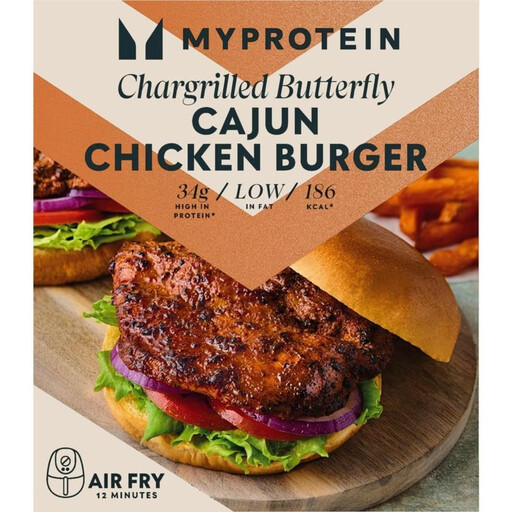 Image unavailable
The 300g two-pack is a frozen chicken option for a dinner assembled with other foods. Compare nutrition with the amount served rather than assuming each burger is the stated serving; check the current pack for wheat.
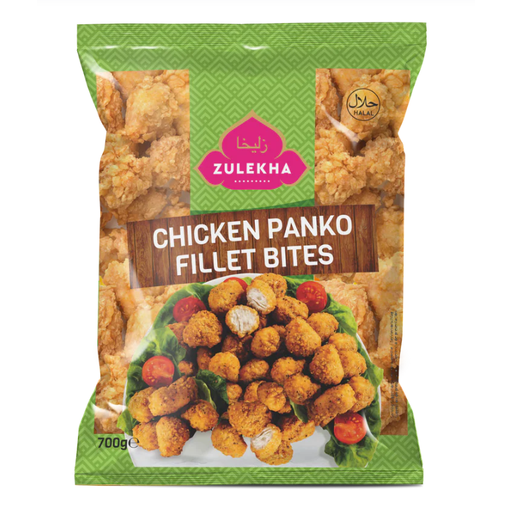 Image unavailable
For a shared chicken main, decide how the 700g pack will be divided before comparing calories per person. The listed preparation options include oven baking and deep frying; check the current pack for wheat and soy.
 Image unavailable
These frozen dumplings could be served as a main or alongside other foods. Compare any pack-level calorie figure with the amount each person eats; check the current allergen label and follow the standing instruction, as the filling can be very hot.
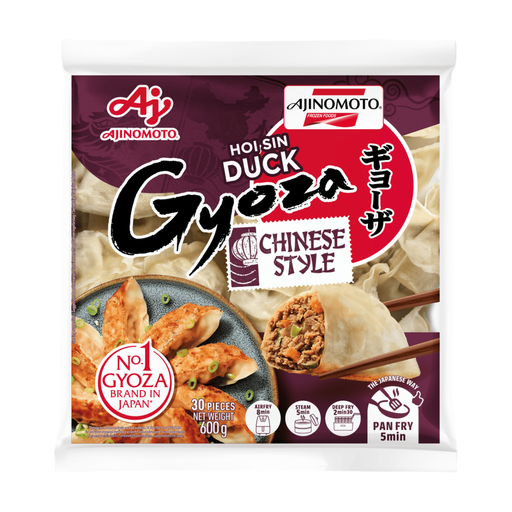 Image unavailable
The 600g pack can be divided for dinner, but compare calories with the number of gyoza actually served. Preparation calls for pan-frying with water and a covered pan; check the current pack for wheat, soy and sesame.
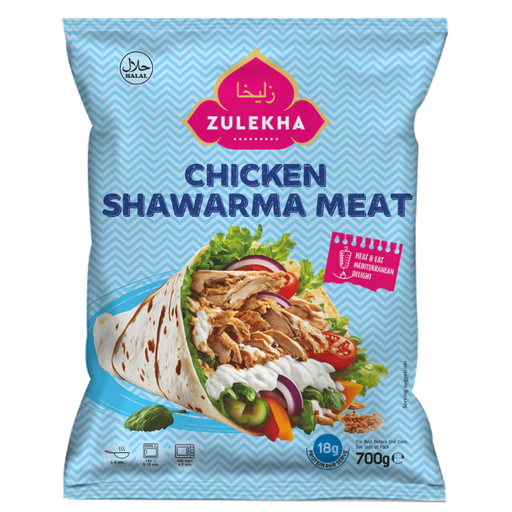 Image unavailable
This 700g frozen chicken component can be used in wraps or rice bowls rather than served as a complete ready meal. Include the other foods when comparing a full dinner; check the current pack for soy and mustard, and note the listing’s warning that bones may remain.
No. Check whether the kcal figure applies to the amount each person will eat. The NHS notes that calories may be stated per 100g or per portion and that the manufacturer’s portion may differ from yours.
Compare fat, saturates, sugars and salt on the same serving basis as calories. Food Standards Agency label guidance also recommends using front-of-pack traffic-light information to compare products where it is available.
Use it for an initial check, then read the physical pack before serving. Iceland Foods warns that its published ingredients, nutrition and allergy information can change.
Follow the heating, stirring and standing directions on that meal’s pack rather than applying another product’s timings. Iceland Foods’ instructions for one frozen pasta meal, for example, specify stirring during microwave cooking and standing afterwards.