Solo TV-dinner shoppers
If the meals are for separate evenings, compare the stated servings and pack sizes. Two distinct dishes may be more useful than two of the same meal.


Choose two meals for the occasions you actually have in mind: separate single-person dinners call for a different pairing from a shared TV night. Before choosing a larger pack or two different dishes, check the stated servings, freezer space, dietary information and cooking instructions on each pack.
If the meals are for separate evenings, compare the stated servings and pack sizes. Two distinct dishes may be more useful than two of the same meal.
When freezer room is limited, check that both packs will fit and that each has a planned use. A larger dish needs more consideration than its meal name alone suggests.
Vegetarian, vegan and free-from categories can help narrow the choice, but the ingredients and allergen information on each product are the details to check.
Decide when and for whom each meal will be eaten, then compare the packs on the same practical points.
| Priority | What to check | Your needs |
|---|---|---|
| Servings | Compare pack weight with the stated number of servings. Check whether a larger dish is intended to be shared. | I am eating alone on separate nights, or I need a dish for two people at the same sitting. |
| Freezer fit | Check the space available for both packs, particularly if one is a larger pie, bake or multi-pack. Follow each pack’s frozen-storage instructions. | There is room for both meals without crowding out food already in my freezer. |
| Dietary details | Read the specific product’s ingredients and allergen information. If comparing nutrition, use the declared figures on a consistent per 100g or per-portion basis. | One meal may need to meet a vegetarian, vegan or other dietary requirement; an aisle label alone does not settle that choice. |
| Preparation | Check the required equipment, whether the meal is cooked from frozen or defrosted first, and the pack’s cooking instructions. | On a low-effort evening, I want a method I can follow with the equipment and time available. |
| Different occasions | Compare the two dishes and their formats, rather than assuming any two frozen packs will serve the same purpose. | I might want one straightforward solo dinner and another option for a shared meal or a different dietary need. |
A larger pie, bake or dish for two may be harder to store alongside the food already in the freezer.
Check the space before choosing both meals, and give each pack a planned occasion.
“For one” and “for two” describe the product, but may not match how much you intend to serve at a sitting.
Compare the stated servings, pack weight and nutrition information per portion when choosing between individual and shared formats.
Vegetarian, vegan and free-from categories describe different things; none replaces the allergen information for the exact meal.
Read the current ingredients and allergen information on each pack, including when buying a familiar product again.
Preparation instructions differ between products. GOV.UK advises fully defrosting food before cooking unless the manufacturer says it can be cooked from frozen.
Follow the chosen pack’s cooking and defrosting directions rather than transferring instructions from another meal.
These retailer categories can help you find different meal formats; make the final comparison using the individual packs.
Marks & Spencer lists frozen dishes including a beef and red wine pie, a fisherman’s pie and a larger salmon en croûte.
Waitrose lists frozen individual meals, including a 400g beef lasagne, alongside dishes for two such as an 800g pea and asparagus risotto.
Tesco separates frozen ready meals into categories that include family meals, fish pies, vegetarian, vegan and free-from dishes.
For a Sainsbury’s TV-dinner pairing, compare the current frozen-meal packs available to you.
Asda has frozen ready-meal categories labelled traditional, premium and healthier meals.
Iceland has a dedicated frozen ready-meals section.
These frozen dumplings and noodles offer alternatives to conventional plated ready meals for a TV dinner. Check how each pack fits your planned portions, freezer space and preparation method.
 No image available
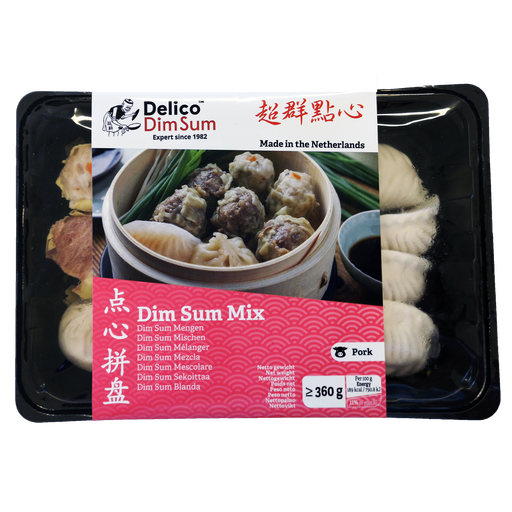
This assorted dim sum is an option when the TV dinner may be shared or served with other food. The pack is 360g; check its serving information and cooking directions against your plans.
 No image available
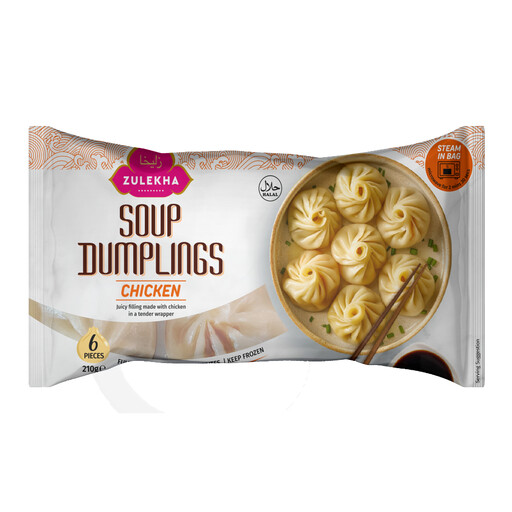
Consider these chicken soup dumplings if you want a different format from a plated ready meal. Check the pack’s serving information, microwave instructions and guidance for handling the hot filling.
 No image available
The 210g pack may suit a TV dinner built around dumplings. Check the serving information and follow the product’s directions for your chosen cooking method.
 No image available
This 400g dumpling pack is worth considering when you have a planned use for a larger quantity. Check its servings, freezer fit and cooking instructions before making it one of your two choices.
 No image available
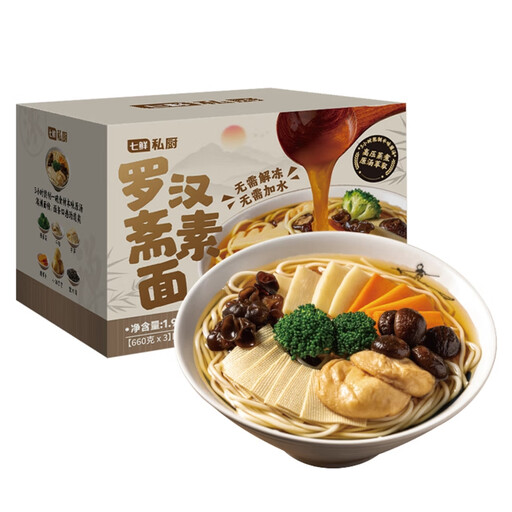
These vegetarian noodles come as three 660g packs, totalling 1.98kg. If the aim is to stock just two TV dinners, check whether you have room and a use for all three packs; read the current ingredients and allergen information for your dietary needs.
Choose two individual meals for separate solo evenings; consider a dish labelled for two when people will eat together. Compare the pack’s stated servings and weight before deciding, rather than relying on the meal name alone.
Use front-of-pack information where it appears, then check the full nutrition label. The NHS notes that pre-packed foods carry nutrition information on the back or side; compare figures on the same per 100g or per-portion basis.
Follow each pack’s storage and cooking instructions. GOV.UK advises keeping a freezer around −18°C and fully defrosting food before cooking unless the manufacturer instructs you to cook it from frozen.
No. Use the filter to find possible meals, then check the ingredients and allergen information for the exact product before choosing it.