
24/7 Customer Support

Free returns

Same-day & Next-day Delivery

Quality Guaranteed

Unlock Your Welcome Offers: FREE Delivery | Up to 80% OFF | Free 30-day JoyPlus trial
Download the APP
Buying frozen meat online can make family meals, hot pot gatherings and weekend barbecues easier to plan. However, attractive product names do not always tell you whether a cut suits your recipe. Before you buy frozen meat online in the UK, check the cut, thickness, pack size, origin and storage instructions rather than relying on words such as “premium” or “tender”.
This guide explains the practical points that matter when comparing frozen beef, frozen pork and Asian cooking meat, followed by product recommendations for different cooking needs.
A thin slice intended for hot pot will not deliver the same result as beef shin or beef flank in a stew. Conversely, a collagen-rich cut may become chewy if cooked quickly. Match the structure of the meat to the cooking method:
Terms such as Wagyu, Angus or grass-fed describe particular production or breed information, but they do not automatically mean the product suits every meal. A 150g pack of Wagyu beef hotpot slices may be appropriate for a small meal or mixed hot pot, while an 800g pack of hotpot beef rolls is more practical for a larger household.
Look for objective details: cut name, net weight, thickness, country of origin, ingredient list and cooking guidance.
Frozen meat delivery UK orders should arrive in suitable frozen condition. Once received, transfer products to a freezer maintained at -18°C or below, following the packaging instructions. Many products must not be refrozen after thawing. Defrost meat in the refrigerator where possible, keep it covered and cook it thoroughly before eating.
For products with different instructions, always follow the individual label. Some hot pot slices can be cooked from frozen, while larger cuts usually need complete defrosting first.
The cut determines texture and preparation time. Celeplate Beef Flank, for example, is described as a long-simmering cut, with guidance of 60 minutes or more in a regular pot or around 45 minutes in a pressure cooker. Beef shin also benefits from slow cooking and holds its shape when sliced.
For fast meals, select sliced beef for hot pot or thin beef rolls. Celeplate Short Ribs Hotpot Slices are supplied as thin slices and include guidance of approximately 10–15 seconds in simmering broth until cooked through. This is different from a whole boneless short rib, which may require 1.5–2 hours of braising.
Pack size affects both value and food waste. A 150g hot pot pack can complement vegetables, tofu and noodles, but a family gathering may need several packs. An 800g or 1kg pack is more suitable for multiple diners, meal preparation or professional kitchens.
Check whether the pack contains a whole cut, diced pieces or rolled slices. Pre-cut pork ribs and pork trotters can reduce preparation time, while larger cuts provide more flexibility but require additional trimming and cooking.
For a straightforward purchase, check whether the ingredient list is simply 100% beef or 100% pork, or whether salt and other ingredients are present. Freshasia Sliced Beef For Hot Pot, for instance, lists beef and salt, while several other products list beef only.
Origin information can also help you compare products. Available listings include beef from the UK, Ireland, Australia, Poland and China, as well as pork from Spain, Germany and the UK. Nutritional values vary by cut: belly and short rib generally contain more fat than leaner or more muscular cuts. Use the per-100g information on the product page to compare packs consistently.
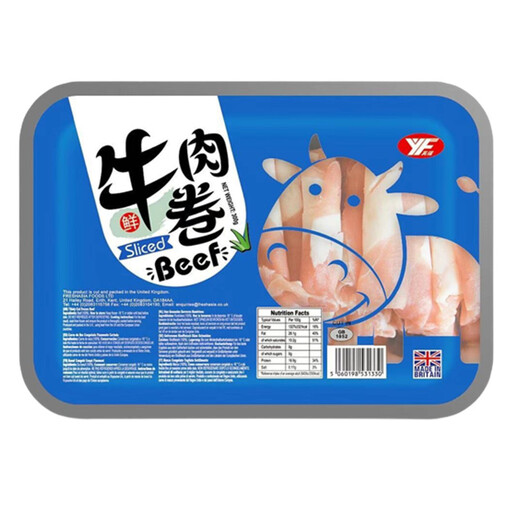
Why This Fits Their Persona: A manageable 300g pack for first-time buyers trying hot pot, stir-fries or quick family meals without committing to a large catering pack.
The listing identifies it as thinly sliced beef for quick cooking, reducing the risk of using a slow-cooking cut for a fast meal.
Thin, uniform slices; suitable for hot pot and stir-frying; storage guidance specifies -18°C or below.
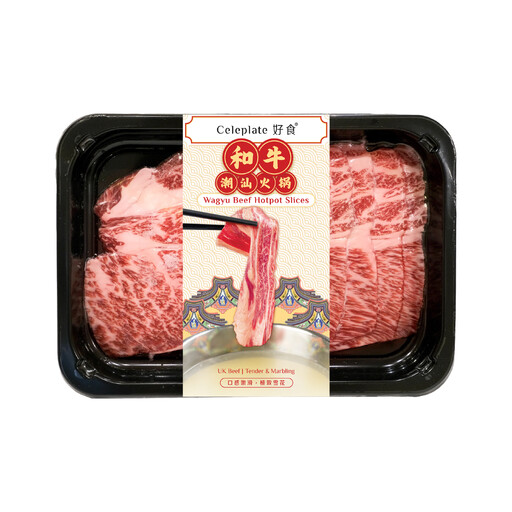
Why This Fits Their Persona: Designed for diners who want a smaller, distinctive cut for shabu-shabu, sukiyaki or Chinese-style hot pot.
The 150g net quantity and approximately 1.5mm slice thickness are stated clearly, so shoppers can judge portions and cooking speed.
United Kingdom sourcing is listed; thin slices are intended for brief cooking in simmering broth.

Why This Fits Their Persona: The 800g pack is suited to family hot pot nights, shared meals and hosts who also want meat for stir-fries or rice bowls.
The product is explicitly presented as hot pot beef rolls, with directions for boiling, stir-frying and grilling.
800g quantity; evenly sliced; listed as 100% beef; cooking guidance includes thorough cooking before serving.
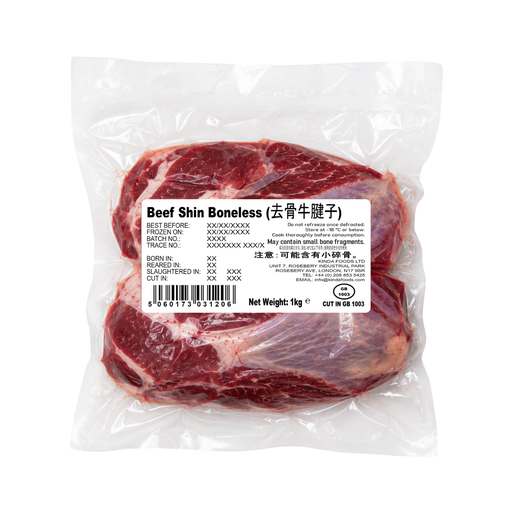
Why This Fits Their Persona: A whole 1kg beef shin suits batch cooking, stews, braises and professional kitchens where a firm, sliceable cooked texture is useful.
The listing clearly identifies the leg cut and states that it is intended for stewing, avoiding confusion with quick-cook steak.
Approximately 1kg vacuum-packed whole piece; 100% beef; suitable for slow cooking and slicing.
For pork-focused meals, consider the preparation time before ordering:
For barbecue hosts, pork ribs and thick-cut Wagyu beef short rib slices offer different preparation routes. Ribs generally benefit from slower cooking before finishing over high heat, while thin hot pot slices are intended for rapid cooking.
We have compiled a complete, real-time list of products that fully satisfy these strict selection criteria and UK safety regulations.
Yes, provided it is labelled for cooking and handled correctly. Thinly sliced beef rolls and beef hotpot slices can cook quickly in simmering broth. Follow the product instructions, avoid overcrowding the pot and ensure the meat is no longer raw before eating.
For whole cuts, place the sealed pack in the refrigerator for 12–24 hours, depending on size. Some products provide cold-water defrosting instructions. Do not leave meat at room temperature for extended periods and do not refreeze it after thawing unless the packaging specifically states otherwise.
Check the best-before date on the packaging and keep the freezer at -18°C or below. Once defrosted, storage periods vary by product: some listings advise consumption within 24 or 48 hours, while others allow up to 72 hours. The individual product label takes priority.