
24/7 Customer Support

Free returns

Same-day & Next-day Delivery

Quality Guaranteed

Unlock Your Welcome Offers: FREE Delivery | Up to 80% OFF | Free 30-day JoyPlus trial
Download the APP
Asian frozen desserts can be convenient, versatile and easy to prepare at home, but product descriptions do not always tell the full story. The terms frozen mochi, tang yuan, Japanese daifuku and glutinous rice balls may describe products with very different fillings, preparation methods and storage requirements.
For UK shoppers, the most useful approach is to compare the label, pack size and cooking instructions rather than relying on flavour names alone.
Although all use a soft, chewy rice-based dough, they are not identical.
A product labelled “mochi” may be a frozen sorbet bite designed to thaw slightly before eating, while a filled tang yuan may need boiling from frozen. Treating both products in the same way can affect texture and food safety.
Frozen Asian desserts require reliable freezer storage. Look for a clear instruction such as keep at -18°C or below and check whether the item must be cooked before consumption.
Some products are designed to be:
Do not assume that every rice cake is ready to eat. Products marked “cooking required” should be cooked thoroughly and served piping hot. Once defrosted, many frozen products should not be refrozen.
Traditional flavour names can be useful, but the ingredient list provides more practical information. A black sesame filling, for example, may contain a specified percentage of sesame, while a matcha product may contain a relatively small amount of green tea powder.
Also check the allergen declaration carefully. Glutinous rice itself is not the same as wheat gluten, but some products contain wheat flour or may contain cereals containing gluten. Common allergens across this category include sesame, peanuts, soya beans, wheat and nuts.
Choose the filling according to how you plan to serve the dessert.
If you are serving several people, an assorted Japanese wagashi selection can offer more variety than buying one large single-flavour pack.
Pack sizes range from 100g individual daifuku bags to 300g bags of glutinous rice balls. Smaller packs suit students, couples or first-time buyers, while 250–300g packs are more practical for family desserts and festive occasions.
Check whether the stated weight includes a separate coating sachet. A product with individually portioned pieces may also be easier to divide for sharing.
Cooking instructions are a useful indicator of how the product is intended to be enjoyed. Filled rice balls commonly take around 5–8 minutes in boiling water, with a short simmer after floating. Unfilled mini rice balls may cook more quickly, depending on their size.
For frozen mochi sorbet, the required preparation is different: resting the pieces outside the freezer for around five minutes can create a softer bite. Always follow the pack directions rather than applying a general mochi rule.
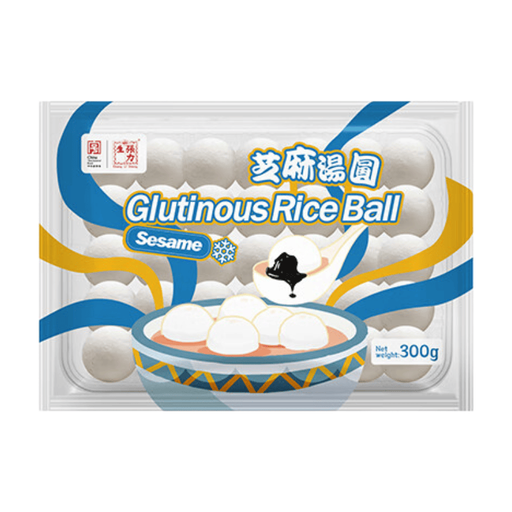
Why This Fits Their Persona: A straightforward entry point for shoppers wanting a familiar sesame tang yuan pack for family desserts or occasional sweet soups.
The listing clearly states the 300g weight, 6.4% black sesame content, frozen storage and cooking-from-frozen method.
Boils directly from frozen; the package identifies sesame and possible cross-contact allergens.
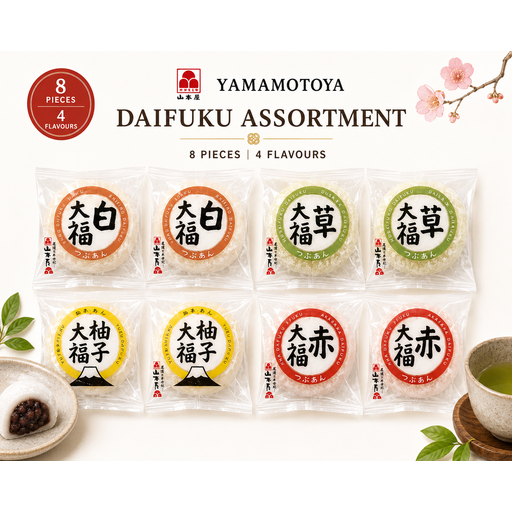
Why This Fits Their Persona: Suitable for Japanese food enthusiasts who want several wagashi flavours in one selection for tea time or sharing.
The bundle lists its component flavours and allergen information, making it easier to compare variety rather than buying several packs separately.
Includes red bean, white bean, mugwort and yuzu varieties; individual 100g products provide flavour diversity.
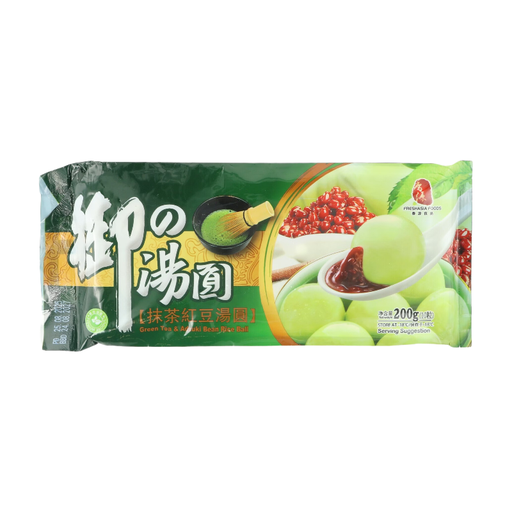
Why This Fits Their Persona: A practical option for matcha and red bean fans who want to serve rice balls in sweet soup or as a warm dessert.
It provides both boiling and steaming guidance, plus green tea powder and red bean powder quantities on the listing.
Cook from frozen in approximately 5–7 minutes by boiling; suitable for vegetarian dessert preparation according to the listing.
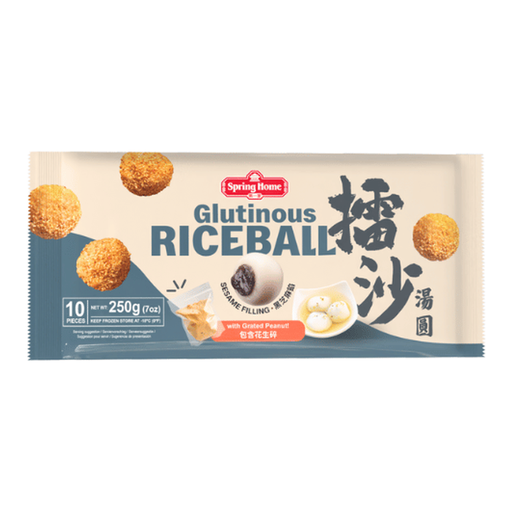
Why This Fits Their Persona: Designed for a more substantial shared dessert, particularly when served warm with ginger or brown-sugar soup.
The listing identifies peanuts, sesame and wheat, and explains that the supplied grated peanut coating is added after boiling.
250g pack with 10 rice balls; cooks from frozen in approximately 6–8 minutes.
For a lighter, ready-to-portion alternative, frozen sorbet mochi such as lemon and elderflower varieties can be served after a short five-minute rest outside the freezer. Check the pack for allergen statements, including possible milk, nut or peanut traces.
We have compiled a complete, real-time list of products that fully satisfy these strict selection criteria and UK safety regulations.
Place the frozen glutinous rice balls gently into plenty of boiling water without defrosting. Stir carefully to reduce sticking. Once they float, lower the heat and continue cooking for the time stated on the packaging. Filled products often need a further two to three minutes.
Only if the product instructions say so. Sorbet mochi is commonly served frozen with a short resting period for a softer texture. Tang yuan and many filled glutinous rice balls are not ready to eat and require cooking.
Keep them at -18°C or below and follow the best-before information on the packaging. Avoid refreezing after defrosting, and keep the freezer door closed as much as practical to help maintain a stable temperature. Always check packaging for the final storage guidance.