
24/7 Customer Support

Free returns

Same-day & Next-day Delivery

Quality Guaranteed

Unlock Your Welcome Offers: FREE Delivery | Up to 80% OFF | Free 30-day JoyPlus trial
Download the APP
Frozen Asian food can make a convenient lunch, quick dinner or dim sum-style spread at home. However, attractive packaging does not always tell you what you need to know. When choosing Asian frozen mushroom food, the important details are usually hidden in the ingredients, storage instructions and cooking method.
This guide explains the common buying traps, the specifications worth checking and a few suitable options for different UK households.
A product can feature mushrooms while also containing pork, chicken, shrimp or animal fats. For example, mushroom dumplings may include shiitake alongside pork, while mushroom shumai can contain pork even when the mushroom flavour is prominent.
If you follow a vegetarian or vegan diet, check the complete ingredient list rather than relying on the product image or front-of-pack wording. Also look for allergens such as wheat, soya, sesame and crustaceans.
Many frozen dumplings, steamed buns and shumai contain uncooked dough or filling. They must be heated thoroughly before eating. “Ready to cook” generally means preparation is simple, not that the product can be eaten straight from the freezer.
A product such as a frozen Chinese dumpling may need boiling, steaming or pan-frying. Follow the pack instructions, particularly where they specify a minimum cooking time or an internal temperature.
Most products in this category require storage at -18°C or below. Repeated thawing and refreezing can affect texture and may create food-safety concerns. Check that the pack will fit comfortably in your freezer and portion out only what you intend to cook.
Some items cook directly from frozen, while others require thawing. These instructions are not interchangeable, so check before preparing a meal.
For vegetarian mushroom dumplings, inspect whether the filling contains tofu, tofu skin, vegetables, glass noodles or wheat gluten. Mushroom and bamboo shoot dumplings can provide a more textured filling, while vegetable steamed buns may contain a larger proportion of dough than filling.
For vegan Asian food, check for milk, egg, meat, seafood and animal-derived fats. “Vegetarian” and “vegan” are not always used consistently across different products, so the ingredient list remains the practical reference.
Also note that plant-based products may still contain common allergens. Wheat wrappers, soya-based sauces and sesame oil are frequent ingredients in frozen Asian snacks and dumplings.
Pack weights range from small snack portions to multi-pack meal formats. A 400g or 450g pack may work for a quick meal or sharing plate, while a 1.98kg multi-pack of mushroom noodles is more suited to families, student households or regular freezer planning.
Individual pieces can also make portion control easier. This is useful for shumai, dumplings and buns when different people want different quantities.
Choose the cooking method that fits your kitchen routine:
Cooking times vary. For example, one mushroom and bamboo shoot dumpling product is designed to be boiled, steamed or pan-fried from frozen, while certain steamed buns require around 10–12 minutes in a steamer. Always use the product’s own instructions.

Why This Fits Their Persona: A practical starting point for students, couples or smaller households wanting a flexible vegetarian-style meal without buying several different products.
The product name clearly identifies mushroom and bamboo shoot fillings, while the ingredient list also identifies wheat, soya and sesame allergens.
450g pack; contains 11% mushroom and 11% bamboo shoot; suitable for boiling, steaming or pan-frying from frozen.
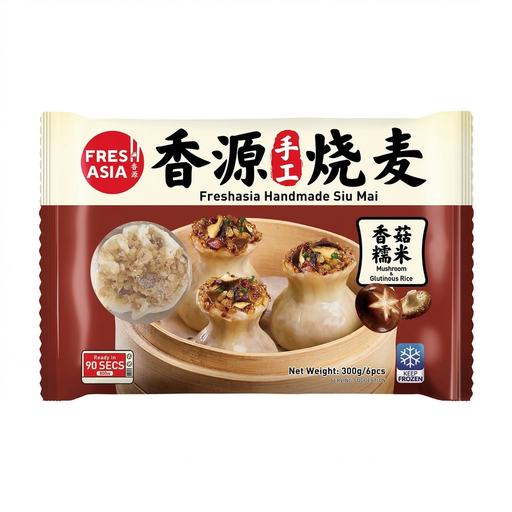
Why This Fits Their Persona: A good match for shoppers creating a more structured dim sum meal at home, with six pieces that can be served as a starter or shared plate.
The pack states that the filling includes pork as well as 6% mushroom, preventing confusion for shoppers seeking a meat-free shumai.
Six-piece format; steam from frozen for 10–15 minutes; microwave guidance is also provided for smaller servings.
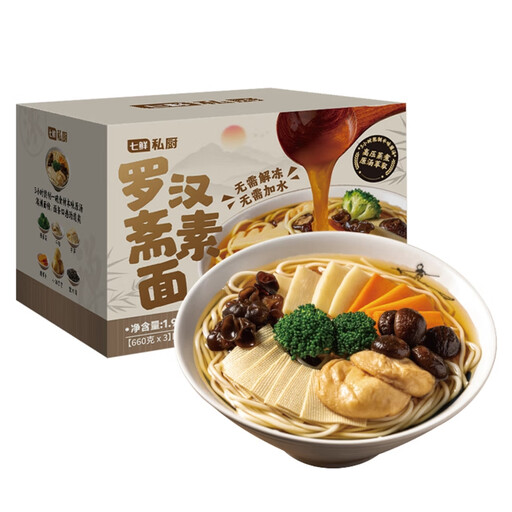
Why This Fits Their Persona: A larger freezer option for families, shared accommodation or busy professionals who want mushroom noodles available for several meals.
The product provides a defined 3 × 660g format and states that no thawing is needed, helping shoppers plan storage and preparation.
Three-pack format; mushroom, bamboo shoot, carrot and tofu sheet ingredients; direct boiling preparation.
We have compiled a complete, real-time list of products that fully satisfy these strict selection criteria and UK safety regulations.
For a lighter plant-based meal, chive and mushroom dumplings or bok choy and mushroom dumplings offer vegetable fillings with wheat wrappers. Chinese steamed buns with mushroom, bamboo shoot or beancurd skin fillings can work as portable breakfasts or substantial snacks.
For a non-frozen cupboard option, dried king oyster mushrooms can be soaked and washed before adding to soups and stir-fries. Mushroom crisps and konjac snacks are also available as ready-to-eat alternatives, although their seasoning and salt content should be checked against your preferences.
Some are, but not all. Check for pork, chicken, shrimp, fish products or animal fats. Products containing tofu, vegetables, mushrooms and bamboo shoots may suit vegetarian shoppers, but wheat, soya and sesame allergens can still be present.
Many dumplings are designed to be cooked from frozen, especially by boiling, steaming or pan-frying. However, instructions differ between products. Do not assume that a method suitable for one pack will work for another.
Keep products at -18°C or below and follow the best-before date on the packaging. Do not refreeze food after it has thawed unless the packaging specifically permits it. Once opened, cook the required portion promptly and keep the remainder stored as directed.