Hosts feeding a group
If you are planning a home buffet, piece counts and pack weights help you judge whether the food will cover your guest list without leaving more than you can use or store.


For a festival-style gathering at home, choose frozen food by the quantity you can use, your guests’ dietary needs and the space and time available to prepare it. Sharing packs suit a buffet when you can serve and store the contents; individual ready meals make more sense for a small seated group, while dietary filters are only a starting point for checking each pack.
If you are planning a home buffet, piece counts and pack weights help you judge whether the food will cover your guest list without leaving more than you can use or store.
Vegetarian, vegan and free-from browsing categories can help you make a shortlist. Check the current ingredients and allergen information on every product you intend to serve.
When a few guests need a seated meal rather than grazing food, individual or two-person frozen meals may fit the occasion better than a large assortment of snacks.
Decide whether guests need a meal or a buffet first, then match the packs to your headcount, storage space and preparation schedule.
| Priority | What to check | Your needs |
|---|---|---|
| Usable quantity | Check pack weight, piece count and any stated servings. Consider whether each item is a snack, side or main meal. | I need enough food for the guests without treating a few nibbles as a complete meal. |
| Meal format | Compare countable finger food for a grazing table with individual or two-person meals for seated diners. | For a small sit-down gathering, I would rather plan complete portions than assemble a large buffet. |
| Storage and leftovers | Check how many packs will fit in the freezer and how much you can realistically serve. Buy extra offer items only if you can use them. | Freezer space is limited, and I do not want unopened packs left over after the gathering. |
| Dietary suitability | Use category filters to shortlist, then read each final pack’s ingredients, allergen statement and relevant dietary labelling. | Guests need to be able to identify food that fits their own dietary requirements. |
| Preparation | Check each pack’s cooking method, defrosting instructions and appliance requirements before planning the serving time. | Several dishes may need the oven at once; I need a menu I can prepare with the space and time available. |
A pack of snacks may contain plenty of pieces yet still leave a group needing a main dish or sides.
Plan the guest count and menu first, then check pieces, weight and any stated servings for each pack.
Extra packs are less useful if they exceed what guests will eat or what your freezer can hold.
Start with the food you would buy anyway; check which items qualify before adding anything else.
Products shown in the same browsing category can have different ingredients and allergen statements.
Read the current label for every chosen product and check it against each guest’s requirements.
Preparation methods affect how much oven space and advance time a mixed menu needs. GOV.UK food-hygiene guidance says food should be fully defrosted before cooking unless the manufacturer instructs you to cook it from frozen.
Check each pack before buying and plan any required defrosting in the fridge alongside the cooking schedule.
These retailer examples help distinguish buffet shopping from smaller meal planning; check the final product information for your chosen packs.
M&S has a frozen party-food category with dietary browsing filters.
Waitrose’s frozen ready-meal range is relevant when guests need individual dishes rather than a grazing table.
Tesco has a frozen party-food category for assembling a buffet.
Sainsbury’s frozen party-food category includes larger, countable packs.
Iceland has a dedicated frozen party-food and platters section.
These Joybuy options are frozen snacks for a sharing table, rather than individual ready meals. Compare their pack counts where stated, and check dietary labels and cooking instructions for the menu you plan to serve.
 No image available
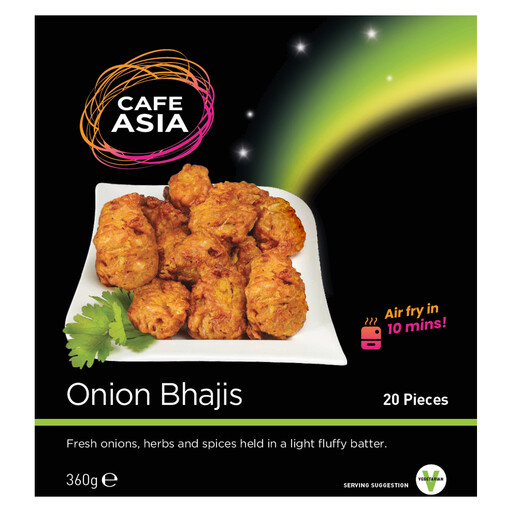
These bite-sized bhajis suit a sharing board; check the pack’s piece count and cooking directions when planning portions. Contains soya and may contain wheat (gluten) and mustard, so check the current label for guests’ needs.
 No image available
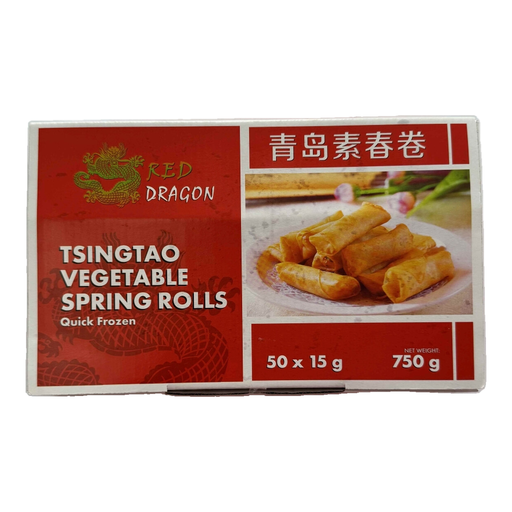
The stated piece count helps with a larger buffet plan; check the packaging for cooking instructions before scheduling preparation. Contains wheat (gluten), soya and sesame.
 No image available
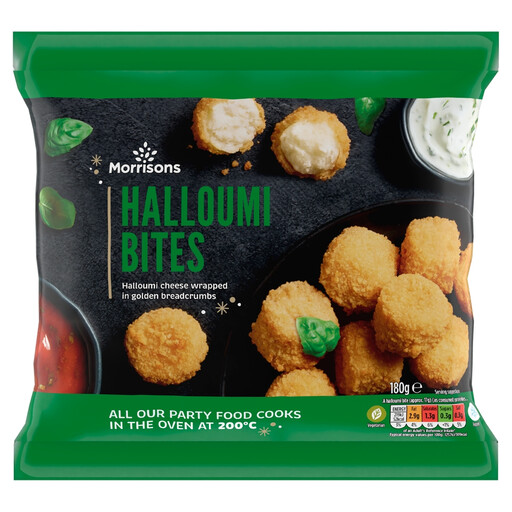
For a sharing menu, check the pack’s stated servings against your guest count and its cooking directions against your available appliances. Contains milk and wheat (gluten), and may contain eggs, mustard and soya; check the current label.
 No image available
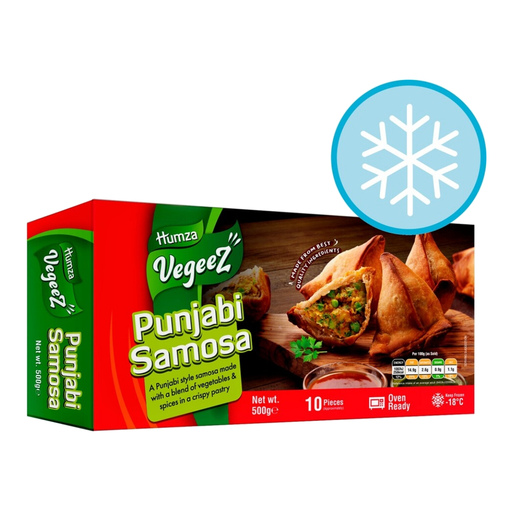
The 10-piece pack can be counted into a buffet plan; check its cooking directions when arranging oven time. Contains wheat (gluten) and is not suitable for guests with a wheat allergy or coeliac disease.
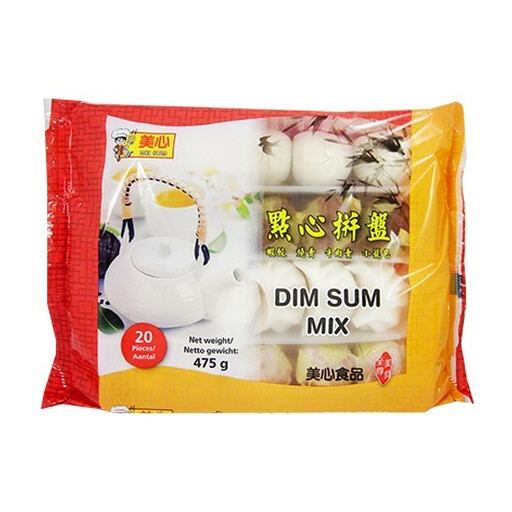 No image available
This mixed platter suits a snack table if steaming fits your preparation schedule; check the pack for its full cooking directions. Contains crustaceans, wheat, soya and sesame, so confirm the current label before serving.
Start with what each pack will contribute to your menu, then compare its weight, piece count and any stated servings. A snack pack with many pieces is not necessarily enough for guests who need a main meal.
Only if you want the qualifying food and can store and use it. Check which products qualify, then compare the resulting quantity with your guest count and freezer space.
No. GOV.UK food-hygiene guidance says food should be fully defrosted before cooking unless the manufacturer’s instructions say to cook it from frozen. Check each pack and allow fridge space and time for products that require defrosting.
No. Use filters to narrow the choices, then read the current ingredients and allergen information for every product you plan to serve.