Group picnic organisers
Sharing packs can work when several people want the same food. Check the piece count and pack weight against the number of guests, rather than assuming a large pack will all be eaten.


For a group picnic, frozen sharing food makes sense when everyone can use the pack and you can cook and chill it before travelling. For one or two people, portioned frozen ready meals make quantities easier to plan, though they may need plates and cutlery. Whichever format you choose, compare the amount you will actually serve and keep cooked food chilled outdoors, in line with Food Standards Agency guidance.
Start with the number of people eating and whether you want a shared spread or planned individual servings.
Sharing packs can work when several people want the same food. Check the piece count and pack weight against the number of guests, rather than assuming a large pack will all be eaten.
A meal for one or two gives you a defined serving to plan around. Consider how you will cook it, carry it chilled and serve it outdoors.
Build the menu around the exact items guests can eat. Check each pack’s ingredients, allergen information and cooking instructions; a retailer’s wider range does not establish that a particular item is suitable.
Decide on servings and menu format first, then make sure the cooking and chilled transport plan works for the food you choose.
| Priority | What to check | Your needs |
|---|---|---|
| Usable quantity | Compare pack weight, piece count and the number of people eating. Check whether you can use every pack you plan to take. | I’m feeding a group and want enough for everyone without planning around food that is unlikely to be eaten. |
| Serving format | Look for sharing pieces if guests will help themselves, or defined portions if meals are planned individually. Check whether plates and cutlery are needed. | For a small picnic, I would rather plan one meal per person; for a group, a shared spread may be easier to serve. |
| Cooking and transport | Follow the pack’s cooking instructions and plan how cooked food will be chilled before travel. The Food Standards Agency advises using a cool box or cool bag with ice or frozen gel packs for food that needs refrigeration. | I need a cooking plan that leaves time to chill the food and carry it cold until we eat. |
| Dietary suitability | Read the selected pack’s ingredients, allergen information and dietary labelling. Check each variety in a mixed selection separately. | Some guests need a particular dietary option, so the exact food matters more than the range it comes from. |
A larger selection may leave you with cooked food that cannot be kept chilled or eaten during the picnic.
Count guests and likely servings before choosing pack sizes, and check that the varieties suit the people attending.
Meals for one or two give defined portions, but several separate dishes can complicate cooking and outdoor serving when everyone expects to share.
Choose portioned meals when individual servings are the plan; consider finger food or sharing packs when guests will serve themselves.
The Food Standards Agency warns that bacterial risk increases after food has spent four hours or more at warm temperatures of 8°C and above. In extremely hot weather, it advises using food within two hours of its being out of the fridge.
Carry food that needs chilling in a cool box or cool bag with ice or frozen gel packs. Keep it shaded and take food out when it is needed.
These retailer ranges illustrate different picnic-food formats; check the individual item before deciding what fits your menu.
Tesco Groceries lists frozen party food, including a 50-pack of sausage rolls and other sharing items.
Iceland Foods has a dedicated frozen party-food and platter range for shared spreads.
Waitrose & Partners lists frozen ready meals with single and for-two formats.
M&S describes frozen pies, seafood dishes, Plant Kitchen options and sharing foods such as pizzas and garlic bread.
These frozen savoury items are options for a cooked picnic spread, rather than a selection of portioned ready meals. Plan cooking, chilling and servings around the individual pack.
 No image available
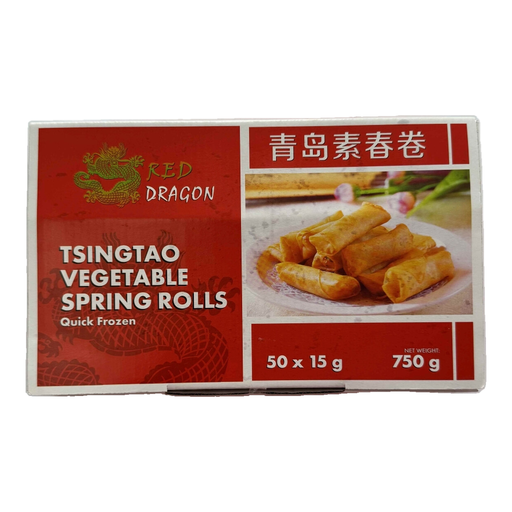
The stated 50-roll pack gives a group a piece count to plan around. Cook according to the pack directions, then chill the cooked rolls for transport.
 No image available
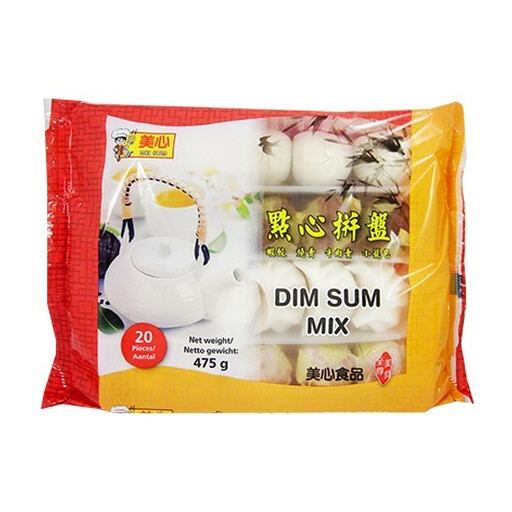
A mixed platter suits a shared savoury spread if its varieties work for your guests. Check the pack weight and serving quantity when planning the group’s food; steam according to the pack instructions and chill before travel.
 No image available
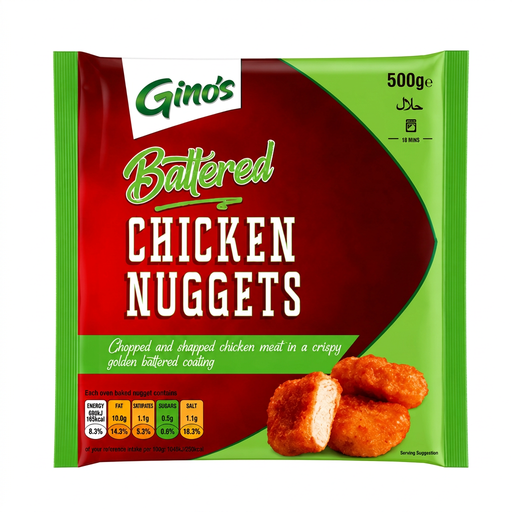
The 500g pack is a finger-food option for a shared menu; check the piece count when planning servings. Cook thoroughly according to the pack, chill before transport and note the product information’s caution that some bones may remain.
 No image available
The tofu and vegetable filling offers a meat-free savoury item for the spread. Check the pack for guest-specific dietary requirements and piece count; cook thoroughly as directed and chill before taking the dumplings outdoors.
 No image available
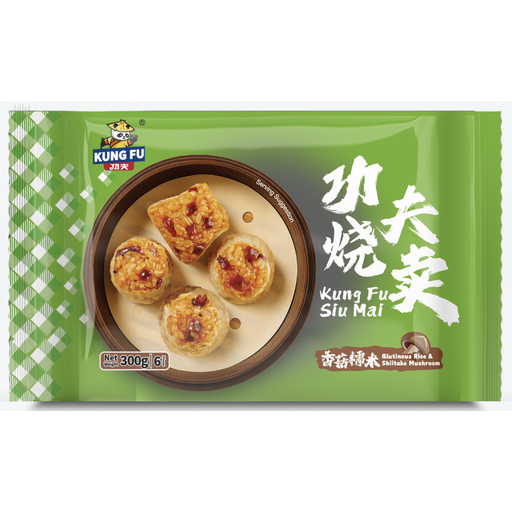
This 300g siu mai pack offers a savoury item for a shared picnic menu. Check the piece count and ingredients for your group; follow the pack’s cooking directions and chill the food before transport.
Yes, if you cook it as directed and then keep food that needs refrigeration chilled for travel and serving. The Food Standards Agency advises carrying it in a cool box or cool bag with ice or frozen gel packs and taking it out when needed. In extremely hot weather, it advises using food within two hours of its being out of the fridge.
Compare its weight and piece count with the number of guests and the other dishes you plan to serve. A larger pack is useful only if people can eat the food and you can cook and keep it chilled as needed.
Choose ready meals for planned individual or small-group servings when you can bring what you need to serve them. Finger food or sharing packs suit a self-serve spread for several people. Either choice needs appropriate cooking and chilled transport.
Consider how long it has been warm rather than assuming it can go back in the fridge. The Food Standards Agency warns that bacterial risk increases after four hours or more at 8°C and above, and advises a shorter two-hour period in extremely hot weather. Keep food that needs refrigeration chilled during the outing.