A frozen meal is a practical picnic choice when you can follow its cooking instructions and keep food that needs refrigeration cool in transit. Without suitable cooking facilities, food intended to be eaten cold may be easier to serve, but chilled food still needs a cool bag or box, as the Food Standards Agency advises. For a reduced-fat choice, compare total fat, saturates, salt and energy per 100g and per serving rather than relying on the range name alone.
Who should consider a frozen option?
Picnickers with cooking facilities
A frozen main is worth considering if an oven, microwave or other method specified on its pack will be available and the food can be served after cooking. Check the method before planning to cook at a campsite or barbecue venue.
Shoppers comparing fat content
If fat content matters to your choice, compare similar meals using the nutrition panel. NHS food-label guidance distinguishes total fat from saturates and shows why per-100g and per-portion figures answer different questions.
Families spending longer outdoors
A cool box or bag needs room for food normally kept in the fridge, as well as ice or frozen gel packs. Plan when portions will be served rather than leaving chilled food out throughout the picnic.
What should you check before choosing?
Frozen ready meal
Choose when: You have the cooking equipment specified on the pack and can serve the meal promptly.
Consider: A calorie-controlled range name does not establish the meal’s fat or salt content; check its label and how you will transport it.
Frozen barbecue item
Choose when: Your picnic includes suitable cooking equipment and you can follow any required refrigerator defrosting instructions.
Consider: Tesco says its Reduced Fat Beef Burgers cannot be cooked from frozen, so they need preparation before the picnic.
Food served cold
Choose when: Dependable cooking facilities will not be available at the picnic.
Consider: Food normally stored in the fridge still needs to be kept cool during transport and serving, according to the Food Standards Agency.
| Priority |
What to check |
Your needs |
| Cooking |
Read the exact pack’s cooking method and any defrosting instructions. Check that the required equipment will be available before serving. |
If I am cooking at the picnic, the meal has to work with the equipment there. Otherwise, I would choose something intended to be eaten cold. |
| Chilled transport |
Check whether the food must be kept refrigerated. For such food, the Food Standards Agency advises a cool bag or box with ice or frozen gel packs. |
For a longer outdoor stay, I need enough cool-box space for food that must stay chilled, not just for drinks. |
| Nutrition label |
Compare similar foods per 100g, then check the values for the portion you expect to eat. Look separately at total fat, saturates, salt and energy, as shown on NHS-described food labels. |
‘Reduced fat’ or ‘calorie controlled’ does not tell me everything I want to know about the meal or my serving. |
| Portions |
Check the number and size of servings, and plan how food needing refrigeration will be held before and after serving. |
If we are sharing food, a pack that fits the group makes serving simpler and leaves less to manage outdoors. |
Picnic planning mistakes to avoid
-
Treating nutrition range names as equivalent
‘Calorie controlled’, ‘healthier’ and ‘reduced fat’ describe different things; none replaces the figures for total fat, saturates, salt and energy on an individual pack.
Compare similar meals per 100g, then check whether the stated portion reflects what you plan to serve.
-
Assuming a frozen item can be cooked at the venue
Preparation varies by product. Tesco’s Reduced Fat Beef Burgers, for example, are not suitable for cooking from frozen and require refrigerator defrosting.
Read the exact pack’s defrosting and cooking directions before choosing it for a barbecue or campsite picnic.
-
Leaving chilled storage until the last minute
The Food Standards Agency advises keeping foods normally stored in the fridge cool at a picnic. Cooking beforehand does not remove the need to handle a chilled dish appropriately on the journey.
Pack those foods in a cool bag or box with ice or frozen gel packs, and take out portions as they are needed.
The cool bag or box and its ice or gel packs take up carrying space alongside the meal.
Retailer ranges to explore
Range names can help you find candidates, but check each product’s storage instructions and nutrition panel before deciding whether it suits the picnic.
Tesco
Tesco lists frozen under-500-calorie ready meals and offers a low-fat filter for frozen food.
- Its frozen ready-meal listing includes Tesco Calorie Controlled meals and The Gym Kitchen meals.
- A calorie-controlled listing and a low-fat filter are not interchangeable nutrition claims; compare the exact product label.
Sainsbury's
Sainsbury's lists Calorie Counted and Be Good to Yourself ready meals among its relevant search results.
- Named listings include Chicken Tikka Masala, Beef Lasagne and Cottage Pie options.
- Confirm the chosen item’s storage state, nutrition values and cooking directions rather than relying on the range name.
M&S
M&S describes its Count On Us dishes as calorie controlled and lists a wider ready-meal range.
- The Count On Us range offers a starting point for comparing individual meals.
- The cited range information does not establish that every dish is frozen or reduced fat; check the chosen pack.
Iceland
Iceland has a frozen-ready-meals category and markets a Slimming World range that includes ready meals and lunch bowls.
- Its frozen category is a direct place to look for meals that match a planned cooking method.
- The range name does not establish an individual meal’s total fat, saturates or salt; read its label.
Waitrose
Waitrose lists Love Life Calorie Controlled within its fresh and chilled ready-meal categories.
- These listings may be useful if a chilled meal served according to its instructions fits your picnic plan.
- The cited categories are not evidence of a frozen reduced-fat range; check storage and nutrition details for each meal.
Joybuy picnic option
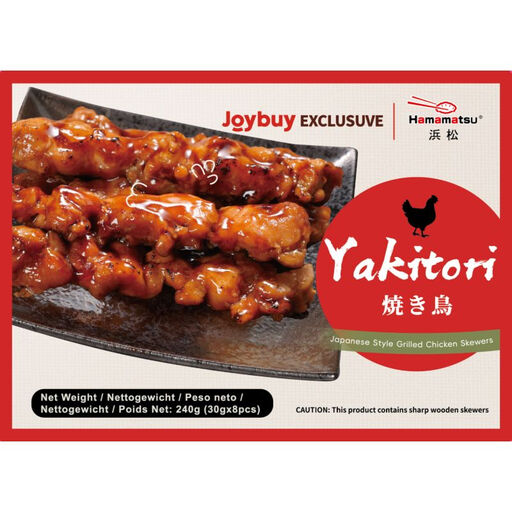
This skewer pack is an option to consider for a picnic with suitable cooking facilities. It is not a complete frozen ready meal, and its name does not establish a reduced-fat claim.
 No image available
Grilled Skinned Chicken Drumstick Skewers, 30g × 8
The eight-skewer, 240g pack is a sharing format to consider when cooking is part of the picnic plan. Check the exact pack’s cooking directions, nutrition panel and chilled-transport requirements before buying; do not assume the skewers can be served without preparation.
View on Joybuy
Frequently asked questions
Does a reduced-fat label settle the choice of picnic meal?
No. Compare similar products using total fat, saturates, salt and energy per 100g, then check the serving you expect to eat. NHS food-label guidance treats total fat and saturates as separate figures.
Can I cook a frozen meal before leaving for a picnic?
Only plan to take it if you can follow the meal’s instructions and keep it appropriately chilled until serving. The Food Standards Agency advises using a cool bag or box with ice or frozen gel packs for foods normally kept in the fridge.
Can reduced-fat burgers go straight from the freezer onto a picnic grill?
Not necessarily. Tesco says its Reduced Fat Beef Burgers are not suitable for cooking from frozen: its instructions specify at least 12 hours of refrigerator defrosting, use on the same day after defrosting and no refreezing. Follow the directions on the exact product you buy.
What should I pack for food that needs to stay chilled?
Use a cool box or bag with ice or frozen gel packs for food normally kept in the fridge, following Food Standards Agency picnic guidance. Food Standards Scotland also advises distributing cold packs through the container and taking out ready-to-eat food as needed.
Can I compare retailers’ lighter-meal ranges by their names?
No. ‘Calorie controlled’, ‘low fat’ and other range descriptions do not provide a like-for-like comparison, and the cited retailer categories include both frozen and chilled options. Check each product’s storage state, cooking directions, allergens and nutrition panel.


