One person planning a hot lunch
A single-serve frozen meal is worth considering if you can cook it as directed before eating. Check the portion and preparation method rather than assuming that a ready meal can be served cold.


Frozen food makes sense for a picnic lunch when you can store, cook and serve it according to the pack instructions. A single ready meal suits a hot lunch for one, while sharing snacks fit a group more naturally; without a workable cooking and storage plan, choose a ready-to-eat picnic format instead. Judge value by the amount you will actually serve, not pack size alone.
A single-serve frozen meal is worth considering if you can cook it as directed before eating. Check the portion and preparation method rather than assuming that a ready meal can be served cold.
Party food, platters and other sharing formats fit a group menu more naturally than several individual dinners. Check how much the pack serves and whether you can cook and handle it as directed.
If you cannot prepare a frozen meal as its label requires, choose food intended to be ready to eat. Check that its own storage instructions also fit the journey and picnic.
Start with the cooking and storage plan, then choose a pack format that matches the number of people eating.
| Priority | What to check | Your needs |
|---|---|---|
| Pack format | Check whether the pack is a single meal, a set of snacks or sharing food. Look at its weight and stated serving guidance. | For lunch on my own, one portion may be enough. For a group, I want food we can serve without preparing several separate dinners. |
| Cooking | Read the exact pack instructions and confirm that the required equipment and preparation time fit your plans. | If cooking has to happen before we leave, I need a practical way to prepare the food as directed before serving it. |
| Storage and handling | Check the storage, defrosting and serving instructions for the chosen product. Plan how you will follow them during transport. | I need the food to remain suitable for the journey as well as the meal itself; a frozen pack does not remove the need for a transport plan. |
| Ingredients | Check the exact item’s ingredients and allergen declaration, plus its portion size and cooking method. | For a vegetarian or other specified menu, I need to check each product rather than rely on the retailer’s range name. |
A ready meal may require frozen storage and cooking before it can be served, making it unsuitable for a picnic without the necessary facilities.
Plan storage, preparation and transport around the exact pack instructions. If that cannot work, choose a ready-to-eat format instead.
Several single-serve meals may mean several separate cooking and serving steps when the group needs food to share.
Look at party food, snacks or platters for a group, then check the serving guidance and cooking instructions for each pack.
Ingredients, allergens and preparation methods can differ between products in the same frozen range.
Read the exact product information and pack label before choosing food for a specified diet or allergy.
These retailer ranges illustrate different meal and sharing formats; suitability still depends on the individual product.
Frozen ready meals sit alongside party food and sharing options for gatherings.
The frozen ready-meal range includes individual 400 g dishes, meals for two and vegetarian options.
Its frozen-food categories include ready meals, party food, and easy meals and snacks.
Its frozen selection includes individual ready meals alongside pies and party food.
Frozen ready meals are organised into traditional, Italian, Indian, Chinese and Asian, children’s and other categories.
Its frozen ranges include ready meals as well as party food, buffet boxes and platters.
These options focus on cooked snacks and sharing food, plus a plant-based product described for prepared sandwiches or salads. They are not substitutes for a ready-to-eat lunch when you cannot follow their cooking and storage instructions.
 No image available
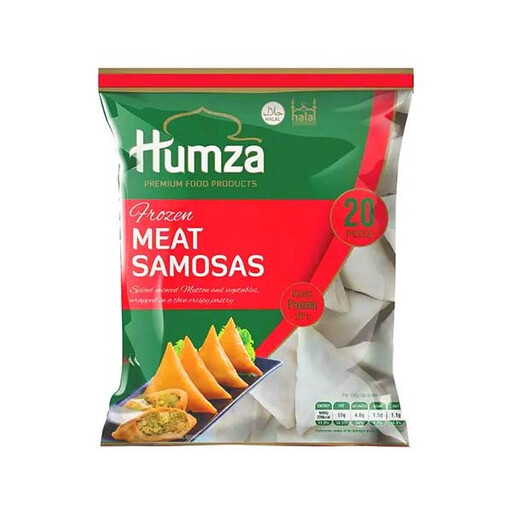
The 20-piece pack is a sharing option for a picnic where cooking can be completed before serving. Follow the frozen storage and cooking directions, and plan how to transport the prepared food.
 No image available
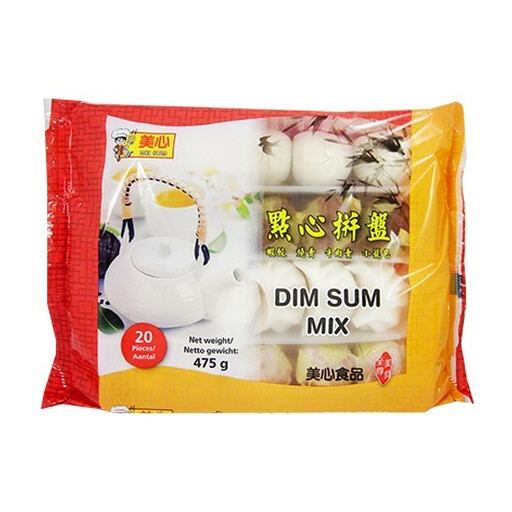
A platter format to consider for a group picnic if you can steam it before serving. Check the pack’s serving guidance and instructions, including how to handle it during the journey.
 No image available
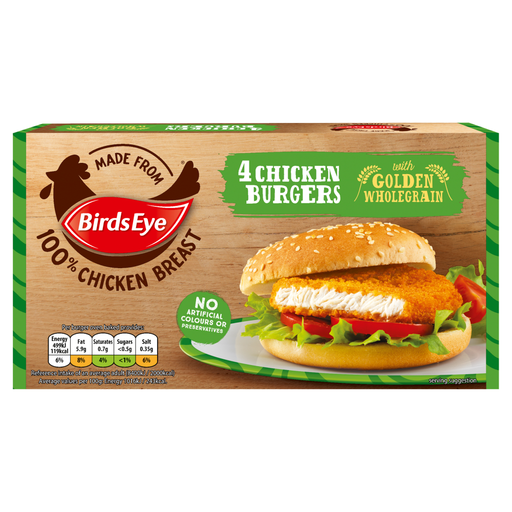
Four burgers provide a defined quantity for a small cooked lunch. This option requires oven cooking and a suitable plan for transporting and serving the cooked food.
 No image available
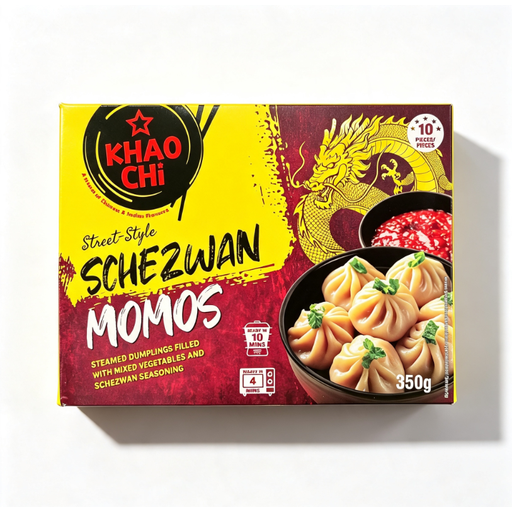
These momos are an option for a vegetarian snack menu when proper steaming is possible before serving. Do not substitute microwave heating for the required steaming; follow the pack’s storage and cooking directions.
 No image available
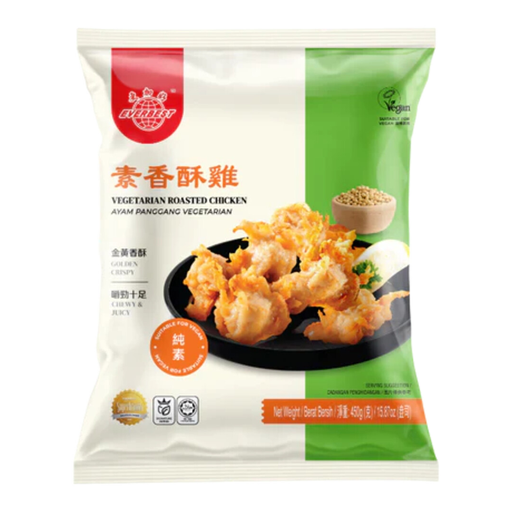
This plant-based product is described for prepared sandwiches or salads, which may fit a meat-free picnic menu. It requires cooking before use; check the pack instructions and plan storage and transport accordingly.
Do not assume that a frozen ready meal can be eaten cold. Follow its exact storage, defrosting and cooking instructions; if you cannot prepare it as directed, choose a ready-to-eat alternative. Food Standards Agency guidance identifies storage, handling and intended use as relevant to food safety.
Check the portion size, cooking method and storage instructions against your plans for the journey and lunch. A meal intended for one person is useful only if you can prepare and serve that particular dish as directed.
Start with sharing or party-food formats if the group will eat together, rather than assuming several individual ready meals will be convenient. Check how much each pack serves and whether you can complete its cooking and handling steps before serving.
Choose a ready-to-eat format unless you can fully prepare the frozen food beforehand and follow its instructions during transport and serving. Do not treat defrosting as a substitute for a required cooking step.
Read the ingredients and allergen declaration for the exact product, then check its pack label before preparation. Products within the same retailer range can have different ingredients and cooking instructions.