Campers with powered cold storage and suitable cooking equipment
Frozen pizza is an option when your setup can meet the exact pack’s storage and cooking instructions throughout the trip. Check both capabilities before buying.


Take frozen pizza camping only if you can keep it frozen as the pack directs and cook it using suitable equipment; without dependable temperature control, plan a different meal. To choose a pizza with less fat than another, compare their current labels per 100 g rather than judging by crust style: Dr. Oetker lists 7.8 g for Ristorante Pollo and 12 g for Ristorante Mozzarella.
Frozen pizza is an option when your setup can meet the exact pack’s storage and cooking instructions throughout the trip. Check both capabilities before buying.
Use the nutrition panel’s fat figure per 100 g to compare pizzas of different sizes, then check the portion figure for the amount you expect to eat. A thin base alone does not establish a lower fat value.
If you cannot maintain the required storage temperature, choose food that does not need frozen storage. The Food Standards Agency cautions that a cool box is unlikely to keep food chilled for an extended period.
Check storage and cooking first: a favourable nutrition figure will not make a frozen pizza practical if you cannot keep or prepare it as directed.
| Priority | What to check | Your needs |
|---|---|---|
| Cold storage | Read the exact pack’s frozen-storage and thawing instructions. Check whether your equipment can maintain the required temperature through transport and the trip; the Food Standards Agency says a cool box is unlikely to keep food chilled for an extended period. | For a longer trip, I need a dependable way to keep the pizza at its stated storage temperature until cooking. |
| Fat comparison | Compare fat per 100 g on current nutrition panels, then check fat per portion. Dr. Oetker lists 7.8 g per 100 g for Ristorante Pollo and 12 g for Ristorante Mozzarella. | I want to compare the recipes on the same basis, not assume that a thin crust or a particular topping means less fat. |
| Cooking method | Check the appliance, temperature and time on the exact pack before relying on campsite equipment. Dr. Oetker’s instructions for Ristorante Pollo and Ristorante Mozzarella specify a conventional oven at 220°C. | If I only have a camping stove, I need to confirm that the pizza’s instructions allow the equipment I can use. |
Dr. Oetker’s Ristorante Pollo and Ristorante Mozzarella have different manufacturer-listed fat values despite both being thin-and-crispy pizzas.
Compare the current per-100-g figures, then look at the portion values for the amount you plan to eat.
The Food Standards Agency warns that a cool box is unlikely to keep food chilled for an extended period. A pizza that must remain frozen needs storage that meets its pack instructions.
Confirm how you will maintain the required temperature from shopping to cooking; otherwise, plan a meal that does not require frozen storage.
Dr. Oetker’s instructions for Ristorante Pollo and Ristorante Mozzarella specify a conventional oven at 220°C. A camping stove is not automatically a substitute.
Check the exact pack’s method against the appliance available at your pitch before packing the pizza.
Goodfella’s Stonebaked Thin Margherita instructions say not to refreeze after defrosting.
Follow the thawing and storage directions on the particular pizza you buy rather than assuming it can go back into a freezer.
The manufacturer publishes nutrition and oven instructions for individual Ristorante recipes, making the exact pizza—not the range name—the useful comparison.
The Stonebaked Thin range is worth considering if you prefer that base style, but its name does not establish the fat content of an individual pizza.
Chicago Town describes a range of pizza formats, including deep-dish and stuffed-crust products. Choose by the individual product’s label and cooking instructions rather than by range format.
These frozen pizzas are options to consider for a camping setup with dependable cold storage. Compare each current pack’s nutrition and cooking directions with the equipment you will have.
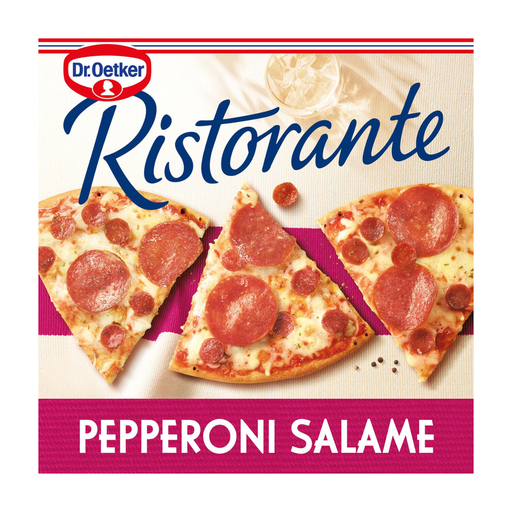 Image unavailable
For a trip with frozen storage and oven access, compare the current pack’s fat per 100 g with other pizzas and check its cooking directions before packing.
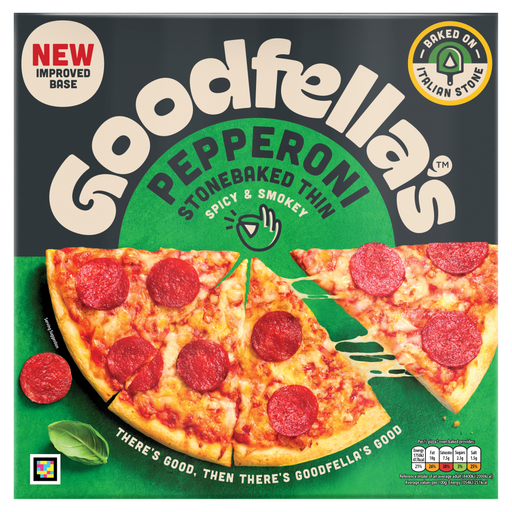 Image unavailable
If this thin-base format appeals, use the current nutrition panel for the fat comparison rather than the crust description. Confirm the pack’s frozen-storage and cooking directions against your camping setup.
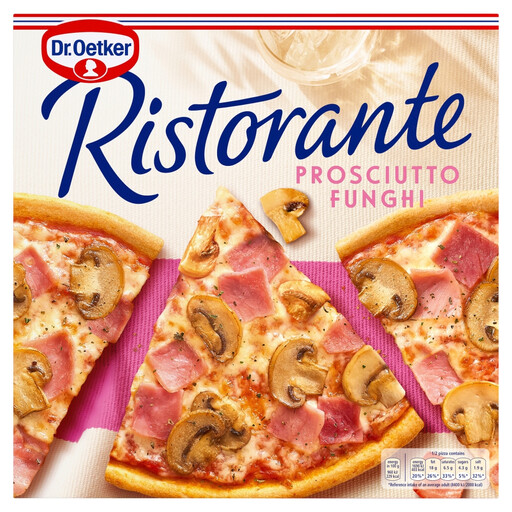 Image unavailable
Compare its current per-100-g fat figure with the other recipes you are considering. Before taking it camping, check that you can meet its storage and cooking instructions.
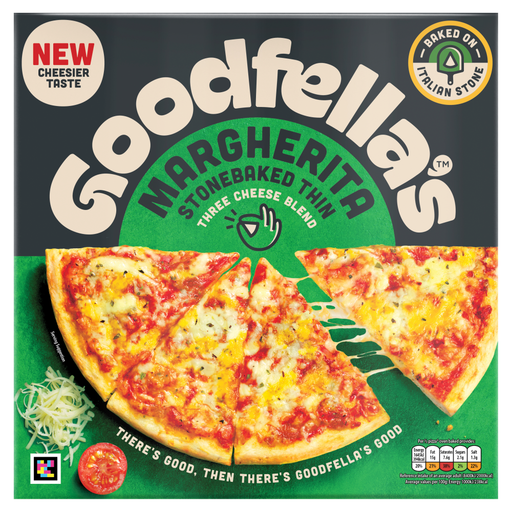 Image unavailable
Use the pack’s nutrition panel to compare this recipe by fat per 100 g. Check its frozen-storage requirement and full cooking method before deciding whether it fits the trip.
Yes, if you can meet the pizza’s frozen-storage and cooking instructions throughout the trip. The Food Standards Agency says a cool box is unlikely to keep food chilled for an extended period, so do not rely on one for a longer trip without dependable temperature control.
No. Compare fat per 100 g on the current labels: Dr. Oetker lists 7.8 g for Ristorante Pollo and 12 g for Ristorante Mozzarella, although both are thin-and-crispy recipes. Check the portion figure too if you expect to eat more than one serving.
Do not assume a stove will work for a pizza whose instructions specify an oven. Dr. Oetker specifies a conventional oven at 220°C for Ristorante Pollo and Ristorante Mozzarella; follow the cooking method on the exact pack you buy.
Follow that pizza’s storage and thawing instructions rather than automatically refreezing it. Goodfella’s Stonebaked Thin Margherita instructions specifically say not to refreeze after defrosting.