Who is this advice for?

Adults who prefer a less demanding pizza dinner

If you can chew ordinary food safely but prefer fewer topping pieces and a pizza cut into manageable portions, compare the cooked crust as well as the topping. A premium label does not tell you how easy the finished pizza will be to chew.

Shoppers comparing freezer pizzas for dinner

Thin, stonebaked and stuffed-crust styles bring different bases, toppings and preparation instructions. Choose by the textures the eater can manage, then check the pack for cooking directions and ingredients.

Carers checking a swallowing-related requirement

A preference for easier chewing is not the same as a prescribed texture-modified diet. The International Dysphagia Diet Standardisation Initiative (IDDSI) says its Level 7 Regular Easy to Chew guidance applies only where a person can break down soft, tender food independently and has neither swallowing problems nor an increased choking risk. Follow the person’s individual clinical texture guidance instead of choosing ordinary pizza by its style name.

What should you check before choosing?

Start with the pizza as it will be served: toppings that look simple on the pack still need assessing alongside the cooked base and edge.

PriorityWhat to checkYour needs
Cooked texture Inspect the centre and outer crust after cooking; a thin or stonebaked base may be crisp. Check whether topping pieces and the cut portions are manageable. I would rather assess a few familiar toppings than work around a loaded mix. The cooked edge matters as much as the centre.
Swallowing guidance Where swallowing problems, increased choking risk or a prescribed texture level apply, use individual clinical guidance. IDDSI says texture testing should reflect the food’s intended serving conditions. If this is a swallowing-safety requirement, I need guidance for the person eating the meal, not a pizza described simply as soft or thin.
Cooking and cooling Follow the selected pack’s storage and oven instructions, and check that the pizza is thoroughly cooked. Allow hot cheese and toppings to cool before serving. I need time to cook the pizza as directed and serve it at a comfortable temperature, especially if it has a filled crust.
Ingredients and allergens Read the current pack’s ingredients and allergen declaration for the exact pizza. For example, ASDA Groceries lists milk and wheat for its Dr. Oetker Ristorante Large Stonebaked Margherita Four Cheese Pizza. When an ingredient matters to me, I check the pack in hand rather than relying on a range name or an earlier purchase.

Common mistakes to avoid

  • Assuming “premium” or “thin” means easy to chew

    Those words describe a pizza style, not its cooked texture or an IDDSI classification. Dr. Oetker describes its Ristorante bases as thin and crispy.

    Check the finished base, particularly the edge. If the meal involves swallowing problems or increased choking risk, follow individual texture guidance rather than a retail description.

  • Overlooking pieces in a loaded topping

    Meat and vegetable pieces add textures to assess. Goodfella’s also warns that bones may remain in its Stonebaked Thin BBQ Chicken pizza despite care in removal.

    For a less complicated topping mix, compare cheese or cheese-and-tomato options before choosing a chicken, pepper or heavily loaded pizza.

  • Serving a filled crust straight from the oven

    Chicago Town warns that the topping and cheesy crust of its Takeaway Cheese Stuffed Crust Loaded Pepperoni pizza will be extremely hot.

    Follow the pack’s standing instructions, then cut the pizza and allow it to cool before serving.

  • Using an old listing for pack decisions

    Ingredients and nutrition information can change; Goodfella’s advises checking the packaging.

    Use the current pack for allergens, storage directions and cooking instructions for the pizza you are preparing.

Brand and range references

Goodfella’s

Its Stonebaked Thin BBQ Chicken pizza illustrates how a thin base can come with several distinct toppings.

  • Goodfella’s lists cheese, chicken, peppers and onions on this pizza.
  • The manufacturer warns that bones may remain despite care in removal; assess the exact topping and cooked crust for the eater.

Dr. Oetker Ristorante

Dr. Oetker describes the Ristorante range as having light, thin and crispy bases.

  • A cheese-focused variant offers fewer kinds of topping to assess than a mixed meat-and-vegetable pizza.
  • A crispy base is not automatically manageable for someone seeking easier chewing; inspect it after cooking.

Chicago Town

Its Takeaway Cheese Stuffed Crust Loaded Pepperoni pizza is a filled-edge option for someone comfortable with that combination of dough, cheese and toppings.

  • Chicago Town gives a fan-oven cooking time of approximately 18–23 minutes for this product.
  • The brand warns that its topping and cheesy stuffed crust will be extremely hot; follow its standing and serving instructions.

Tesco Finest

Tesco lists Finest wood-fired pizzas including Ham, Mushroom & Mascarpone and a Salami ’Nduja variant with hot honey sauce.

  • The listed flavours give shoppers different topping combinations to compare.
  • Assess the ingredients, topping pieces and cooked base of the particular pizza; the Finest name does not describe its chewing texture.

Asda Extra Special

ASDA Groceries lists an Extra Special Sweet Chilli Chicken Pizza.

  • The product name identifies a chicken-topped option for shoppers comparing flavours.
  • Check the exact pack’s ingredients, cooking directions and finished texture before choosing it for an easier-chewing preference.

Joybuy pizza option

This simply topped Margherita option fits the starting point for comparing fewer toppings. Its thin stonebaked base still needs checking after cooking if easier chewing is the aim.
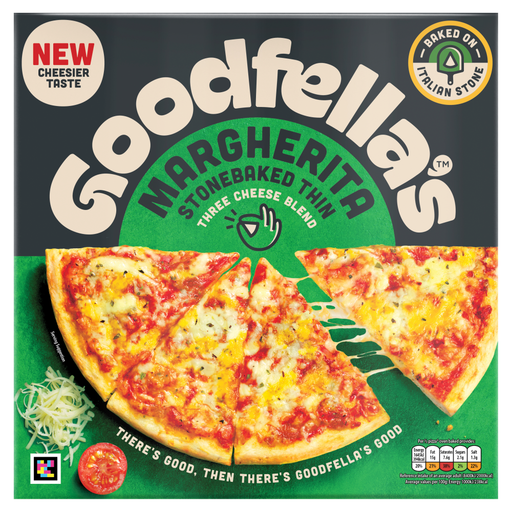
Goodfella's Margherita Stonebaked Thin 334g pizza

Goodfella’s Margherita Stonebaked Thin 334g

Tomato, cheese and herb toppings make this a less complicated option to assess than a pizza loaded with meat and vegetables.

The thin stonebaked base is described as crispy, so check the cooked edge before serving. Check the current pack for allergen details and cooking directions; this ordinary pizza should not be relied on for a prescribed texture-modified diet.

View on Joybuy

Frequently asked questions

Is frozen pizza suitable for someone with dysphagia?

Do not choose ordinary frozen pizza as a substitute for the person’s prescribed texture guidance. IDDSI says Level 7 Regular Easy to Chew applies only when someone can independently break down soft, tender foods and has no swallowing problems or increased choking risk. NHS England has warned that vague descriptions such as “soft diet” can cause harm.

Which pizza toppings are simpler to assess for easier chewing?

Cheese or cheese-and-tomato toppings give you fewer distinct pieces to assess than a loaded meat-and-vegetable pizza. That is a practical starting point, not a guarantee: check the cooked crust and toppings for the person who will eat them.

Is a thin crust easier to chew than a stuffed crust?

Neither style guarantees an easier texture. Dr. Oetker describes Ristorante bases as thin and crispy, which may be difficult for someone who cannot manage a crisp edge. A stuffed crust adds a filled edge to assess, and Chicago Town warns that its cheesy stuffed crust and topping will be extremely hot after cooking.

Should I thaw frozen pizza before cooking it?

Follow the instructions for the exact pizza rather than assuming it needs thawing. GOV.UK advises fully defrosting frozen food before cooking unless the manufacturer instructs you to cook it from frozen. Cook the pizza thoroughly as directed, then allow hot toppings to cool before serving.

Do I need to check allergens if I have bought the pizza before?

Yes. Read the current pack for the exact pizza, including its ingredients and allergen declaration. Goodfella’s advises checking packaging because product information can change; an ASDA Groceries listing for Dr. Oetker Ristorante Large Stonebaked Margherita Four Cheese Pizza identifies milk and wheat.