Families sharing one pizza
If everyone wants the same topping, start with the stated serving count rather than the size of the box. Sainsbury’s lists the researched 630g Chicago Town cheese pizza and 640g pepperoni pizza as serving four each.


One large pizza makes sense when everyone can eat the same topping: Sainsbury’s lists the researched 630g Chicago Town cheese pizza and 640g pepperoni pizza as serving four each. If diners need different toppings or have different dietary requirements, plan separate pizzas instead; Sainsbury’s lists the researched 370g Dr. Oetker gluten-free mozzarella pizza as serving two, not four. Check each current pack’s allergens, portions and cooking instructions before serving.
If everyone wants the same topping, start with the stated serving count rather than the size of the box. Sainsbury’s lists the researched 630g Chicago Town cheese pizza and 640g pepperoni pizza as serving four each.
Separate pizzas may be easier to plan when one diner needs a specifically labelled option or cannot eat an ingredient in the shared pizza. Check each current pack’s ingredients and allergen wording.
Think about where the pizzas will go before choosing one large box or several smaller ones. The portion plan also determines whether you need another pizza or other food for the meal.
Decide who can share a pizza, then compare the serving count and the labels that matter to those diners.
| Priority | What to check | Your needs |
|---|---|---|
| Portions | Read the declared servings as well as the pack weight. Sainsbury’s lists the researched Chicago Town 630g cheese and 640g pepperoni pizzas as serving four; its 370g Dr. Oetker gluten-free mozzarella pizza serves two. | Will one pizza cover everyone eating, or do I need another pizza or other food? |
| Toppings and allergens | Compare the exact toppings, ingredients and allergen statement on each current pack. A gluten-free label does not, by itself, answer a lactose or other allergen question. | Different diners may want different toppings, or one person may need a separately labelled pizza. |
| Nutrition by portion | Check whether the panel gives values per 100g, half a pizza or a quarter pizza. Use the portion you plan to serve when considering salt and saturated fat alongside the rest of the meal. | I want to judge what is on each plate, including any dips or sides, rather than compare boxes by weight alone. |
| Cooking and storage | Read the current pack’s storage temperature, whether to cook from frozen, oven directions and instructions for checking that the middle is thoroughly hot. | The pizzas need to fit my freezer and the cooking method I can use for this meal. |
Pack weight alone does not establish the number of portions. Sainsbury’s lists the researched 630g and 640g Chicago Town pizzas as serving four, but the researched 370g Dr. Oetker gluten-free mozzarella pizza as serving two.
Use the declared serving count alongside the number of diners and plan another pizza or other food if needed.
Gluten-free, lactose-free and vegetarian describe different requirements. A pizza carrying one of those labels may still contain ingredients another diner needs to avoid.
Check the current pack’s full ingredients, allergens and precautionary wording for every diner who needs a specific option.
The amount eaten may be a half or a quarter of a pizza, and dips or sides are part of the same meal.
Find the nutrition values for the portion you intend to serve, including salt and saturated fat, before deciding what else to put on the table.
Instructions differ by product. Food Standards Scotland advises following the label and checking that food is thoroughly hot in the middle.
Keep the pizza and cook it as its current pack directs; do not substitute directions from another pizza.
The two researched takeaway-style pizzas offer different toppings in packs that Sainsbury’s labels as serving four.
The researched 370g gluten-free mozzarella pizza is a separate option to consider when a standard sharing pizza does not suit a diner.
The researched Goodfella’s Pepperoni Stonebaked Thin is a 332g format to consider when planning more than one pizza or different toppings.
These frozen pizzas cover a cheese-topped option and several meat-topped options for a family TV dinner. Compare their current serving counts and labels before deciding whether to serve one pizza or several.
 No image available
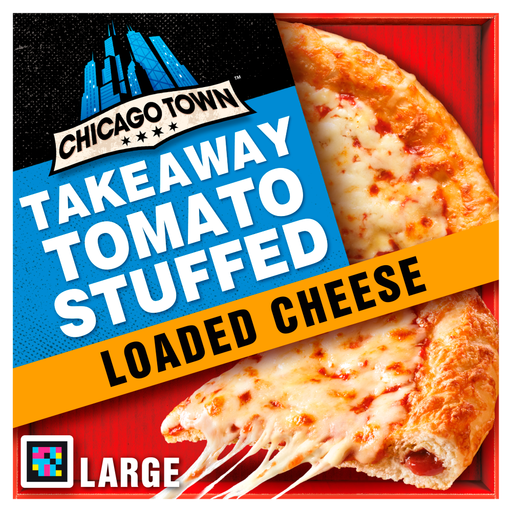
A cheese-topped stuffed-crust option when diners can share the same pizza. Check the current pack’s serving count, milk and wheat allergen information, and nutrition values for the portion you plan to serve.
 No image available
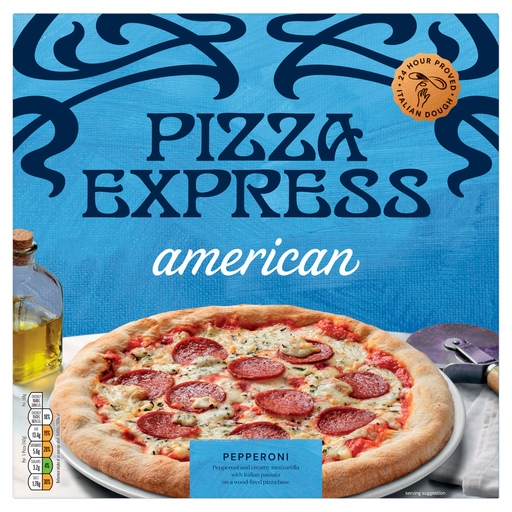
A pepperoni option to consider when diners want different toppings. Check its stated servings against the number eating, and read the current wheat and milk allergen information.
 No image available
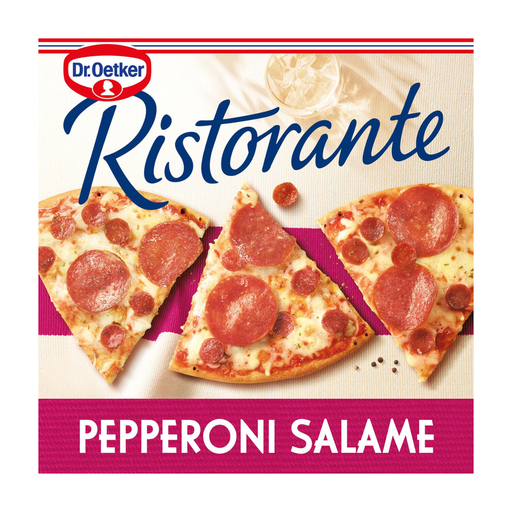
Another pepperoni-topped choice for a meal using separate pizzas. This is not the gluten-free mozzarella product discussed above; check this pizza’s own serving count and allergen statement.
 No image available
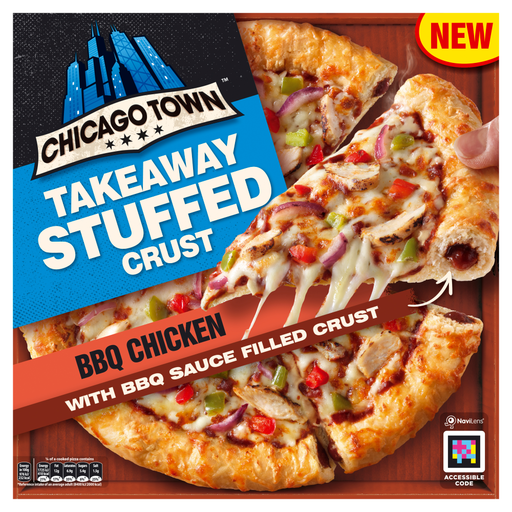
A chicken-topped stuffed-crust option if that topping suits the group. Check the current pack’s serving count before relying on one pizza for the meal, and follow its cooking and allergen instructions.
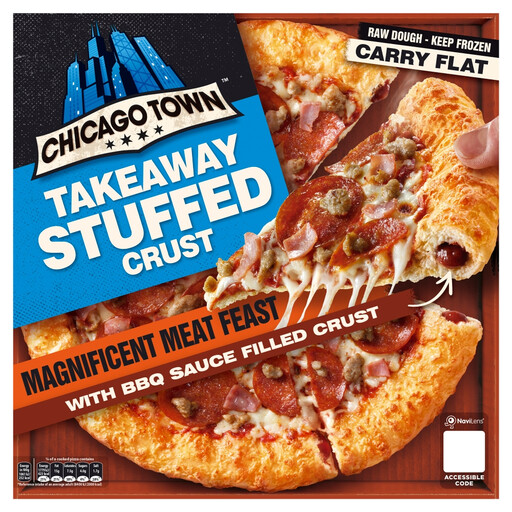 No image available
A meat-topped stuffed-crust option for diners who want to share that topping. Confirm the serving count and allergens on the current pack; also check the exact variant if the BBQ wording in the listing matters to your choice.
Start with the pack’s stated servings and compare them with the number eating. Sainsbury’s lists the researched Chicago Town 630g cheese and 640g pepperoni pizzas as serving four each, while its researched 370g Dr. Oetker gluten-free mozzarella pizza serves two.
Choose one shared pizza if its stated portions cover the group and everyone can eat the same toppings and ingredients. Separate pizzas let you accommodate different preferences or dietary requirements, but check the servings on each pack rather than assuming the pizzas are equivalent sizes.
Check the exact current pack’s ingredients, highlighted allergens and precautionary wording before serving. Do not assume that a gluten-free, lactose-free or vegetarian label answers a different allergen question.
Compare salt for the portion each person will actually eat, checking whether the panel is per 100g, half a pizza or a quarter pizza. Include any dips and sides when considering the whole meal.
Follow that pizza’s current packet instructions rather than defrosting it by default. Food Standards Scotland advises following the label and checking that food is thoroughly hot in the middle before serving.