Start with a frozen pizza whose topping and crust the eater already accepts, and serve a small portion rather than choosing a larger or more elaborate pizza on appearance alone. Consider how much is likely to be eaten, check the current pack for allergens and cooking instructions, and keep offering variety without pressure, in line with NHS guidance for fussy eaters.
Who is this choice for?
Families serving a familiar meal
When a child is reluctant to try new foods, an accepted pizza can be offered alongside other foods without pressure. The NHS advises small portions and continuing to offer variety; Leicestershire Partnership NHS Trust also suggests having a familiar, accepted food available at mealtimes.
Households trying to avoid waste
A recognisable topping is only part of the decision. Consider whether the eater prefers a thin or deep-pan base and whether a whole pizza, a shared pizza or a smaller separate one fits the portion you expect to serve.
Households checking dietary suitability
Read the exact pizza’s current ingredient and allergen declaration. The researched standard cheese pizzas list milk and wheat, while the researched Dr. Oetker gluten-free pizza lists milk proteins and may contain soya and mustard.
What matters when choosing?
Work from the eater’s accepted flavours and textures towards a usable portion, then check the pack details needed to prepare and serve that particular pizza.
| Priority |
What to check |
When it matters |
| Familiarity |
Compare the visible toppings, seasoning and crust style with foods the eater already accepts. A cheese-and-tomato topping is not interchangeable with an unfamiliar base or stuffed crust. |
I am more likely to serve this without a difficult change in presentation if the topping and base are already familiar. The NHS advises offering new foods repeatedly without forcing a child to eat them. |
| Portion size |
Look at pack size and stated servings, then decide whether you can serve a small first portion or would prefer separate pizzas. Consider what may remain uneaten. |
A small portion feels more manageable for this meal, with more available if wanted. Leicestershire Partnership NHS Trust recommends offering smaller portions to fussy eaters. |
| Allergens |
Read the current ingredient and allergen declaration on the exact pack. Check free-from wording against the specific ingredients and any may-contain statement. |
If someone in my household has a dietary restriction, a plain-looking topping or gluten-free label is not enough to establish suitability. |
| Preparation |
Check the oven instructions, frozen-storage directions and serving guidance for that product. Do not transfer another pizza’s cooking time to this one. |
Before I plan the meal, I need to know that its cooking directions fit the time and equipment available, and that it can cool before being served. |
What is easy to overlook?
-
Treating a familiar pizza as the whole meal plan
An accepted pizza may make a meal less pressured, but repeatedly offering only accepted foods leaves less room to introduce variety.
Serve a small familiar portion and continue offering other foods separately, without forcing the child to eat them. The NHS advises repeated, low-pressure opportunities to try foods.
-
Choosing a pack without considering the portion
A larger pizza may leave more uneaten food if the eater wants only a small amount; separate pizzas may be useful when household members want different toppings.
Check the pack size and stated servings against the portion you plan to offer before choosing a format.
-
Assuming a simple topping means simple allergen suitability
The researched standard cheese pizzas list milk and wheat. Sainsbury’s listing for Dr. Oetker Ristorante Gluten Free Pizza Mozzarella lists milk proteins and says it may contain soya and mustard.
Check the physical pack’s ingredients and allergen declaration for the exact pizza before serving it.
-
Using another pizza’s cooking directions
Crust styles and products have different instructions; Goodfella’s specifies 22–24 minutes in the oven for its Cheesy House Deep Pan Pizza.
Follow the directions on the pack you have, check that the pizza is piping hot, and allow hot toppings to cool before serving.
Which brands offer relevant formats?
These examples show differences in toppings, bases and portion formats; they do not mean every pizza from a brand has the same ingredients or instructions.
Sainsbury’s
Sainsbury’s Deep Pan Cheese & Tomato Pizza has tomato sauce and a blend of mozzarella, red Cheddar and mature Cheddar on a deep-pan base.
- A plainly topped example to consider when cheese, tomato and a thicker base are familiar.
- Check its current pack for wheat and milk and for the cooking instructions.
Tesco
Tesco Deep Pan Cheese Pizza combines tomato sauce and oregano with mozzarella, red Cheddar and Monterey Jack.
- Another deep-pan cheese format for an eater who accepts its base and seasoning.
- The researched product contains wheat and milk; follow its own oven instructions.
Goodfella’s
Goodfella’s describes its Cheesy House Deep Pan Pizza as a tomato-sauce base topped with mozzarella and Cheddar.
- Its deep-pan format offers a different crust choice from the brand’s stonebaked thin line.
- The Cheesy House product lists milk and wheat allergens and a 22–24-minute oven time.
Chicago Town
The researched Chicago Town examples include a two-pack of Deep Dish Four Cheese Pizzas and a larger Takeaway Cheesy Stuffed Cheese Pizza.
- The two-pack offers separate pizzas rather than requiring a portion to be cut from one large pizza.
- Check which crust and cheese combination the eater accepts; the stuffed-crust example is a different format from the deep-dish two-pack.
Dr. Oetker
Sainsbury’s lists Dr. Oetker Ristorante Gluten Free Pizza Mozzarella as a gluten-free, lactose-free-labelled pizza.
- A labelled alternative to check when those particular dietary requirements apply.
- The listing includes milk proteins and may-contain information for soya and mustard; the labels do not establish suitability for every allergy.
Frozen pizza options on Joybuy
These two pizzas offer different crust formats for households considering a tomato-and-cheese-style meal. Choose by the eater’s accepted textures and toppings, and use the current product pack for preparation and allergen checks.
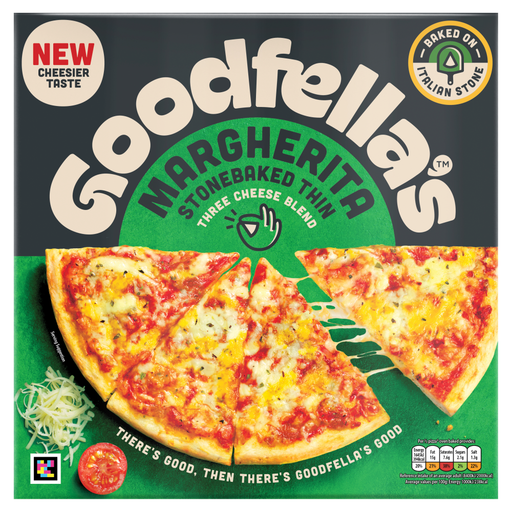 Image unavailable
Goodfella’s Margherita Stonebaked Thin 334g
Consider this 334g pizza if a thin, stonebaked crust is already familiar to the eater. Check the current pack for its ingredients, allergens and oven directions before serving.
View on Joybuy
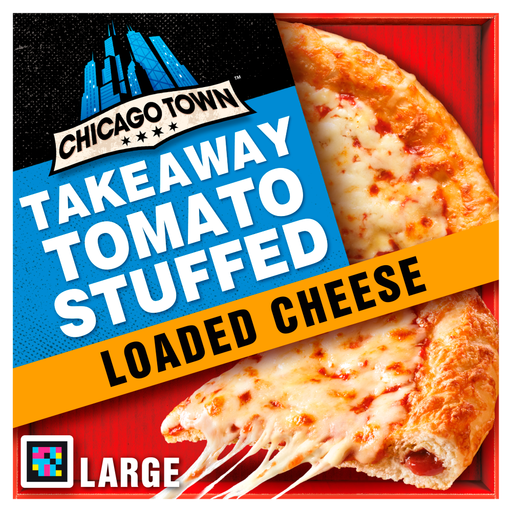 Image unavailable
Chicago Town Stuffed Crust Takeaway Loaded Cheese 630g
This 630g stuffed-crust cheese pizza is a different texture and pack size from the thin-base option. Consider it when that crust style is welcome and the intended portion suits a larger pizza; check the current pack for allergens and cooking directions.
View on Joybuy
Frequently asked questions
Where should I start when choosing pizza for a fussy eater?
Start with a topping and crust the eater already accepts, then offer a small portion. The NHS advises continuing to offer variety without forcing a child to eat; Leicestershire Partnership NHS Trust recommends keeping a familiar, accepted food available at mealtimes.
Does choosing an own-label or branded pizza settle which one will be eaten?
No. Compare the actual toppings, crust and portion format with the eater’s preferences rather than relying on the name. A change from deep pan to thin base, for example, may matter even when both pizzas feature cheese and tomato.
Does gluten-free mean a pizza is suitable for every allergy?
No. Sainsbury’s listing for Dr. Oetker Ristorante Gluten Free Pizza Mozzarella includes milk proteins and says it may contain soya and mustard. Check the current physical pack against the eater’s specific requirements.
How should I cook and serve a frozen pizza?
Follow the cooking and storage instructions on that pizza’s pack rather than using directions from another product. Check that it is piping hot after cooking, then allow hot toppings to cool before serving.


