What should you compare?
Establish whether calorie reduction is appropriate, then compare labels using the portion you intend to serve—not just the size or style of the pizza.
| Priority |
What to check |
Your needs |
| Nutritional aim |
Confirm whether the individual plan calls for reducing energy intake or addressing poor appetite and weight loss. The NHS identifies people aged 65 and over as particularly at risk of malnutrition. |
If the person has been losing weight unintentionally, I would check their nutritional needs with their care team before choosing by kcal. |
| Calories and portion |
Compare kcal per 100g, then calculate from the label for the amount to be served. Tesco lists its mini cheese-and-tomato pizzas at 204 kcal per 100g and 59 kcal per 29g unit; those figures answer different questions. |
I want to know what the planned serving contributes, whether that means one mini pizza or part of a larger one. |
| Protein in the meal |
Read protein for the serving, using the same portion basis as the calorie figure. Tesco lists 2.6g per mini cheese-and-tomato pizza and 19g per half of a Dr. Oetker Ristorante Mozzarella pizza; the portions are not equivalent. |
A small serving may be practical, but I need to consider what else will be served with it rather than treating the pizza alone as the whole meal. |
| Salt and saturated fat |
Check both values for the planned portion and consider the rest of the day’s food. Tesco lists 1.99g salt and 6.3g saturated fat per half of its Finest Margherita pizza; the NHS says adults should have no more than 6g salt a day. |
If the person follows individual dietary advice, I need the figures for the amount they will actually eat. |
| Texture and preparation |
Check the current allergen declaration and product-specific cooking directions. If there are swallowing difficulties or texture requirements, check whether ordinary pizza is appropriate before serving it. |
Someone who coughs or chokes while eating may need a different food or texture; the NHS lists these as possible signs of swallowing problems. |
Brand and range references
These examples show why the specific pizza and serving matter more than the brand name alone.
Goodfella's
Its Stonebaked Thin range is relevant when comparing thin-base pizzas, but the format does not establish the calories in a serving.
- Goodfella's describes its Stonebaked Thin Margherita as a tomato-sauce pizza with mozzarella, Emmental and red Cheddar.
- Use the nutrition panel on the particular pack to compare kcal, protein and salt for the amount served.
Dr. Oetker Ristorante
The Mozzarella pizza illustrates why a regular half-pizza portion needs assessment beyond its thin-and-crispy format.
- Tesco lists 19g protein per half of the Ristorante Mozzarella pizza.
- The same half provides 432 kcal and 1.6g salt, according to Tesco. A crispy pizza should not be assumed suitable where swallowing guidance requires a different texture.
Chicago Town
The range includes different formats, so a single sub should not be compared with a larger pizza by brand name alone.
- Tesco lists the Cheese & Tomato Sub at 272 kcal and 10g protein per 125g sub.
- That sub also contains 1.3g salt, according to Tesco. Check the serving figures for whichever Chicago Town format you choose.
Tesco
Its mini and full-size pizzas offer different serving formats rather than one consistent nutritional profile.
- Tesco lists each of its mini cheese-and-tomato pizzas at 59 kcal per 29g unit.
- A mini pizza provides 2.6g protein, while half a Tesco Finest Margherita provides 18.7g protein and 1.99g salt. Compare the intended portions rather than treating the products as interchangeable.
Joybuy frozen-pizza options
These thin-style and regular frozen-pizza options are relevant to planning a serving when calorie reduction is appropriate. Check the nutrition panel for the portion and the individual’s texture needs before choosing.
 No image available
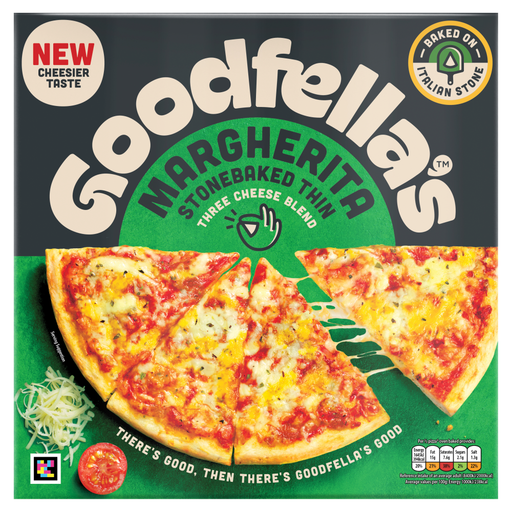
Goodfella's Margherita Stonebaked Thin 334g
For a planned serving, compare this stonebaked thin pizza’s kcal and protein for the amount to be eaten. Check salt, saturated fat, allergens and cooking directions on the current pack; follow individual swallowing guidance where texture is a concern.
View on Joybuy
 No image available
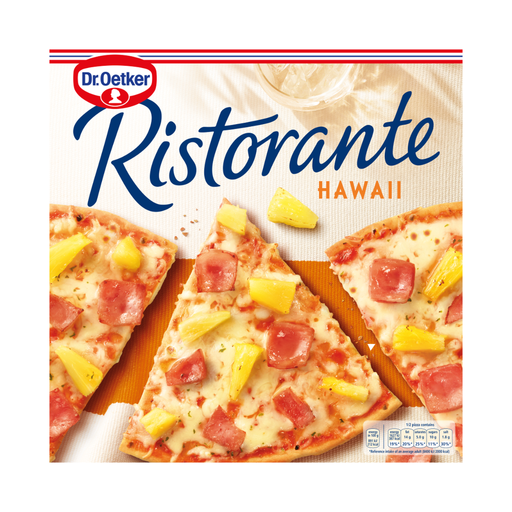
Dr. Oetker Ristorante Hawaii Pizza 355g
For a calorie-managed meal, compare kcal per 100g with the amount of this 355g pizza that will be served. Check protein and salt for that portion on the current pack, as well as allergens, cooking directions and any individual texture requirements.
View on Joybuy
Common questions
Is the lowest-calorie frozen pizza always the right choice for an older adult?
No. Lower energy intake should fit the person’s individual plan. The NHS identifies adults aged 65 and over as particularly at risk of malnutrition, so poor appetite or unintentional weight loss is a reason to review nutritional needs rather than choose solely by kcal.
Should I compare kcal per 100g or per serving?
Compare both: per 100g helps you assess pizzas of different sizes, while the serving figure relates to the amount on the plate. Tesco lists its mini cheese-and-tomato pizzas at 204 kcal per 100g and 59 kcal per 29g unit; serving more than one changes the meal total.
How do protein and salt affect the choice?
Check both for the portion to be served, alongside its calories and the rest of the meal. Tesco lists 2.6g protein and 0.23g salt per mini cheese-and-tomato pizza, compared with 18.7g protein and 1.99g salt per half of its Finest Margherita; these are substantially different portions. The NHS says adults should have no more than 6g salt a day.
Can someone with swallowing difficulties eat ordinary frozen pizza?
Do not assume ordinary pizza is suitable. The NHS identifies coughing or choking while eating as possible signs of swallowing problems. Follow the person’s swallowing assessment and texture guidance before serving a pizza base and toppings.
What should I check before cooking and serving frozen pizza?
Follow the storage and cooking directions on the current pack for the specific pizza and appliance. Check its allergen declaration, and make sure the prepared food and its texture are suitable for the person who will eat it.


