For a shared meal with an older adult, choose frozen pizza by the amount each person is likely to eat and the current pack’s nutrition and ingredients, rather than its family-size label or topping name. Compare protein, salt and saturated fat for that serving, check allergens, and consider the pizza alongside the rest of the meal. Individual dietary requirements may change what is appropriate.
Who is sharing the meal?
The serving and label checks differ depending on who will eat the pizza and whether anyone has particular dietary requirements.
Families sharing with an older relative
If one pizza is being divided between several people, decide the older person’s likely portion before comparing nutrition figures. The British Dietetic Association highlights the importance of nutrient-rich eating after age 65.
Older adults with a smaller appetite
A pack’s suggested portion need not match the amount someone wants to eat. Consider the pizza as part of the meal rather than relying on its topping or protein figure to describe the whole meal.
Carers checking ingredients and labels
Compare the portion being served with the nutrition panel, and read the current ingredient and allergen information when a particular food must be avoided.
What should you compare?
Start with the intended serving, then compare label figures and ingredients across the pizzas you are considering.
| Priority | What to check | Your needs |
|---|
| Portion |
Check the pack weight and stated serving size. Use the amount you plan to serve when reading per-portion figures; the NHS notes that nutrition information is given per 100 g and sometimes per portion. |
We are sharing one pizza, but the older person may want a different amount from everyone else. |
| Protein and toppings |
Compare protein for a comparable amount of pizza, then read the ingredient list. A chicken or vegetable topping does not establish the pizza’s overall nutritional suitability. |
I want to know what the served portion contributes, while considering the rest of the meal. The British Dietetic Association highlights protein among nutrients needing attention after age 65. |
| Salt and saturated fat |
Compare both figures per 100 g, then check them for the portion likely to be eaten. Read the figures for each product rather than judging by its crust or topping name. |
A topping sounds appealing, but I also want to compare its label with the other pizzas on offer. |
| Ingredients and preparation |
Read the current pack for allergens, storage and product-specific cooking instructions. Follow those instructions and check the pizza before serving. |
Someone at the table may need to avoid an ingredient, and I need cooking directions for the particular pizza we buy. |
Common buying mistakes
-
Assuming family size suits every serving
A larger pizza changes how much is available to share; it does not tell you how much salt, saturated fat or protein one person will eat.
Decide on the likely portion first, then use the per-100 g and any per-portion figures to compare packs.
-
Judging salt by the topping name
Cheese and cured meats can contribute salt; NHS inform identifies cheese and cured meats among foods that can be high in salt. A chicken or vegetable topping is not a substitute for reading the nutrition panel.
Compare salt per 100 g and consider the amount in the serving you intend to offer.
-
Treating protein as the whole meal assessment
A pizza’s protein figure describes one nutrient, not everything eaten at the meal. The British Dietetic Association also highlights calcium, folate and vitamin B12 in guidance on eating after age 65.
Consider the serving, other ingredients and what else will be offered alongside it.
-
Using an old product page instead of the current pack
Goodfella’s warns that some information on its website may not be up to date and directs shoppers to packaging for possible changes.
Check the box you buy for ingredients, allergens, nutrition, storage and cooking directions.
Brand and range references
These examples show why a named topping or pizza style is only a starting point; compare the current details of the product you choose.
Dr Oetker Ristorante
Dr Oetker UK publishes nutrition information for Ristorante Pollo, a specific chicken-topped pizza.
- Its Pollo page lists 16 g protein and 1.8 g salt per half pizza, giving a defined portion for comparison.
- Those figures apply to Pollo, not to other Ristorante varieties. Check the selected variety and the amount being served.
Goodfella’s
Goodfella’s describes both a stonebaked thin mushroom, spinach and garlic pizza and a deep-pan pepperoni pizza.
- The named products offer different toppings and crust formats to consider for a shared meal.
- Goodfella’s cautions that some website information may not be current. Confirm ingredients, allergens and nutrition on the pack.
Chicago Town
Chicago Town describes deep-dish, stuffed-crust and takeaway-style pizzas in its range.
- The range gives households a choice of formats when crust style matters to the people sharing.
- A format name does not establish portion nutrition or cooking instructions; check those for the specific pizza.
Frozen pizzas on Joybuy
These frozen pizzas provide different sizes, crusts and toppings to consider for a shared meal. Use each product’s current pack to compare the portion, nutrition, allergens and cooking directions that matter to your household.
 No image available
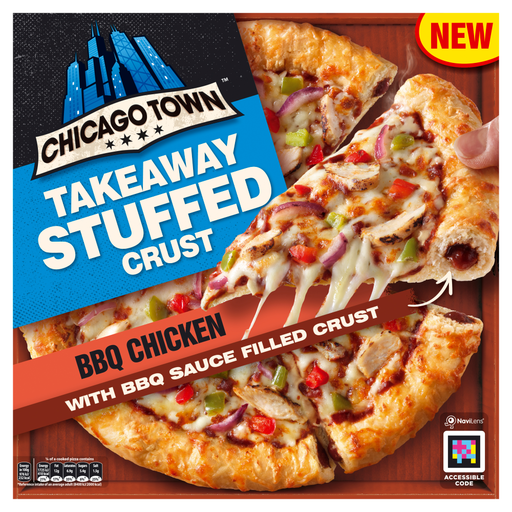
Chicago Town Takeaway Stuffed Crust BBQ Chicken, BBQ Sauce Filled Crust, 668 g
The 668 g pizza is an option when several people are sharing and want a chicken-topped, stuffed-crust style. Decide the portion before comparing its nutrition with another pizza, and check the current pack for allergens and cooking directions.
 No image available
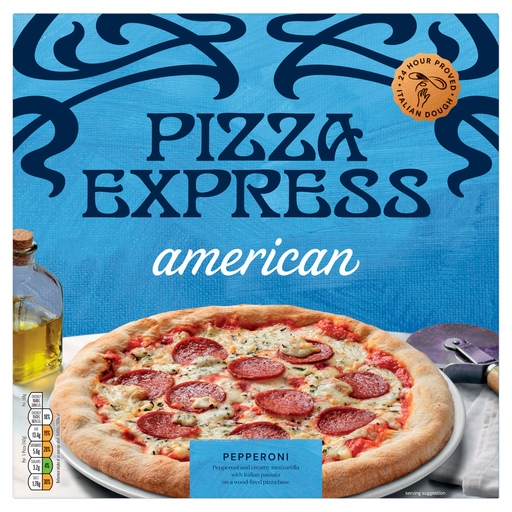
Pizza Express American, 320 g
For a smaller pizza to share, this 320 g option can be assessed against the amount each person will eat. Check the current pack’s ingredients, portion figures and cooking instructions before serving.
 No image available
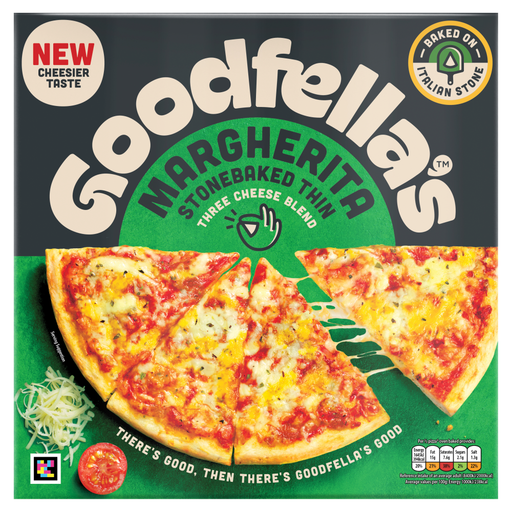
Goodfella’s Margherita Stonebaked Thin, 334 g
This 334 g thin-crust Margherita offers a different format from a stuffed-crust pizza. Compare the nutrition for the serving you plan to offer, and read the current pack for allergens and cooking directions.
 No image available
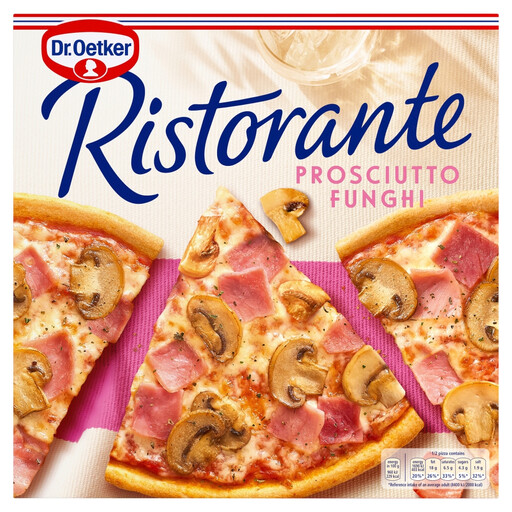
Dr. Oetker Ristorante Prosciutto Funghi, 350 g
If this topping appeals to the household, use the 350 g pack size to work out the share each person will have. Check nutrition for that amount and follow the cooking instructions on the current pack.
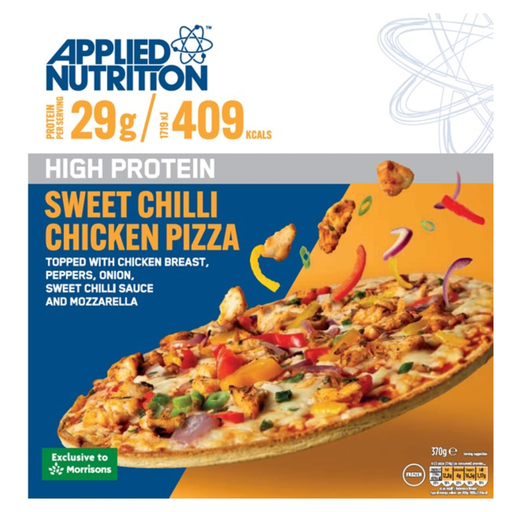 No image available
Applied Nutrition Sweet Chilli Chicken Protein Pizza, 370 g
The 370 g chicken pizza is another topping choice for a shared meal. Treat “Protein Pizza” as part of the product name, not an assessment of the meal: compare the current pack’s protein, salt and saturated fat for the amount served.
Questions about choosing and serving
Should I choose a pizza by how many people the pack says it serves?
No. Start with the amount each person is likely to eat. The NHS explains that nutrition information is given per 100 g and sometimes per portion; use those figures with the amount you actually plan to serve.
Which nutrition figures should I compare?
Compare salt, saturated fat and protein for like-for-like amounts, then consider the intended serving and read the ingredients. Per-100 g figures help compare pizzas of different sizes, while a pack’s per-portion figure is useful when that portion matches what will be served.
Does a chicken-and-vegetable topping settle the choice?
No. Toppings tell you about ingredients, but not the whole nutrition profile. Dr Oetker UK lists 16 g protein and 1.8 g salt per half Ristorante Pollo pizza, illustrating why both the portion and label figures matter for that particular product.
What should I check before serving frozen pizza to an older adult?
Read the current pack for allergens, storage and cooking instructions, and follow the directions for that pizza. Check it is cooked as directed and allow very hot toppings to cool before serving.


