Parents keeping two back-up dinners in the freezer
Two pizzas can give you a meal component to keep on hand for busy evenings. Plan how much to serve a toddler, what else to offer with it and enough time for the topping to cool.


For two freezer back-ups, a plain Margherita is one option if its ingredients suit your child; choose the second pizza according to your household’s needs rather than assuming another cheese pizza or a gluten-free label will be interchangeable. Check salt and allergens on both current packs, plan a child-sized portion with other foods, and let hot toppings cool before serving.
Two pizzas can give you a meal component to keep on hand for busy evenings. Plan how much to serve a toddler, what else to offer with it and enough time for the topping to cool.
An ordinary wheat-based pizza and a labelled gluten-free pizza are not interchangeable. Check the current ingredients, including milk and any precautionary allergen statement, against the child’s particular requirements.
A cheese-and-tomato pizza may be easier to choose for a child who prefers familiar toppings. Its name does not tell you how much salt it contains, so compare the nutrition panels rather than relying on the topping.
Choose pizzas that meet the child’s ingredient requirements first, then check the nutrition panel, serving plan and cooking directions for each pack.
| Priority | What to check | Your needs |
|---|---|---|
| Ingredients and allergens | Read the full ingredients and highlighted allergens on each current pack. For a gluten-free option, check milk and precautionary statements too; the label must fit the child’s specific requirement. | I need both pizzas to be suitable for the child who will eat them. Goodfella’s Gluten Free Margherita, for example, contains milk and carries a precautionary wheat statement. |
| Salt and portions | Compare salt values on the same basis, such as per 100g, and check what the stated serving represents. A whole-pizza or half-pizza value is not a toddler portion. | A familiar cheese topping is useful, but I still want to decide the child’s portion from the current pack information. Dr. Oetker lists 1.6g salt per whole Ristorante Mozzarella pizza; Derbyshire Family Health Service advises avoiding salty foods for young children. |
| Freezer storage and cooking | Check the storage directions and date on each pack. Follow that pizza’s oven instructions, ensure it is thoroughly cooked and allow time for the topping to cool. | On a busy evening, I need to know how each pizza is prepared before relying on it for dinner. The cooking time for one product should not be assumed to apply to the other. |
| The rest of the meal | Consider what will accompany a child-sized slice and how the meal fits with other foods offered across the day. | I’m keeping pizza as a back-up part of dinner, not treating an adult-sized pizza as the toddler’s whole meal. |
A simple topping does not establish the pizza’s salt content. Dr. Oetker lists 1.6g salt per whole Ristorante Mozzarella pizza, while Derbyshire Family Health Service advises avoiding salty foods for young children.
Compare the current nutrition panels on the same basis and decide on a child-sized serving rather than judging by the pizza’s name.
Goodfella’s Gluten Free Margherita contains milk and states that it may contain traces of wheat. A gluten-free designation does not answer every allergy question.
Read the full label each time you buy, and follow the child’s established dietary advice and any relevant childcare-setting requirements.
Goodfella’s, Dr. Oetker and Chicago Town warn on the cited product pages that toppings can be very hot, even when the pizza is ready to eat.
Follow the product’s cooking instructions, let the topping cool and cut the toddler’s portion into manageable pieces before serving.
These product examples show why the current label matters; a brand name alone cannot settle portion, salt or allergen questions.
Goodfella’s lists both a Stonebaked Thin Margherita and a Gluten Free Margherita.
Ristorante Mozzarella is a thin-and-crispy cheese pizza with a stated 10–13 minute oven guideline.
Chicago Town’s Thin & Crispy Triple Cheese is one cheese-pizza format to compare with other freezer options.
Tesco Groceries’ July 2026 frozen cheese-pizza listing included own-label pizzas alongside Goodfella’s, Chicago Town and Dr. Oetker products.
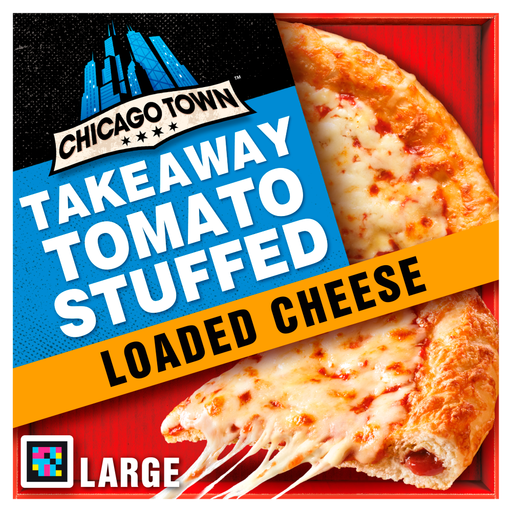
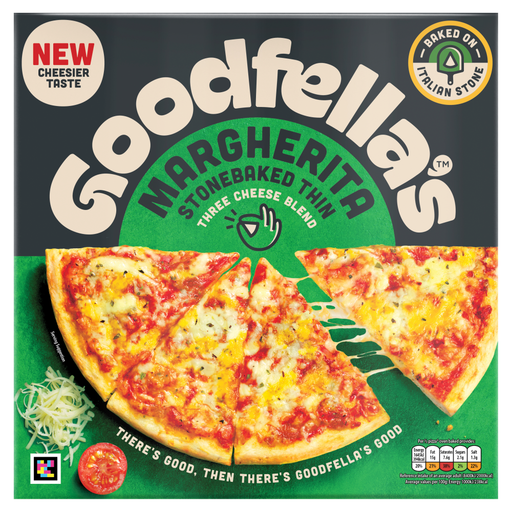
These are two cheese-focused frozen pizzas for a family freezer: a stuffed-crust option and a thin Margherita. Both require their own pack checks before you plan a toddler’s serving.
 No image available
This stuffed-crust cheese pizza is a different choice from a plain Margherita. If serving it to a toddler, check the current ingredients and salt information, follow its cooking directions and let the topping cool before cutting a child-sized portion.
 No image available
This thin Margherita fits the plain cheese-and-tomato option. Goodfella’s ingredient declaration for Stonebaked Thin Margherita identifies wheat and milk; check the current pack for allergens, salt and cooking directions, then serve a cooled, child-sized portion.
Yes, it can be an occasional back-up part of dinner. Serve a child-sized portion after the topping has cooled and offer other foods across the meal or day; Department for Education early-years guidance and Derbyshire Family Health Service both emphasise variety in young children’s food.
No. A cheese-and-tomato topping does not establish the salt value. Compare current labels on the same basis; Dr. Oetker lists 1.6g salt per whole Ristorante Mozzarella pizza, which is not a toddler portion.
Follow the named pizza’s storage and cooking instructions, ensure it is thoroughly cooked and allow the topping to cool before cutting a manageable portion. The cited Goodfella’s, Dr. Oetker and Chicago Town product instructions warn that toppings can be very hot.
No. Goodfella’s Gluten Free Margherita contains milk and states that it may contain traces of wheat. Check the current full label against the child’s particular requirements and established dietary advice.
Yes, ask the particular setting about its packed-food and allergen procedures before sending it. The Department for Education’s guidance describes food requirements for relevant early-years providers in England, but it does not determine an individual nursery’s or school’s packed-lunch arrangements.