For a toddler dinner, judge frozen pizza by the salt in the amount you plan to serve, the exact product’s ingredients and allergens, and its cooking instructions—not by an adult half-pizza serving. A thin base or a familiar brand does not settle those checks; compare the current labels before choosing between a plain cheese-and-tomato pizza and a more heavily topped option.
Who is this for?
Parents feeding a child aged 1–3
An occasional freezer dinner still calls for a child-sized serving. The NHS advises avoiding salty foods for young children and states a maximum of 2g salt a day for ages 1–3, so the amount on the plate matters as well as the per-100g label.
Value-focused supermarket shoppers
Different pack sizes and stated servings can make pizzas difficult to compare. Consider how much of a pack you will use, then check its nutrition, ingredients and cooking directions rather than assuming a larger pizza suits a toddler dinner better.
Parents sending food to an England school or setting
Check the child’s own allergy needs and the setting’s current arrangements before packing pizza. Wheat and milk appear in the standard cheese-and-tomato examples considered here, but allergens must be checked on the exact pack.
What should you check before choosing?
Start with the child’s serving and allergen needs, then compare like-for-like label information and confirm that the pizza can be cooked as directed.
| Priority | What to check | Your needs |
|---|
| Salt |
Compare salt per 100g, then work from the amount you intend to serve. The NHS states a maximum of 2g salt a day for children aged 1–3. |
I want to account for this serving alongside the other food my child eats that day, rather than rely on an adult reference-intake figure. |
| Serving size |
Check the pack weight and what its nutrition table calls a serving. A stated half or quarter pizza is not a toddler portion. |
A smaller amount may suit this meal; I need to decide the serving rather than divide the pack according to its adult-style label. |
| Allergens |
Read the current ingredients, emphasised allergens and any may-contain statement for the exact pizza. Check the setting’s arrangements if food will be packed for school. |
Wheat, milk or another ingredient may matter for my child, so a similar-looking pizza is not enough to establish suitability. |
| Cooking |
Follow the exact pack’s oven temperature and time; check that the pizza is thoroughly cooked and piping hot, then allow it to cool before serving. |
I need a preparation method I can follow, without assuming that cheese and toppings have cooled as quickly as the base. |
| Pizza style |
Compare the named toppings and crust style as well as the label: a thin margherita, stuffed-crust cheese pizza and BBQ chicken pizza are different products. |
I may prefer a plain cheese-and-tomato option, or choose another topping after checking its ingredients and the amount to serve. |
Common mistakes to avoid
-
Using half a pizza as the toddler portion
Tesco and Sainsbury’s list between 1.3g and 1.6g salt per half pizza across three checked cheese-and-tomato products. For context, the NHS states a maximum of 2g a day for children aged 1–3.
Decide the amount to serve using the exact pack’s label and consider the child’s other food that day; do not treat the pack’s stated serving as a recommendation for a toddler.
-
Assuming every frozen pizza has the same allergens
The standard cheese-and-tomato examples checked list wheat and milk, while gluten-free frozen pizzas also exist. Ingredients and may-contain statements depend on the exact product.
Read the current pack each time. For a child with a diagnosed allergy or coeliac disease, follow their clinical advice rather than inferring suitability from a similar pizza.
-
Assuming one school packing rule applies everywhere
The Department for Education’s July 2026 guidance for England says settings may discourage particular allergens, while emphasising active awareness of allergy risks and robust emergency plans.
Check the individual setting’s current policy and the child’s arrangements before sending pizza. Check the relevant setting separately elsewhere in the UK.
Brand and product-line references
Goodfella's
The 334g Stonebaked Thin Margherita Three Cheese is a thin-base cheese-and-tomato option, not a guide to every Goodfella's pizza.
- Tesco lists a 15–17 minute oven cooking time for this exact product.
- Check the current pack’s salt and allergens before serving; its stated half-pizza serving should not be assumed suitable for a toddler.
Dr. Oetker Ristorante
The 335g Mozzarella pizza is a thin-and-crispy option with mozzarella, cherry tomatoes and basil.
- Sainsbury’s lists 1.0g salt per 100g for this exact pizza, allowing a label-based comparison with other products.
- Its label identifies wheat and milk and warns that it may contain other gluten sources; check the current pack for the child’s needs.
Sainsbury's / Stamford Street Co.
The 306g Cheese & Tomato Pizza is a mozzarella-and-Cheddar option in Sainsbury’s Stamford Street Co. range.
- Sainsbury’s lists 0.99g salt per 100g and provides ingredients and allergen information for this exact pizza.
- The pizza lists wheat and milk and must be cooked from frozen until piping hot.
Chicago Town
Sainsbury’s describes the 305g Tiger Crust Cheese Pizza as a thin-crust pizza with tomato sauce and several cheeses.
- Its named crust and cheese topping give shoppers a specific format to compare with a plain margherita.
- Check the exact pack’s nutrition and allergen labels before choosing a serving for a toddler.
Joybuy frozen pizza options
These options include stuffed-crust BBQ chicken and cheese pizzas, a thin margherita and an American pizza. Compare their current labels for the serving you intend to offer, and follow each product’s cooking directions.
 No image available
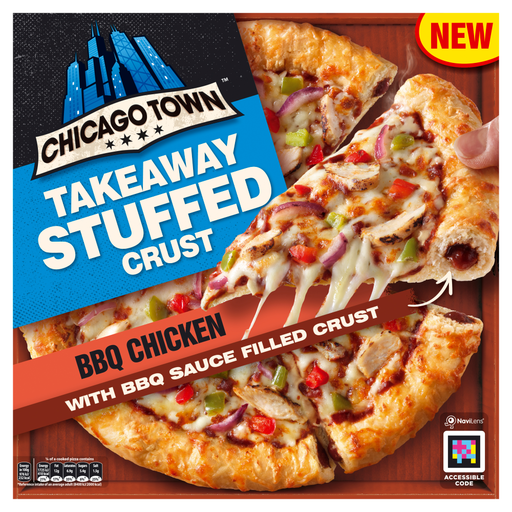
Chicago Town Takeaway Stuffed Crust BBQ Chicken with BBQ Sauce Filled Crust 668g
The BBQ chicken topping and sauce-filled crust make this a different choice from a cheese-and-tomato pizza. Check salt for the amount you plan to serve rather than treating the stated quarter-pizza serving as a toddler portion; check the current allergen label and cook thoroughly as directed.
View on Joybuy
 No image available
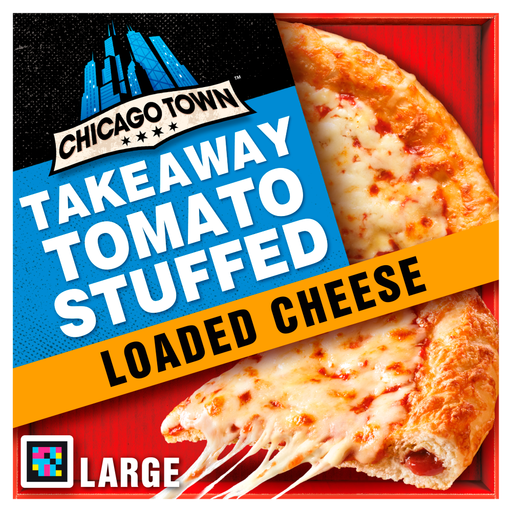
Chicago Town Stuffed Crust Takeaway Loaded Cheese 630g
This stuffed-crust cheese pizza suits a preference for cheese toppings rather than a thin margherita. Check the current pack’s salt, saturates and allergen declarations for the amount served; follow its oven instructions and allow the pizza to cool.
View on Joybuy
 No image available
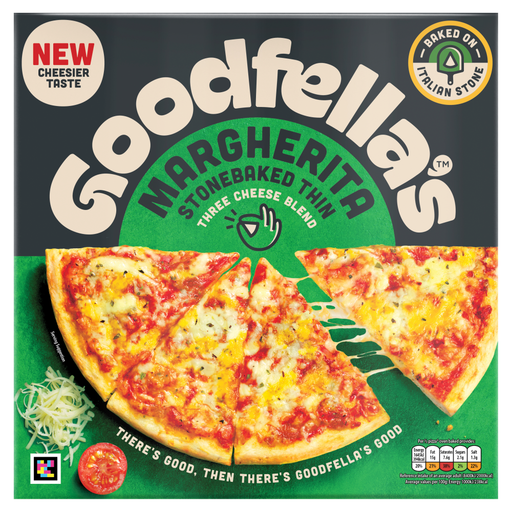
Goodfella's Margherita Stonebaked Thin 334g
This thin margherita is an option when you want cheese and tomato rather than a meat topping or stuffed crust. Use the current pack’s salt figure and allergen information to decide what to serve; do not use a stated half-pizza serving as a toddler portion.
View on Joybuy
 No image available
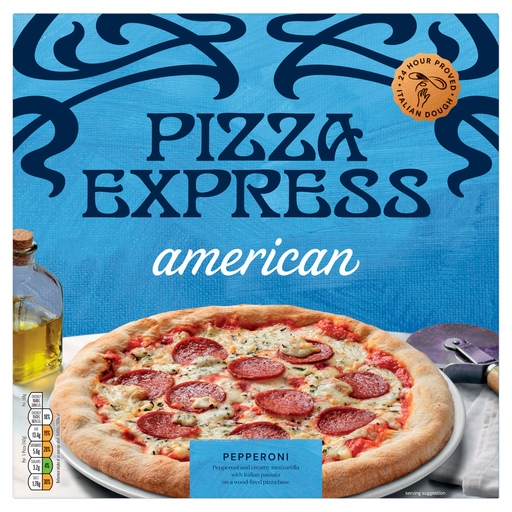
Pizza Express American 320g
For this American pizza, check the current pack’s toppings, salt per 100g and allergens before deciding on a child-sized serving. Its stated half-pizza serving is not a toddler portion; follow the cooking directions and let it cool before serving.
View on Joybuy
Questions about toddler dinners
Is half a frozen pizza a toddler portion?
Do not treat a pack’s half-pizza serving as an automatic toddler portion. The NHS states a maximum of 2g salt a day for children aged 1–3; Tesco and Sainsbury’s list 1.3g, 1.4g and 1.6g salt per half pizza for three checked cheese-and-tomato products. Decide the serving with the rest of the child’s food that day in mind.
Do all frozen pizzas contain gluten?
No. The standard cheese-and-tomato pizzas considered here list wheat, but gluten-free frozen pizzas also exist. Read the current ingredients and allergen statements on the exact pack, particularly if the child has an allergy or coeliac disease.
Can I pack pizza for a child at school?
For an England school or setting, check its current allergy arrangements and the child’s individual plan before packing pizza. The Department for Education’s July 2026 England guidance says settings may discourage particular allergens but emphasises active risk management and robust emergency plans. Check arrangements separately elsewhere in the UK.
How should I cook frozen pizza for a toddler?
Follow the exact product’s cooking instructions and ensure it is thoroughly cooked and piping hot, then let it cool before serving. Do not borrow another pizza’s oven time: instructions vary by product, and cheese and toppings can remain hot.


