Hosts offering a choice of toppings
A plain cheese, Margherita or vegetable pizza gives guests room to add their preferred toppings or serve salsa and sides separately. Check the base pizza and every addition against guests’ dietary needs.


Choose a plain Margherita or vegetable pizza if guests will add their own Mexican-style toppings or want different levels of heat. A loaded or stuffed-crust pizza asks for less assembly when the pizza is the main dish, but leaves less room to tailor its existing toppings. For a useful value comparison, consider pack weight, the portions you plan to serve and any extra ingredients alongside the exact pack’s dietary information.
A plain cheese, Margherita or vegetable pizza gives guests room to add their preferred toppings or serve salsa and sides separately. Check the base pizza and every addition against guests’ dietary needs.
A loaded or stuffed-crust format needs less topping preparation. Check the pack’s portion guidance, cooking instructions and ingredients before deciding how many pizzas the group needs.
Choose an exact product labelled for the relevant requirement rather than relying on its crust or topping style. Check added toppings and shared preparation equipment too.
Decide whether the pizza is a base for toppings or the main dish, then check portions, oven plans and dietary requirements for the whole meal.
| Priority | What to check | Your needs |
|---|---|---|
| Topping flexibility | Look at the existing toppings and decide what you would add before or after cooking. Follow the exact pack’s cooking instructions. | I want guests to choose their own toppings or level of heat, so a plain base and separate sides make sense. |
| Portions and oven space | Check pack weight, any stated serving guidance, cooking method and the space needed for other dishes. Weight alone does not establish a serving count. | Pizza is the main dish for my group, and I need to plan enough portions without crowding the oven. |
| Dietary suitability | Read the exact pack’s ingredients, allergen information and relevant dietary labelling. Check additions and shared utensils separately. | Someone at the table needs a suitable option; a vegan label or thin crust does not answer every allergen question. |
| Whole-meal value | Compare pack weight with the portions you will serve and note any toppings or sides needed to complete the meal. | I want to compare what each pizza contributes to the table, not assume a larger pack feeds a particular number of people. |
A pizza with a defined meat or other strongly flavoured topping leaves less room to tailor the meal for different preferences.
Decide whether guests will customise their slices or whether the pizza itself will be the finished main dish.
A plain base calls for extra ingredients and preparation if you plan to build the meal around added toppings.
A larger pizza may suit sharing, but its weight is not a confirmed portion count. A stuffed-crust format also needs a place in your oven schedule.
Plan portions for your actual group and check the selected pack’s serving and cooking guidance.
A plain, thin-crust or vegan-labelled pizza does not establish suitability for every allergy. Toppings and shared equipment can also affect the finished meal.
Read each current pack’s ingredient and allergen information, and check additions and utensils separately where needed.
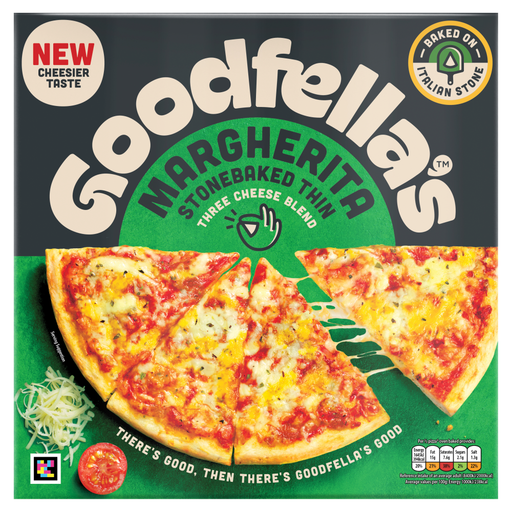
Goodfella's offers formats including Stonebaked Thin, Classic Takeaway, Deep Pan and Gluten-Free pizzas. Its Stonebaked Thin Margherita is a tomato-and-three-cheese option to consider as a base for separate toppings.
Chicago Town lists Takeaway and Deep Dish formats. Its 640 g Takeaway Cheese Stuffed Crust Loaded Pepperoni illustrates a pizza with an established topping profile for a sharing main.
Dr. Oetker lists vegetable and vegan pizzas alongside its Ristorante Gluten Free range. These are distinct product lines, so choose by the label on the pizza you intend to serve.
These options represent two ways to plan Mexican night: a thin Margherita base for your own toppings and a cheese-topped stuffed-crust pizza to serve as the main dish.
 No image available
The Margherita topping leaves room to serve Mexican-style additions separately. This 334g Stonebaked Thin pizza still needs to be checked against the group’s portion plan, the current pack’s cooking instructions and every guest’s dietary requirements.
 No image available
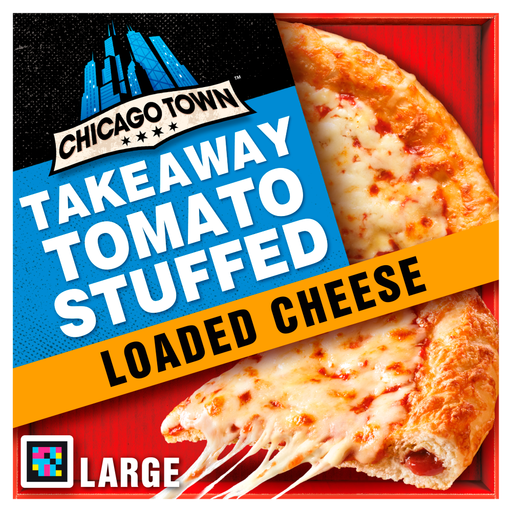
The loaded-cheese, stuffed-crust format suits a plan in which pizza is the main dish rather than a plain base for toppings. Use the 630g pack weight alongside the current pack’s portion, cooking and allergen information when planning for the group.
Choose a plain cheese, Margherita or vegetable pizza if guests will add toppings or choose their own level of heat. Choose a loaded pizza when its existing toppings suit the group and you want pizza to be the main dish with less assembly.
Check the exact pack’s instructions before adding toppings, and make sure the finished pizza cooks thoroughly. Extra toppings can affect how it cooks; serving salsa or other additions separately also lets guests choose their own portions.
Start with the ingredient and allergen information on the exact current pack, then check every added topping and any shared preparation equipment. A plain topping profile, thin crust or vegan description does not by itself establish suitability for a particular allergy.
No. Check the exact pack’s allergen information and any precautionary allergen labelling. Dr. Oetker describes its Vegan Margherita Pomodori as using dairy-free mozzarella, but that description does not replace a pack-level allergy check.
Use the selected pack’s serving guidance where available, then consider what else you are serving and how much oven space you have. Pack weight helps distinguish products, but it does not establish how many people a pizza will feed.