
24/7 Customer Support

Free returns

Same-day & Next-day Delivery

Quality Guaranteed

Unlock Your Welcome Offers: FREE Delivery | Up to 80% OFF | Free 30-day JoyPlus trial
Download the APP
Frozen prawns can make a quick midweek dinner or an impressive seafood platter, but the wording on the pack does not always tell the whole story. UK shoppers commonly pay for water-heavy glazing, choose raw prawns when they need a ready-to-eat ingredient or buy large prawns that are awkward for everyday dishes.
The right choice depends on whether the prawns are raw or cooked, peeled or shell-on, individually frozen or supplied as a block, and how size is measured. Use the guide below to compare frozen seafood more confidently.
Raw prawns must be cooked thoroughly before eating. Cooked prawns are generally ready to thaw and serve, although they can be added to hot dishes briefly. Treating raw prawns as ready-to-eat creates a food-safety risk, while overcooking cooked prawns can make them tough.
Check the description for clear wording such as “raw product – cook before consumption” or “fully cooked”. This is particularly important when buying peeled prawns for salads, sandwiches or cold appetisers.
Some frozen prawns include a protective ice glaze. The gross frozen weight may therefore be higher than the actual seafood content. For example, one IQF product listed at 500g frozen weight has a 350g net weight and approximately 30% glaze.
Compare net weight, not just the large number on the front of the pack. This gives a more realistic cost-per-serving calculation.
Prawn counts are usually expressed as a range, such as 8–12 per lb, 31–40 per lb or 40–50 per kg. A smaller number generally indicates larger individual prawns, but measurements may use pounds or kilograms, so they should not be compared without checking the unit.
Large prawns can suit grilling and entertaining, while medium or smaller prawns are often easier to distribute through curries, stir-fries and pasta.
Choose according to preparation time and recipe:
Species also affects the buying decision. Vannamei prawns are widely available in peeled, shell-on, raw and cooked formats. Tiger prawns may appeal to shoppers looking for a different appearance or texture. Freshwater prawns, such as Macrobrachium rosenbergii, are often noticeably larger and suited to centrepiece dishes.
IQF prawns, or individually quick frozen prawns, can be removed portion by portion. This is useful for households cooking for one or two people and can help reduce food waste.
Block-frozen prawns are frozen together in one solid pack. They can work well for larger households, restaurants or caterers, but you may need to thaw more than required. Consider freezer space, serving size and how often you cook seafood before choosing between the two.
Prawns are crustaceans, a legally recognised allergen in the UK. Some products also contain sulphites, salt, stabilisers or humectants. Read the complete ingredient list, particularly when cooking for guests.
Keep frozen prawns at -18°C or below, follow the pack’s defrosting guidance and do not refreeze once thawed. Many products recommend defrosting overnight in a refrigerator and using them within 24 hours. Raw prawns must be cooked until piping hot and opaque throughout; follow the product’s own instructions where temperatures or timings are provided.
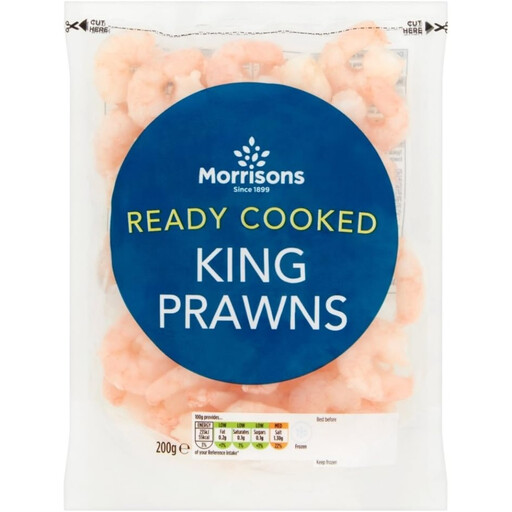
Why This Fits Their Persona: A practical smaller pack for shoppers trying quick prawn salads, pasta, appetisers or stir-fries without buying a large quantity.
It is clearly described as peeled and fully cooked, avoiding confusion over preparation. The 200g pack also limits unused leftovers.
Peeled, deveined and cooked; suitable for cold serving or brief reheating.
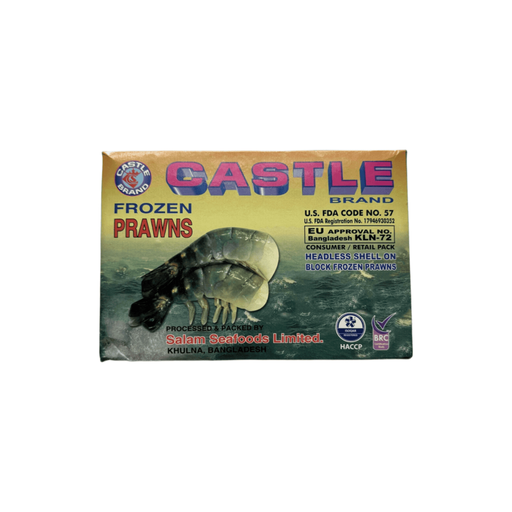
Why This Fits Their Persona: Large prawns for a dinner party, special meal or plated seafood centrepiece, particularly when presentation matters.
The 8–12 per lb size gives a clearer indication of portion scale, while the headless shell-on format avoids the additional preparation associated with head-on prawns.
Freshwater Macrobrachium rosenbergii; raw shell-on prawns with 20g protein per 100g as listed.
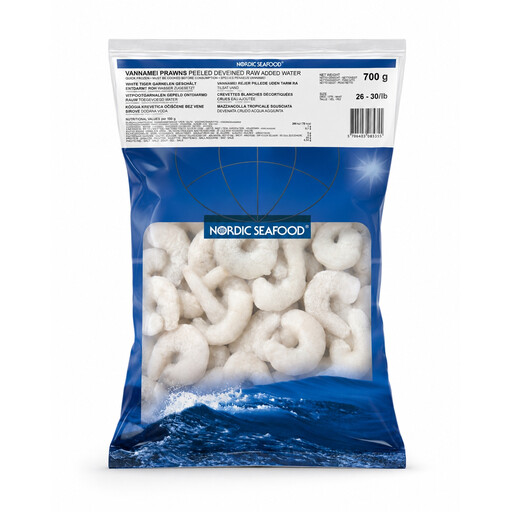
Why This Fits Their Persona: A flexible option for regular family cooking, batch meals, caterers and recipes that need prawns spread evenly through the dish.
The pack is raw and clearly needs cooking, while the peeled, deveined and individually frozen format reduces preparation and avoids thawing the entire pack.
Medium 26–30 per lb size; suitable for stir-fries, curries, pasta, risotto and fried rice.
We have compiled a complete, real-time list of products that fully satisfy these strict selection criteria and UK safety regulations.
Some are, but not all. Check the pack carefully: cooked prawns can usually be thawed and eaten, while raw prawns need thorough cooking. Colour alone is not a reliable way to identify the product before preparation.
For most products, place the required amount in a covered container in the refrigerator overnight. Drain well before cooking or serving. Follow the pack instructions, keep thawed prawns refrigerated and do not refreeze them.
Raw peeled and deveined vannamei prawns are convenient for curries and stir-fries because they can be added during cooking without shell removal. Shell-on prawns can bring extra flavour to sauces and stocks, while medium sizes distribute more evenly through noodles, vegetables and rice.