
24/7 Customer Support

Free returns

Same-day & Next-day Delivery

Quality Guaranteed

Unlock Your Welcome Offers: FREE Delivery | Up to 80% OFF | Free 30-day JoyPlus trial
Download the APP
Frozen prawns are a practical freezer staple for quick curries, pasta, paella, stir-fries and seafood starters. However, comparing packs online can be confusing. Product names may highlight size or “premium” wording while leaving out details that affect preparation time, usable quantity and final cost.
Before buying frozen prawns, watch for three common pitfalls:
Raw frozen prawns must be cooked thoroughly before serving. They are useful when you want the prawns to absorb marinades, sauces or spices during cooking. They suit dishes such as Thai curry, garlic prawns, jambalaya and grilled skewers.
Cooked prawns are convenient for salads, sandwiches, prawn cocktails and cold platters. They can also be warmed gently in pasta, rice or soup. Avoid prolonged cooking, as this can make the texture firm or rubbery. Always check the product instructions rather than assuming that every cooked product is ready to eat.
Count sizes are a useful guide, but they are not a direct quality rating. For example, a 20/30 pack contains approximately 20 to 30 prawns per kilogram, while a 40/50 pack contains smaller individual prawns. Larger prawns work well as centrepiece portions, skewers and entertaining dishes. Smaller prawns are practical for soups, fried rice, noodles and recipes where you want an even amount in every serving.
Also check whether the size is stated per kilogram or per pound. A product labelled 8–12/lb is considerably larger than one labelled 41–50/lb.
Frozen seafood should remain frozen at -18°C or below, according to the product instructions. Keep the pack sealed and place it in the coldest suitable part of the freezer. Once thawed, do not refreeze unless the packaging specifically permits it.
For most packs, defrosting overnight in the refrigerator is a convenient approach. Cold running water can be used when a quicker method is stated on the label. Drain and pat dry before frying or grilling, as excess water can reduce browning.
Prawns are crustaceans, a legally recognised allergen in the UK. Some products also list sulphites, stabilisers or other ingredients. Read the full ingredient declaration and allergen information, particularly when serving guests. Follow the packaging for cooking temperatures and times; raw prawns should be cooked until piping hot and opaque throughout.
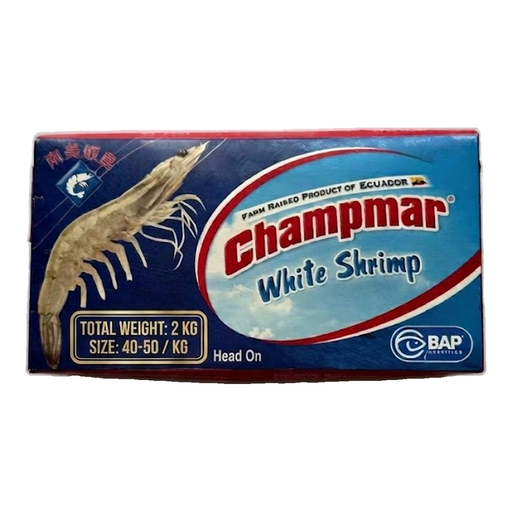
Why This Fits Their Persona: The 2kg format suits families who cook curries, soups, fried rice or noodle dishes regularly and want a larger household supply.
The listed 40–50/kg count makes the serving size clearer than vague “large” wording, while the raw format avoids paying for pre-cooking.
Head-on shell-on prawns can be used whole or for stocks, and the 2kg pack is suited to batch cooking.

Why This Fits Their Persona: A suitable choice for hosts preparing plated seafood, grilled prawns or dishes where a larger whole prawn creates a more substantial presentation.
The 20–30 per kilogram size is specified, and the product is identified as raw rather than cooked, making preparation expectations clear.
The 1kg pack contains Ecuadorian vannamei prawns and is individually frozen for portion control, according to the product description.
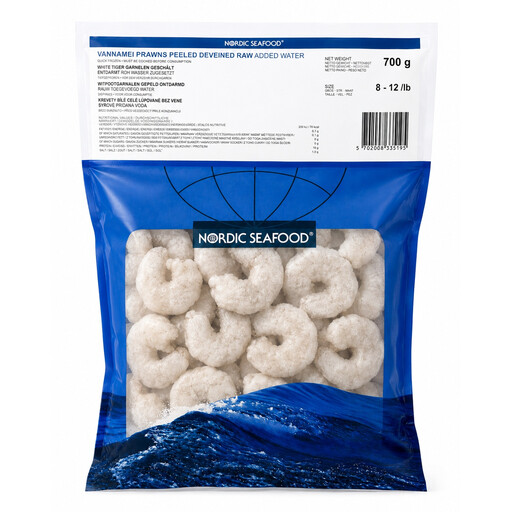
Why This Fits Their Persona: Designed for cooks who want large prawns for paella, barbecues, pasta, Thai curry or entertaining without shell removal.
The pack states an 8–12/lb size and a peeled, deveined format, so the large portion size and preparation level are visible before purchase.
Individually frozen prawns can be portioned as needed, while the 700g pack is suitable for family meals or entertaining.
We have compiled a complete, real-time list of products that fully satisfy these strict selection criteria and UK safety regulations.
The answer depends on pack size, glaze, species and preparation format. Compare the net weight, count size and whether the prawns are raw, cooked, peeled or shell-on. Frozen prawns can also reduce waste because you can store them for a longer period and use portions when required, provided they remain correctly frozen.
Follow the best-before and storage instructions printed on the packaging. Keep the freezer at -18°C or below, avoid repeated temperature changes and use opened packs securely sealed. Quality may decline over time even when the product remains frozen, so rotate older packs first.
Some products provide instructions for cooking from frozen, while others recommend refrigerator defrosting first. Check the label for the specific pack. Whichever method is used, raw prawns must be cooked thoroughly, and thawed prawns should not be refrozen.