
24/7 Customer Support

Free returns

Same-day & Next-day Delivery

Quality Guaranteed

Unlock Your Welcome Offers: FREE Delivery | Up to 80% OFF | Free 30-day JoyPlus trial
Download the APP
Buying frozen prawns can make midweek cooking, barbecues and entertaining considerably easier. However, pack descriptions do not always tell the full story. A large-looking bag may contain less usable seafood than expected, while a product described as “ready to eat” may still need careful defrosting and storage.
This guide explains the key details to check before buying, including size grading, preparation style, net weight and cooking requirements. It also highlights suitable options for different UK households and recipes.
Some frozen seafood products show both gross and net weights. The gross figure can include ice glaze, packaging or protective water. For example, one IQF product lists a 500g frozen weight but a 350g net weight, with approximately 30% glaze.
Always compare the net weight, not simply the largest number printed in the product title. This is particularly important when comparing 1kg packs of prawns, as two bags with the same advertised size may provide different quantities of actual prawns.
Prawn sizes are usually shown as a count per pound or kilogram. A lower number indicates larger individual prawns. For example:
Check whether the count refers to a pound or a kilogram. These grading systems are not directly interchangeable.
Raw prawns normally require cooking, while cooked prawns can be defrosted and served cold or gently heated. Peeled prawns save preparation time, but head-on shell-on prawns can contribute more flavour to stocks, sauces and grilled dishes.
Choosing the wrong preparation may lead to unnecessary work or overcooking. A cooked product added to a pan too early can become tough, while raw prawns need to be cooked thoroughly before serving.
Choose according to how you plan to use the prawns:
Some peeled products are also deveined. Check the product description rather than assuming that all peeled prawns have had the digestive tract removed.
IQF prawns, or individually quick frozen prawns, are separated before freezing. This allows you to remove a portion without thawing the entire pack, helping reduce waste.
Block-frozen prawns are frozen together in a solid mass. They can suit larger households or planned entertaining, but they usually require more advance defrosting and portion planning.
Look for the net seafood weight and read the ingredient list. Frozen prawns may contain water, salt, stabilisers, humectants, preservatives or glaze. These are not necessarily unusual, but they affect comparisons between products.
All prawns contain crustaceans, which must be clearly considered by anyone with a seafood allergy. Some products also list sulphites or sulphur dioxide. Always check the packaging for the latest ingredient and allergen information before serving.
Store frozen products at -18°C or below, follow the pack’s defrosting instructions and do not refreeze once thawed unless the packaging specifically states otherwise.
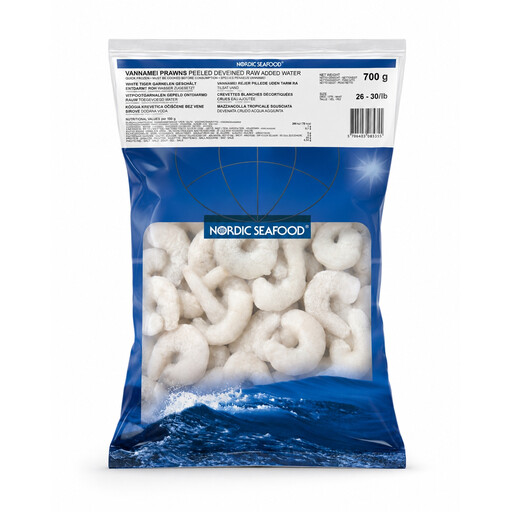
Why This Fits Their Persona: A practical pack for UK households cooking stir-fries, pasta, tacos, curries and fried rice without paying for whole prawns that require peeling.
The listed 700g pack is peeled and deveined, while individually frozen pieces allow more controlled portioning than a solid frozen block.
Raw medium prawns graded at 26–30 per pound; peeled, deveined and individually frozen for everyday cooking.

Why This Fits Their Persona: Suitable for hosts, barbecue enthusiasts and seafood lovers who want large whole prawns for presentation-led meals.
The 20–30 count per kilogram communicates the approximate individual size, and the IQF format makes it easier to remove only the required amount.
One-kilogram pack of raw Vannamei prawns; head-on and shell-on for grilling, curries, stir-fries and seafood platters.
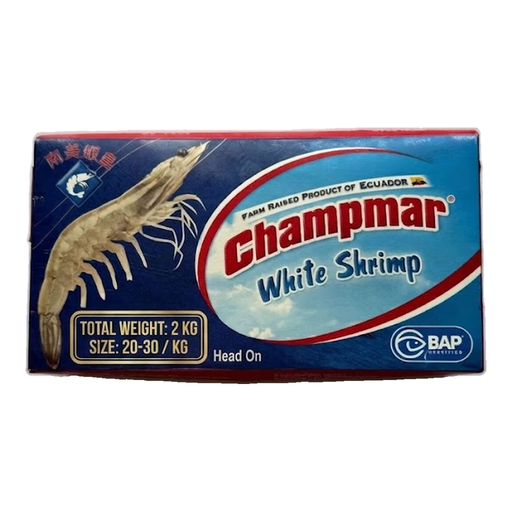
Why This Fits Their Persona: A larger-volume option for frequent seafood cooking, dinner parties, BBQs and households that use prawns across several meals.
The 2kg quantity is clearly stated, helping heavier users compare the cost and volume of a bulk pack rather than relying on promotional size wording.
Large 20–30/kg whole Vannamei prawns; suitable for BBQs, seafood platters, chilli prawns and shell-based stocks.
Follow the preparation directions printed on the packaging, as cooking times vary by size and whether the prawns are raw or cooked.
For raw prawns:
Cooked prawns should generally be thawed in the refrigerator, drained well and eaten within the stated time. Heat them gently and briefly rather than cooking them from the beginning of a recipe.
Keep frozen seafood at -18°C or below. Do not refreeze thawed prawns, and keep raw and ready-to-eat seafood separate during preparation.
We have compiled a complete, real-time list of products that fully satisfy these strict selection criteria and UK safety regulations.
Not always. Check whether the pack says raw or cooked. Raw prawns must be cooked thoroughly before eating, while cooked prawns can usually be thawed and served cold or warmed through briefly.
The unopened storage life depends on the product’s best-before information and continuous storage at -18°C or below. Once defrosted, follow the packaging instructions carefully. Many products should be refrigerated and consumed within 24 hours, while others specify up to two days.
Peeled raw prawns are convenient for stir-fries because there is no shell to remove while eating. Medium sizes such as 26–30/lb or 31–40/lb distribute well through noodles and vegetables. For more visual impact, whole 40–50/kg or 20–30/kg prawns can also be used, provided you are happy to peel them after cooking.