Gym-goers planning a convenient dinner
If you use a personal protein target, check grams per whole pack and how much of the pack you intend to eat. Then check the heating instructions against the time you have available.


Choose a frozen meal by the protein in the portion you will eat, rather than treating a “high protein” label or a larger pack as a fixed measure of protein. If it will be a regular meal, compare the rest of the nutrition panel and ingredients too; allergens, dietary warnings and cooking instructions can change which pack suits you.
If you use a personal protein target, check grams per whole pack and how much of the pack you intend to eat. Then check the heating instructions against the time you have available.
A larger pack gives you more food by weight, but its weight alone does not tell you how much protein it contains. Compare the protein figures for the portions you would actually eat.
Protein is only one part of a frequent meal choice. The NHS Eatwell Guide considers dietary balance across a day or week, so look at fibre, ingredients and the full nutrition panel alongside protein.
Start with the portion you expect to eat, then check whether the meal fits your usual eating pattern and any requirements shown on its label.
| Priority | What to check | Your needs |
|---|---|---|
| Protein per portion | Find protein in grams per 100g, per serving and per pack. Check how many servings the pack contains before comparing whole meals. | I want to know what the portion I will eat contributes to my own protein target, not rely on the front-of-pack wording. |
| Portion size | Compare pack weight with the stated number of servings. A pack-weight comparison is not a comparison of protein grams. | Will I eat the full pack or keep part of it for another meal? That changes which nutrition figures I need to use. |
| Regular meals | Read the full-pack figures for fibre, salt and saturated fat, and check the ingredients for vegetables, pulses or wholegrains where relevant. The NHS Eatwell Guide considers balance over a day or week. | If frozen meals are often my lunch or dinner, I want to assess more than the protein figure in each one. |
| Dietary fit and preparation | Read the current pack’s ingredients, allergen declaration and dietary warnings. Follow its freezer-storage and heating instructions. | I need to know whether this exact recipe fits my dietary restrictions and how to prepare it from frozen. |
The wording alone does not tell you the protein grams in the portion you will eat.
Compare the protein figure for the whole pack or stated serving, and check the serving count.
A protein figure does not describe the meal’s fibre, salt, saturated fat or mix of ingredients. NHS guidance considers dietary balance across a day or week.
Read the full nutrition panel and vary meals and ingredients where suitable.
Iceland warns that recipe changes can affect nutrition and allergen information. That matters when an ingredient or dietary warning determines whether you can eat a meal.
Check the exact current pack before eating and follow its storage and heating directions.
These ranges and listings offer different starting points for label comparisons; a retailer’s wider ready-meal or high-protein range does not establish that every product is frozen.
Iceland presents its Myprotein partnership as a range of meals that can be cooked from frozen.
Tesco has listed a High Protein Tandoori Chicken Masala 400g in its frozen-food range.
M&S Food has a frozen ready-meal range and separately markets a wider high-protein food range.
Waitrose’s High Protein Beef & Pork Meatballs illustrate a full-pack nutrition comparison, but this named meal is refrigerated, not frozen.
These Myprotein chicken-and-rice frozen meals are options for comparing protein-focused portions. Their pack details and dietary warnings matter alongside the protein figure.
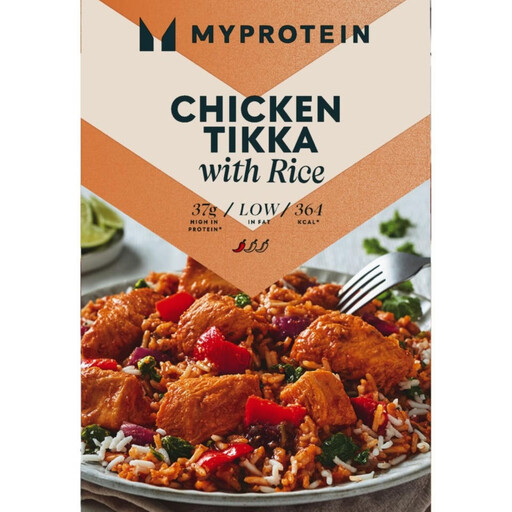 No image available
For a protein-focused meal cooked from frozen, Joybuy lists 37.4g protein per pack. Check the current pack for its milk and barley allergen declarations, low-potassium-diet warning and heating instructions.
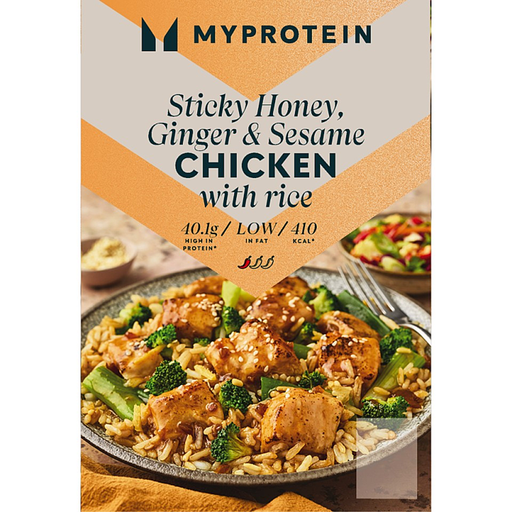 No image available
For a protein-focused chicken-and-rice meal, compare the whole-pack protein figure with the portion you plan to eat. Check the current pack for wheat, sesame, soya and barley declarations, its low-potassium-diet warning and heating instructions.
No. Read the protein figure for the whole pack or the serving you will eat, and check how many servings the pack contains. The wording on the front does not give every meal the same protein amount.
Compare fibre, salt, saturated fat and ingredients as well as protein. The NHS Eatwell Guide considers dietary balance over a day or week, so one protein-focused meal does not describe your overall eating pattern.
Read the ingredients, allergen declaration and warnings on the exact current pack before eating. The cited Myprotein frozen recipes differ in their listed allergens, and some carry a low-potassium-diet warning; Iceland notes that recipes and label information can change.
Follow that meal’s pack instructions rather than assuming one rule applies to every product. The Joybuy listing for Myprotein Meat Feast Pasta says not to refreeze it after thawing; the Food Standards Agency notes that thawing followed by storage at higher temperatures can allow surviving microorganisms to grow.