
24/7 Customer Support

Free returns

Same-day & Next-day Delivery

Quality Guaranteed

Unlock Your Welcome Offers: FREE Delivery | Up to 80% OFF | Free 30-day JoyPlus trial
Download the APP
Finding frozen raw Asian ingredients in the UK can make hot pots, stir-fries, curries and barbecue dishes much easier to prepare. However, attractive packaging and terms such as “premium”, “fresh” or “restaurant-style” do not always tell you what you need to know.
The practical choice depends on preparation, usable weight, storage instructions and the amount of kitchen work involved. Whether you are shopping for raw prawns, poultry cuts, raw seafood or staple ingredients, checking a few details before buying can help prevent waste.
A frozen pack may include shell, head, ice glaze or protective water. For example, head-on shell-on prawns provide flavour and presentation but require more preparation and produce less edible meat than peeled prawns. Some IQF prawn products also list both net weight and frozen weight, so compare the stated net quantity, not simply the largest number on the product page.
Not every ingredient works equally well with every cooking method. Large squid tubes are suited to stuffing, slicing or grilling, while duck feet and duck neck generally need longer braising or simmering to become tender. Peeled and deveined prawns are convenient for quick stir-fries, but head-on prawns can be more suitable for stocks, sauces and dishes where presentation matters.
Raw products still require thorough cooking. “Cleaned”, “pre-cut”, “peeled” and “IQF” describe preparation or freezing methods; they do not mean the food is cooked. Always follow the pack instructions, keep frozen food at the stated temperature, prevent cross-contamination and do not refreeze after thawing unless the label specifically says otherwise.
Start by deciding how much preparation you want to do:
Prawn sizing is commonly shown as a count range, such as 8–12 or 20–30 pieces per pound or kilogram. A lower count generally indicates larger pieces, but pack descriptions can use different grading conventions, so read the unit carefully.
For family meals, a 700g pack of medium or large peeled prawns may be convenient. For entertaining, a 1kg pack of head-on prawns or a large half-cut crab can create a more substantial centrepiece. For small households, IQF packs help reduce the need to thaw everything at once.
Read the ingredient declaration rather than relying on front-of-pack language. Prawns may include water, salt, stabilisers or protective ice glaze. Seafood allergens must be checked carefully: prawns and crab are crustaceans, squid and oyster meat are molluscs, and peanuts must be avoided by anyone with a peanut allergy.
Keep frozen products at -18°C or below where specified, defrost in a refrigerator when instructed, and use the product within the recommended period after thawing. Packaging and label directions take priority over general guidance.
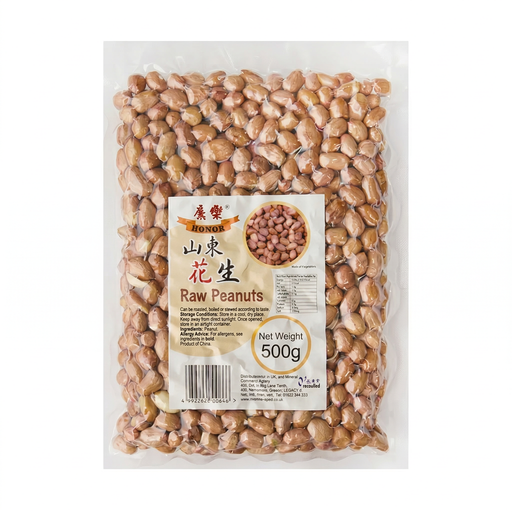
Why This Fits Their Persona: A straightforward staple for shoppers building an Asian cooking ingredients cupboard. Use it in soups, congee, peanut sauces or baking without committing to a specialist seafood purchase.
The pack states that these are raw peanuts and must be cooked, avoiding confusion between a cooking ingredient and a ready-to-eat product.
500g family-sized pack; 100% peanuts; suitable for boiling, roasting or frying.

Why This Fits Their Persona: Designed for a seafood-led meal, this half-cut blue swimming crab suits curry, stew and stir-fry recipes where shell-on cooking adds visual appeal.
The product is described as half-cut, cleaned and de-gilled, so the preparation format is clear before purchase.
1kg gross pack; U10 large-size grading; raw crab ingredient listed as 100% crustacean.
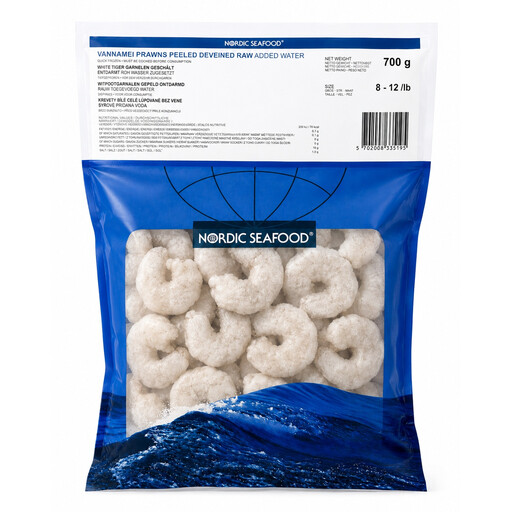
Why This Fits Their Persona: A practical choice for households that regularly cook curries, noodle soups, stir-fries or barbecue skewers and want larger prawns with less preparation.
The product format, 8–12/lb size and 700g pack are stated clearly, while the description confirms that it is raw and must be cooked.
Peeled and deveined; individually frozen; suitable for family meals, grilling and quick cooking.
We have compiled a complete, real-time list of products that fully satisfy these strict selection criteria and UK safety regulations.
For fast weeknight meals, keep peeled frozen prawns and chicken hearts available for stir-fries with ginger, garlic, spring onion and vegetables. Raw chicken wings and duck wings work well with marinades before roasting or braising. Duck tongue, duck gizzard and duck neck are suited to spiced braises or snack-style dishes, while duck feet can be simmered in soups and hot pots until tender.
For seafood variety, oyster meat can be added to porridge, soups or stir-fries. Head-on prawns, crab and squid can support a shared barbecue or hot-pot meal. When using IQF seafood, take out only the quantity required and keep the remaining product frozen.
Yes, many are suitable, including raw prawns, squid tubes, oyster meat, chicken hearts, duck feet and duck wings. Add raw ingredients in batches and cook them fully in the broth. Follow the product’s defrosting and cooking instructions, particularly for thicker poultry cuts.
Storage time varies by product and the best-before information on the packaging. Keep products at the specified freezer temperature, commonly -18°C or below, and avoid refreezing after thawing. Once defrosted, refrigerate and consume within the period stated on the label.
IQF seafood can be useful when you cook for one or two people, prepare meals in stages or want precise portions. It may reduce waste because you can remove only what you need. Still, compare net weight, glaze percentage, preparation level and ingredient information before deciding which pack offers suitable value.